

Ford has started production of lithium iron phosphate (LFP) prismatic battery cells at its BlueOval Battery Park Michigan facility in Marshall, marking the company’s entry into commercial-scale battery cell manufacturing. The first cells are coming off the production line and will be shipped to Louisville, Kentucky, to power prototypes of Ford’s Fathom electric trucks.
The development marks an important step in Ford’s strategy to expand its battery manufacturing capabilities in the United States. The company is producing LFP prismatic cells at a facility it owns and operates, using advanced manufacturing equipment designed to support large-scale production.
LFP Batteries to Support Affordable Electric Trucks
The batteries manufactured at BlueOval Battery Park Michigan will support Ford’s efforts to improve the affordability of electric trucks. The initial production is focused on supplying cells for Fathom truck prototypes, with the company highlighting that the first shipments are being delivered on schedule.
LFP battery technology is increasingly being adopted in electric vehicles because of its potential to support cost-effective battery production. Ford’s new manufacturing operation is expected to strengthen its control over battery technology and supply.
Ford Prepares for BESS Manufacturing in Kentucky
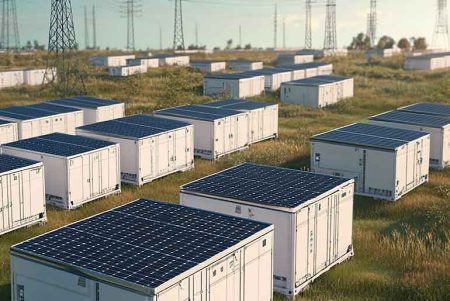
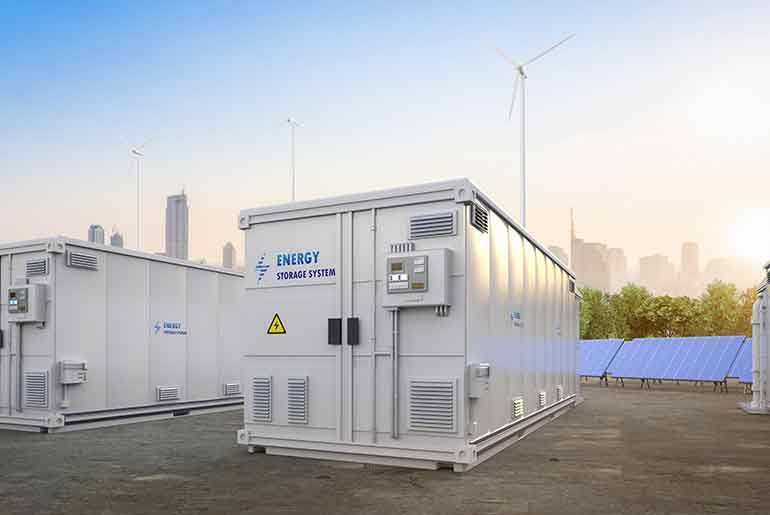
Alongside electric vehicle batteries, Ford is preparing to expand into battery energy storage system (BESS) manufacturing through Ford Energy Systems in Glendale, Kentucky. The company plans to begin the facility’s operations in 2027.
According to Dave Carroll, President of Ford Energy, the Glendale facility will be a mile-long gigafactory equipped with advanced manufacturing technologies. The plant will use artificial intelligence-powered image recognition, machine learning and predictive analytics to support production quality and identify manufacturing defects.
Ford aims to achieve high manufacturing quality standards, with a focus on detecting anomalies at extremely low levels.
Focus on US Energy Infrastructure and Domestic Manufacturing
Ford’s planned BESS production is intended to address the growing need for energy storage in the United States. Battery energy storage systems can help support electricity infrastructure by storing energy and supplying it when required.
The company also stated that its production plans are aligned with Investment Tax Credit requirements and domestic content standards. Ford is leveraging more than 120 years of American manufacturing experience as it expands its operations from electric vehicle battery cells into stationary energy storage.
The start of LFP battery production in Michigan is expected to provide manufacturing experience and operational learnings ahead of the planned 2027 launch of Ford Energy Systems in Kentucky. Together, the two facilities represent Ford’s expanding role in both electric vehicle battery manufacturing and the battery energy storage market.
 Electrify your feed! Click here to join our Whatsapp group and to get the latest updates, expert insights, and innovations driving India’s energy storage revolution.