

Marine battery manufacturer AYK Energy has secured a 165 MWh battery supply contract for three fully electric high-speed catamaran ferries being built for Danish ferry operator Molslinjen. The deal marks the largest marine battery contract in the ferry sector, with the vessels being constructed by Incat Tasmania.
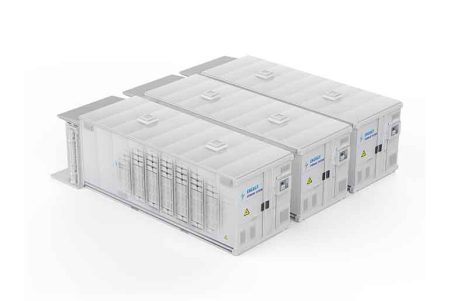
The three ferries will each feature a 55 MWh Polaris battery system supplied by AYK Energy. The batteries will be integrated into the vessels’ electric propulsion systems by Wärtsilä, which is also responsible for delivering the propulsion system and waterjets.
The contract was awarded after AYK significantly reduced the weight of its battery systems, bringing the combined battery weight down from more than 700 tonnes to under 400 tonnes while maintaining power and energy performance. The weight reduction was a key factor in securing the contract, as the vessels are designed for high-speed operation.
Key Specifications of the Electric Ferries
-
Total battery capacity: 165 MWh across three vessels
-
Battery capacity per vessel: 55 MWh
-
Maximum speed: Up to 40 knots
-
Charging time: Approximately 30 minutes for high-capacity charging
-
Passenger capacity: Up to 1,500 passengers per vessel
-
Vehicle capacity: Up to 500 cars per vessel
-
Battery technology: DNV type-approved Polaris battery systems
-
Routes: Ferry services between Jutland and Zealand, Denmark
The vessels are expected to become flagship projects for zero-emission passenger transport. Once delivered, they will be among Europe’s largest electric ferries.
Delivery and Operational Timeline
The first catamaran is expected to arrive in Denmark in late 2027 and enter service in the first quarter of 2028. The remaining two vessels are scheduled to arrive in 2028 and 2029, respectively.
Battery Weight Reduction and Technology Development
AYK Energy redesigned its battery systems to reduce weight and improve performance, using new battery cells, manufacturing techniques inspired by the automotive industry and a lighter aluminium structure. The updated design aims to increase energy storage per kilogram while delivering the power required for high-speed ferry operations.
The company has also incorporated marine-specific safety features, including patented fire suppression systems and technologies designed to limit overheating within battery modules. AYK said its safety-first approach was a key consideration in developing lithium iron phosphate (LFP) battery technology for marine applications.
Molslinjen CEO Carsten Jensen said the reduced battery weight without compromising power was decisive in selecting AYK, given the importance of vessel weight to high-speed operations across the Kattegat.
Expanding Marine Battery Portfolio
The contract adds to AYK Energy’s growing presence in the maritime battery market, with the company supplying battery systems for bulk carriers, cruise ships, icebreakers, ferries and workboats.
Recent projects include battery supply for Germany’s polar research vessel Polarstern, two 12 MWh Orion+ battery systems for Brittany Ferries’ hybrid-electric vessels Guillaume de Normandie and Saint-Malo, and a 6 MWh battery for Svitzer’s battery-methanol tug.
The latest order highlights the increasing role of high-capacity battery systems in marine electrification, particularly as operators seek to reduce emissions while maintaining vessel speed, passenger capacity and operational performance.
 Electrify your feed! Click here to join our Whatsapp group and to get the latest updates, expert insights, and innovations driving India’s energy storage revolution.