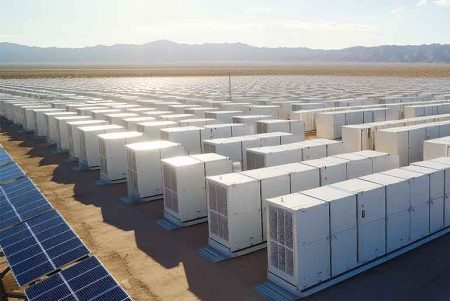

In line with the vision of Hon’ble Prime Minister Shri Narendra Modi to make GST a truly “Good and Simple Tax” that strengthens every sector of the economy, the renewable energy sector has received a major impetus under the latest GST reforms approved by the GST Council in its 56th meeting held on 3rd September 2025.
The rationalization of GST rates across the renewable energy value chain from 12% to 5% will bring down the cost of clean energy projects, making electricity more affordable and directly benefiting households, farmers, industries, and developers. For instance, the capital cost of a utility-scale solar project, which typically amounts to around ₹3.5–4 crore per MW, will now see savings of ₹20–25 lakh per MW. At the scale of a 500 MW solar park, this translates into project cost reductions of over ₹100 crore, significantly improving tariff competitiveness.
Lower Costs and Greater Competitiveness
The reduction in GST is expected to lower levelized renewable tariffs, easing the financial burden of electricity procurement for distribution companies (DISCOMs). This could translate into nationwide annual savings of ₹2,000–3,000 crore in power procurement costs. End consumers will benefit from greater access to affordable clean electricity, reinforcing the long-term sustainability of India’s power sector.
Benefits to Households, Farmers, and Rural Communities
The reform will make rooftop solar systems more affordable for households. A typical 3 kW rooftop system will now be cheaper by about ₹9,000–10,500, making it easier for lakhs of families to adopt solar energy and accelerating large-scale uptake under the PM Surya Ghar: Muft Bijli Yojana.
Farmers under the PM-KUSUM scheme will also benefit significantly. A 5 HP solar pump, costing about ₹2.5 lakh, will now be cheaper by nearly ₹17,500. At the scale of 10 lakh solar pumps, farmers collectively stand to save ₹1,750 crore, making irrigation more affordable and sustainable.
Rural and underserved regions will also gain from cheaper decentralized solutions such as mini-grids, livelihood applications, and solar water pumps. The shorter payback periods and improved returns will empower schools, health centers, and small businesses with clean and reliable energy access.
Boost to Domestic Manufacturing and Self-Reliance
Lower GST will enhance the competitiveness of Indian-made renewable energy equipment by reducing module and component costs by 3–4%, supporting the Make in India and Aatmanirbhar Bharat initiatives. With India targeting 100 GW of solar manufacturing capacity by 2030, the reform will encourage fresh investment into domestic manufacturing hubs. Considering that every GW of manufacturing creates about 5,000 jobs, the reform could support 5–7 lakh direct and indirect jobs over the next decade, strengthening India’s clean energy industrial ecosystem.
Accelerating India’s Energy Transition
The GST cut will not only reduce the levelized cost of energy but also boost investor confidence, enabling faster signing of PPAs and quicker project commissioning. Given that India plans to add around 300 GW of renewable energy capacity by 2030, even a modest 2–3% cost reduction can free up ₹1–1.5 lakh crore in investment capacity. Each GW of solar saves about 1.3 million tonnes of CO₂ annually; faster deployment enabled by GST rationalization could therefore avoid an additional 50–70 million tonnes of CO₂ emissions per year by 2030.
By making renewable energy more affordable and accessible, this reform aligns with India’s international commitments under the Paris Agreement while advancing the nation’s target of 500 GW of non-fossil fuel capacity by 2030. It firmly positions India as a leader in the global fight against climate change.
The revised GST rates will come into effect from 22nd September 2025. This landmark decision will directly benefit millions of consumers, farmers, developers, and manufacturers, while contributing to the twin goals of green growth and energy independence. It underscores the Government’s commitment to ensuring that clean, affordable, and sustainable energy becomes the foundation of India’s journey towards Viksit Bharat.
 Electrify your feed! Click here to join our Whatsapp group and to get the latest updates, expert insights, and innovations driving India’s energy storage revolution.