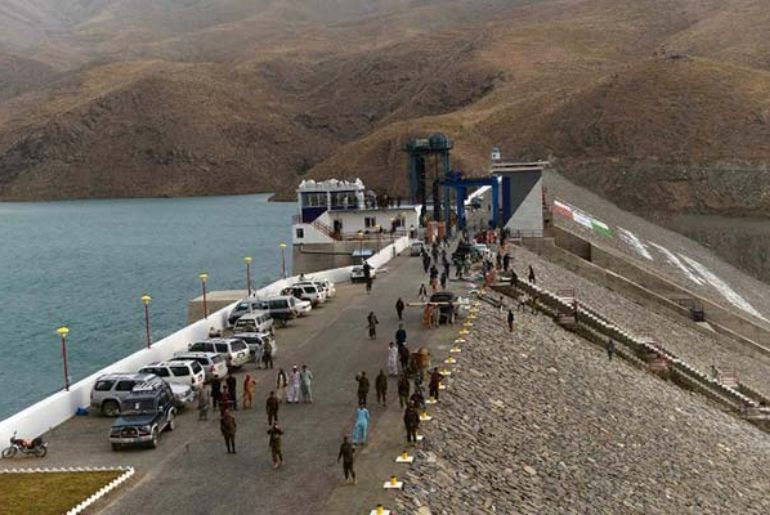
The Public Investment Board (PIB) has approved a landmark ₹26,000 crore Kamala Hydroelectric Project in Arunachal Pradesh, marking a significant step in India’s renewable energy expansion. The project, with a total capacity of 1,720 MW, aims to strengthen the state’s hydroelectric infrastructure and support the national clean energy agenda. The approval signals strong government commitment to boosting renewable power generation in the northeastern region.
Project Details and Scope
The Kamala hydel project will be implemented with large-scale hydroelectric infrastructure, focusing on high-capacity power generation. The investment includes construction of dams, powerhouses, and associated civil and electrical works. The project is expected to create substantial employment opportunities, while also contributing to local economic growth and energy security. Officials highlight that this investment aligns with India’s broader goals of increasing renewable power capacity and meeting rising electricity demand sustainably.
Strategic Importance and Renewable Goals
Arunachal Pradesh, endowed with abundant river systems, has emerged as a key hub for hydropower development in India. The Kamala project will not only provide clean electricity to the national grid but also support India’s net-zero emissions and renewable energy targets. By leveraging hydropower, the government seeks to diversify the energy mix, reduce dependency on fossil fuels, and ensure long-term grid stability.
Government Support and Implementation
The approval by the PIB underscores strong policy backing for large-scale renewable projects in India’s northeast. The project is expected to follow strict environmental, safety, and technical standards. Authorities note that efficient project execution and adherence to timelines will be critical to realizing the full benefits of this multi-thousand-crore investment.
Once operational, the Kamala Hydroelectric Project is anticipated to deliver sustainable power for millions, drive local development, and reinforce India’s position as a leader in clean energy generation. It also demonstrates the government’s proactive approach to strengthening renewable energy infrastructure while fostering regional growth and energy self-reliance.
 Electrify your feed! Click here to join our Whatsapp group and to get the latest updates, expert insights, and innovations driving India’s energy storage revolution.