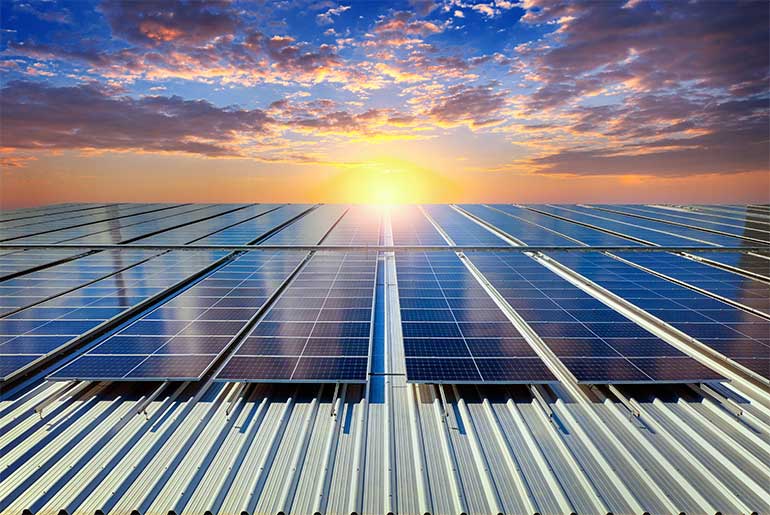
The Centre’s PM Surya Ghar: Muft Bijli Yojana (PMSG: MBY) is making rooftop solar (RTS) systems more accessible to middle-income and economically weaker households by combining central financial assistance, low-interest financing, and alternative deployment models.
Under the scheme, the government has increased central financial assistance for the installation of rooftop solar systems for the first two kilowatt (kWp) of capacity. The move is aimed at reducing the upfront cost burden for households looking to adopt residential solar power and encouraging wider deployment of distributed renewable energy systems.
The scheme also provides access to collateral-free loans through nationalised banks at a concessional interest rate linked to the Reserve Bank of India’s repo rate. At present, eligible consumers can avail of loans at 5.75% per annum, equivalent to the repo rate plus 50 basis points. The loans come with a repayment tenure of up to 10 years, helping households spread the cost of rooftop solar installation over a longer period.
In addition to subsidies and financing support, the government has included Renewable Energy Service Company (RESCO) and Utility-Led Aggregation (ULA) models under the scheme. These models are expected to provide consumers with additional ways to adopt rooftop solar systems while lowering the need for significant upfront investment.
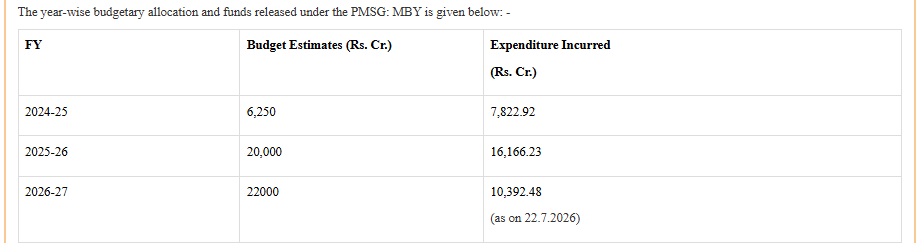
The measures are part of the government’s broader efforts to accelerate rooftop solar deployment across the country and enable households to generate a greater share of their electricity from renewable sources.
According to the Ministry of New and Renewable Energy (MNRE), a total of 39,72,447 rooftop solar systems had been installed under the scheme as of July 22, 2026, benefiting 48,02,717 households across the country.
The growing adoption of rooftop solar is also translating into lower electricity bills for participating consumers. The government said that electricity bills have been largely reduced for households that have installed rooftop solar systems under the scheme.
Moreover, more than 18.93 lakh households have reported achieving zero electricity bills for some months, depending on their electricity consumption and the amount of power generated and consumed through their rooftop solar installations.
The zero-bill benefit highlights the potential of distributed solar generation to reduce household electricity expenses while supporting India’s transition towards cleaner energy. However, the extent of savings can vary based on factors such as a household’s electricity consumption, rooftop solar capacity, solar generation, and self-consumption patterns.
The latest figures were shared by Union Minister of State for New and Renewable Energy Shripad Yesso Naik in a written reply to a question in the Rajya Sabha.
The PM Surya Ghar scheme is aimed at expanding residential rooftop solar adoption and enabling households to participate more actively in India’s renewable energy transition. With financial assistance, concessional financing and alternative business models, the scheme seeks to address some of the key barriers to rooftop solar adoption, including high initial installation costs and access to affordable credit.
 Electrify your feed! Click here to join our Whatsapp group and to get the latest updates, expert insights, and innovations driving India’s energy storage revolution.