

The Rajasthan government has made land-use conversion approval mandatory for renewable energy developers seeking to establish projects on agricultural land in rural areas, introducing a new regulatory requirement for clean energy project development in the state.
The requirement has been introduced under the Rajasthan Land Revenue (Use of Agricultural Land for Non-agricultural Purposes in Rural Areas) Rules, 2026, notified by the state Revenue Department. The revised rules replace the previous provisions governing agricultural land conversion in rural areas.
Renewable Energy Projects Covered
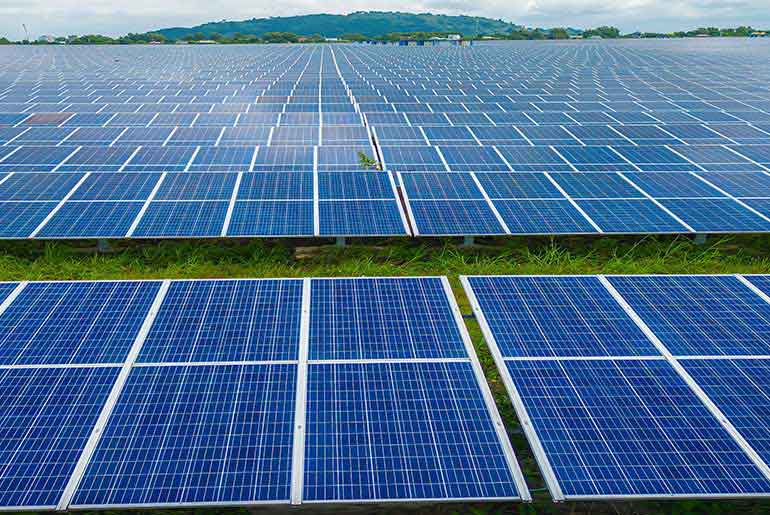
The revised regulations cover a broad range of clean energy infrastructure, including solar farms and power plants, wind farms, biomass-based power plants, biomass gasifiers, biogas and bio-CNG/compressed biogas projects.
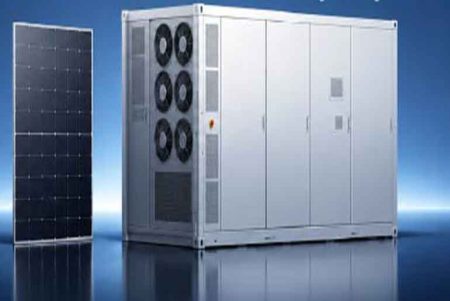
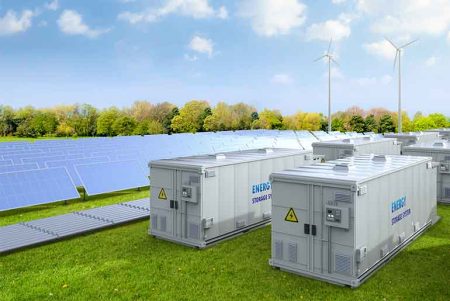
The provisions also extend to hydropower projects, pumped storage projects, battery energy storage systems (BESS) and pooling substations associated with renewable energy projects.
Under the earlier provisions, developers could establish solar and other renewable energy projects on agricultural land without obtaining formal land-use conversion permission.
Online Application and Approval Process
Under the revised procedure, landowners intending to use agricultural land for renewable energy projects must submit an online application to the concerned sub-divisional officer, along with the prescribed documents and land details.
The conversion approval will be processed online after submission of a complete application and payment of the applicable self-assessed premium. The application will subsequently undergo verification by the relevant authorities.
Penalties for Unauthorised Land Use
The new rules also introduce stricter penalties for the unauthorised use of agricultural land for non-agricultural purposes.
Violations may attract fines of up to four times the applicable land conversion premium, increasing the regulatory requirements for renewable energy developers and landowners undertaking clean energy projects in rural Rajasthan.
 Electrify your feed! Click here to join our Whatsapp group and to get the latest updates, expert insights, and innovations driving India’s energy storage revolution.