Singapore is well-positioned to become a green power hub, serving as a central node for regional interconnections with cross-border neighboring nations. Importing electricity through the regional grid presents a cost-effective solution for the island nation and could result in emissions reductions of up to 13 million tons of carbon dioxide equivalent (CO₂e) per year if all projects are realized. Beyond the clear decarbonization potential, this approach would also enhance Singapore’s energy resilience by providing access to a more diversified and cleaner energy supply, supporting the country’s long-term sustainability goals.
“Singapore stands to benefit the most from Southeast Asia’s emerging regional grid, but realizing these gains will require coordinated, win-win cooperation with supplier countries, many of which may see limited direct advantage in linking up with another market. By leveraging its financial strength and reputation as a reliable business partner, Singapore can help unlock capital for large-scale infrastructure in neighboring nations, where land is more abundant but power demand is less concentrated.”
“As recent blackouts in the Iberian Peninsula have shown, grid resilience must also be a key priority. Weak interconnections and insufficient grid-connected storage are common contributors to major outages. Singapore can address both vulnerabilities by deepening regional integration and tapping into neighboring renewable resources, helping scale a resilient regional grid and strengthening energy security.”
– Raksit Pattanapitoon, Lead Renewables & Power Analyst (APAC), Rystad Energy.
Singapore relies heavily on natural gas for power generation, with gas currently accounting for 96% of its power mix. To ensure a reliable electricity supply, the country has traditionally used combined-cycle gas turbine (CCGT) plants that operate in two stages: natural gas is first burned to generate electricity, and the resulting hot exhaust is then used to produce steam that drives a secondary turbine.
While CCGT plants offer strong reliability and competitive economics, analysis from Rystad Energy comparing the levelized cost of electricity (LCOE) reveals that electricity imports via ASEAN interconnectors may offer a more cost-effective alternative to building new domestic CCGT capacity.
Singapore’s Electricity Market Authority (EMA) plays a key role in securing a reliable supply of imported low-carbon electricity. Its current framework requires projects to achieve an annual load factor of at least 60% within five years of commercial operation, ensuring a steady and dependable power supply for the nation. While developers naturally aim to meet this minimum, there is a strong economic incentive to exceed it. Raising the load factor target from 60% to 100% can substantially lower the overall LCOE by spreading transmission costs more effectively and unlocking capital expenditure efficiencies through economies of scale.
This impact is particularly significant in countries such as Malaysia (Sarawak), Cambodia, and Vietnam, where long transmission distances amplify cost optimization benefits. Hydropower projects, in particular, benefit from these scaling effects, resulting in even greater cost reductions.
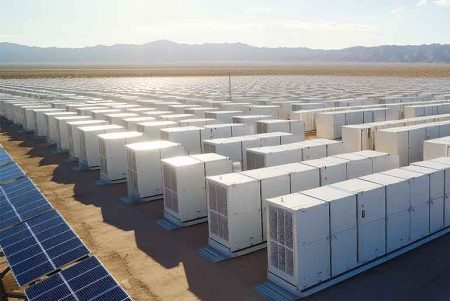
Solar-plus-storage hybrid systems, with optimized direct current/alternating current (DC/AC) configurations and appropriately sized battery energy storage systems (BESS), can already achieve load factors above 90%, both technically and economically. By integrating solar and BESS technologies with the necessary backups, these systems can reach the level of reliability required by Singapore’s EMA and could be comparable to other dispatchable energy sources.
“Current cost analyses indicate these hybrid systems could deliver lower LCOEs than many in the industry currently anticipate. Singapore, strategically positioned at the heart of this evolving energy system, stands to gain significantly. As it engages in discussions with its neighbors, the country must proactively identify and secure unique advantages to maximize shared value in the potential establishment of a regional power grid.”
– Nevi Cahya Winofa, Analyst, Renewables & Power Research, Rystad Energy.
 Electrify your feed! Click here to join our Whatsapp group and to get the latest updates, expert insights, and innovations driving India’s energy storage revolution.