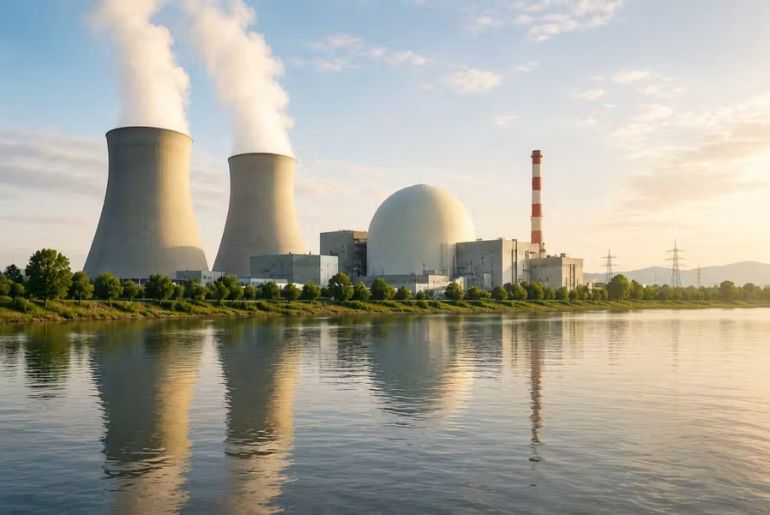
Adani Group has announced its entry into the nuclear power sector, marking a significant expansion of its clean energy portfolio. The group plans to develop up to 10 GW of nuclear energy capacity by 2035 as part of its long-term strategy to strengthen India’s energy security and support the transition toward low-carbon power generation.
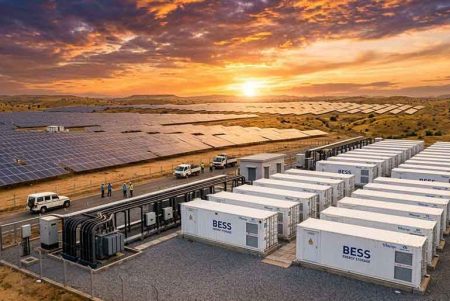
The move signals a major diversification for Adani Group, which has already built a strong presence in renewable energy through large-scale solar and wind projects. By entering nuclear energy, the company is positioning itself in one of the most stable and high-output clean energy segments, capable of delivering continuous baseload power unlike variable renewable sources.
According to the plan, nuclear energy will complement the group’s existing clean energy assets and help meet rising electricity demand driven by industrial growth, urbanization, and electrification. The initiative also aligns with India’s broader decarbonization goals, where nuclear power is expected to play an increasing role alongside solar, wind, and hydro energy in reducing dependence on fossil fuels.
The 10 GW target by 2035 reflects a long-term investment horizon, as nuclear projects typically require extended planning, regulatory approvals, and high capital expenditure. The expansion is expected to involve collaboration with technology providers and adherence to strict safety and regulatory frameworks governing nuclear energy development.
Industry observers view this entry as a strategic shift that could reshape India’s private sector participation in nuclear energy, a domain historically dominated by state-led entities. If successfully executed, the initiative could significantly enhance firm, round-the-clock clean energy capacity in India’s power mix.
Overall, Adani Group’s foray into nuclear energy highlights the growing momentum among large infrastructure players to diversify into next-generation energy technologies and strengthen India’s long-term energy security and sustainability goals.
 Electrify your feed! Click here to join our Whatsapp group and to get the latest updates, expert insights, and innovations driving India’s energy storage revolution.