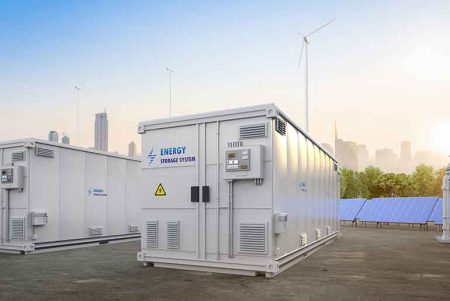


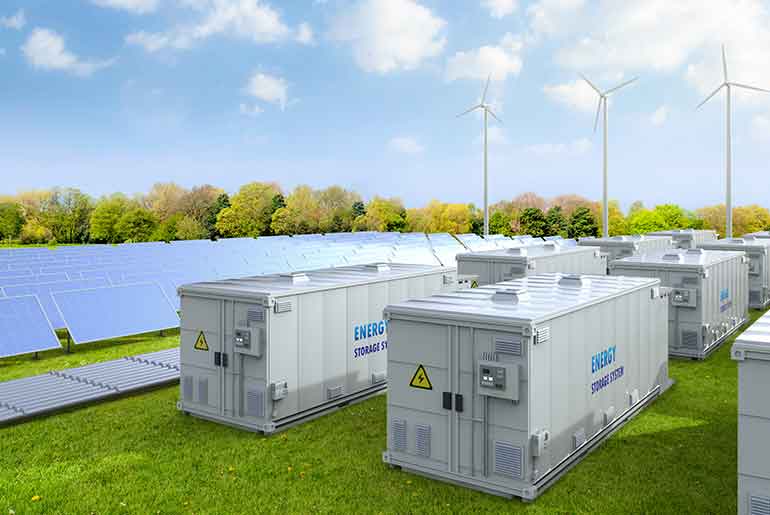
Bihar is targeting 6.1 GWh of energy storage capacity by 2030 under its Renewable Energy Policy as the state looks to expand Battery Energy Storage Systems (BESS) to store surplus solar power generated during the day and utilise it during evening and night-time peak demand.
The state has also set a target of developing 24 GW of renewable energy capacity by 2030. Battery storage is expected to play an important role in balancing electricity demand and supply, reducing dependence on expensive power purchases and improving the affordability of electricity for consumers.
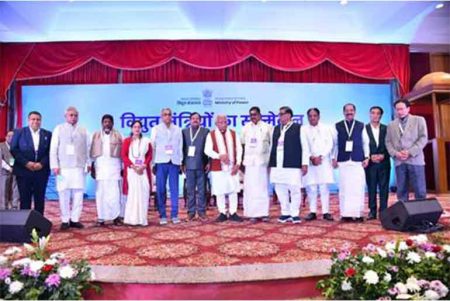
Speaking at a two-day national training programme on Battery Energy Storage Systems for power utility officials in Patna, Bihar Energy Secretary and Bihar State Power Holding Company Limited (BSPHCL) Chairman and Managing Director Ajay Yadav highlighted the growing importance of energy storage in managing the state’s electricity demand.
He said Bihar’s electricity demand could reach approximately 11,000 MW in the coming years. Although the state has adequate electricity availability, managing peak-hour demand and ensuring affordable power supply remain key challenges. Energy storage systems can help address these requirements by shifting surplus daytime solar generation to periods of higher electricity consumption.
BESS Installation Faster Than Pumped Storage Projects
Bihar has pumped storage projects with a combined capacity of approximately 8,400 MW at different stages of development. However, these projects could take five to six years to complete.
In comparison, container-based Battery Energy Storage Systems can be installed within 12–15 months, allowing the state to expand its storage infrastructure more quickly and respond to changing electricity demand.
This shorter implementation timeline makes BESS an important option for Bihar as it works towards achieving its 2030 renewable energy and storage targets.
Bihar Advances Multiple Battery Storage Projects
Bihar is developing several battery storage projects to strengthen its energy infrastructure and support renewable energy integration.
The key projects and planned capacities include:
- Kajra Solar and BESS Project: The project combines 301 MW of solar power generation capacity with 523 MWh of battery storage. Its first phase has become operational, while the process for the third phase, involving a 500 MWh BESS, is underway.
- NTPC Barauni Project: NTPC is developing a 1,000 MWh battery energy storage system at Barauni.
- Grid Substation Projects: BESS projects with a combined capacity of 500 MWh are under process at grid substations.
- Upcoming Storage Projects: Another 1,500 MWh of battery storage capacity is at the planning stage.
- Power Substation Projects: Bihar is also planning to install an additional 500 MWh of battery storage capacity at various power substations.
These developments are expected to help Bihar store excess renewable electricity during periods of high solar generation and supply it during evening peak hours.
India-Germany Cooperation Supports BESS Training
The two-day national training programme is being organised under the India-Germany Development Cooperation’s StoREin Project, with support from the Ministry of New and Renewable Energy (MNRE). The Energy and Resources Institute (TERI) is serving as the Knowledge Partner.
Officials from Bihar Renewable Energy Development Agency (BREDA), BSPHCL, Bihar State Power Generation Company Limited (BSPGCL), Bihar State Power Transmission Company Limited (BSPTCL), North Bihar Power Distribution Company Limited (NBPDCL) and South Bihar Power Distribution Company Limited (SBPDCL) are participating in the programme.
The training covers energy storage technologies, battery applications, policy and regulatory frameworks, project implementation, inverter technology and safety standards. Experts from the Central Electricity Authority (CEA), TERI, India Energy Storage Alliance (IESA), GIZ, UL Solutions and other institutions are conducting the sessions.
With a 6.1 GWh energy storage target by 2030 and multiple BESS projects at different stages of development, Bihar is looking to strengthen its ability to integrate renewable energy, manage peak electricity demand and improve the reliability of power supply.
 Electrify your feed! Click here to join our Whatsapp group and to get the latest updates, expert insights, and innovations driving India’s energy storage revolution.