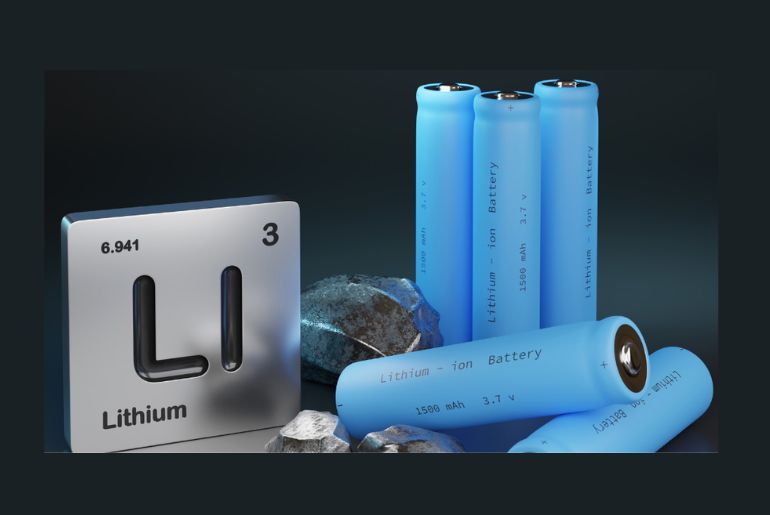
The Bureau of Indian Standards (BIS) has made it a rule that portable sealed secondary lithium cells and batteries used in India must have their rated capacity checked. The new rules say that all of these batteries must be tested at 20°C to see how much power they can actually give off. This is to make sure that their performance matches what the manufacturer says it can do.
Guidelines for Existing Licensees
- The guidelines are in response to an order from the Ministry of Electronics and Information Technology (MeitY).
- Purpose: Ensure proper testing of lithium batteries and verify accurate capacity claims.
- Applicability: Manufacturers with BIS registration licenses valid until April 30, 2027, must:
- Submit test reports from a BIS-recognised third-party laboratory.
- Confirm compliance by April 30, 2027.
- For licenses valid beyond April 30, 2027, compliance must be shown by the licence expiry date.
Testing procedure:
- Manufacturers must submit requests through the BIS Laboratory Information Management System.
- Complete the online application under the Standard Revision/Amendment/Essential Requirement module.
Consequences of non-compliance:
- Suspension or cancellation of the manufacturer’s licence.
- Deletion of non-compliant models from the approved scope of the licence.
Provisions for New Applicants
For new or pending licence applications where samples have already been submitted to labs or test reports issued, the applications may continue processing without additional testing. However, after April 30, 2027, no new licence will be granted unless the battery’s rated capacity test results are included in the test report issued by a BIS-recognised third‑party laboratory. Applicants with pending licences must provide a written undertaking to submit the required rated capacity test report before their licence expires.
The guidelines also state that applications seeking a change in the scope of an existing licence will be subject to the same compliance requirements as new applicants.
The new BIS rules are meant to protect consumers, improve transparency, and make sure that lithium battery capacities advertised by manufacturers match the actual performance.
 Electrify your feed! Click here to join our Whatsapp group and to get the latest updates, expert insights, and innovations driving India’s energy storage revolution.