Egypt is moving ahead with an ambitious renewable energy expansion plan, advancing 105 clean energy projects aimed at strengthening grid stability and accelerating the country’s transition toward a sustainable power system. The initiatives form a key part of Egypt’s national energy strategy, which targets a significant increase in the share of renewable energy in the national electricity mix over the coming years.
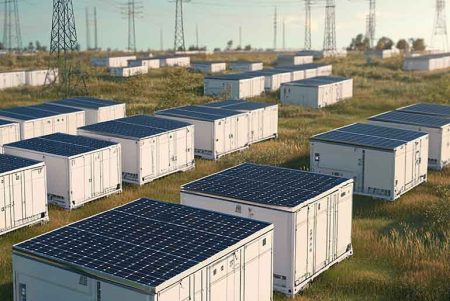
The projects include a combination of large-scale solar photovoltaic developments, wind energy installations, and battery energy storage systems (BESS), all designed to enhance the reliability and flexibility of the national grid. By integrating storage solutions with renewable generation, Egypt aims to address the intermittent nature of solar and wind power while ensuring consistent electricity supply across the country.
According to updates shared by the Ministry of Electricity and Renewable Energy, the second phase of the national renewable energy program includes approximately 105 projects that are currently in various stages of development and implementation. These projects are expected to contribute significantly to Egypt’s target of achieving 45% renewable energy share within the next two years.
A key highlight of the ongoing transition is the development of large integrated renewable energy complexes. One such flagship initiative is the Obelisk solar power project, which has already seen the commissioning of its first phase with 500 MW of solar capacity and a 200 MWh battery storage system. The second phase of the project, also with 500 MW capacity, is expected to be connected to the national grid in the near future, further boosting clean energy output.
Another major development is the Energy Valley project, which represents one of Egypt’s largest renewable energy and storage clusters. The project includes 1.7 GW of photovoltaic solar capacity supported by 4 GWh of battery storage systems distributed across multiple regions, including Minya, Qena, and Alexandria. This large-scale integration of storage is expected to play a crucial role in balancing supply and demand on the national grid.
Government officials have emphasized the importance of coordinated efforts between public institutions and private sector partners to ensure timely execution of these projects. The focus remains on improving electricity supply reliability, reducing dependence on conventional fuels, and enhancing the overall efficiency of the power system.
Egypt’s leadership has also highlighted the need to use innovative financing models, including local currency funding, to support renewable energy and storage investments. This approach is expected to improve economic returns while reducing financial risks associated with foreign currency fluctuations.
 Electrify your feed! Click here to join our Whatsapp group and to get the latest updates, expert insights, and innovations driving India’s energy storage revolution.