
Tamil Nadu has unveiled a comprehensive clean energy roadmap in its 2026 State Budget, announcing an additional state subsidy of up to ₹1 lakh for residential rooftop solar installations under the PM Surya Ghar: Muft Bijli Yojana while outlining major investments in Battery Energy Storage Systems (BESS), transmission infrastructure and power distribution upgrades. The state has earmarked ₹50 crore to support rooftop solar adoption, with the subsidy being offered over and above the financial assistance available under the Centre’s flagship rooftop solar programme.
The announcement comes as Tamil Nadu looks to accelerate residential solar adoption despite being one of India’s renewable energy leaders. As of July 2026, the state had an installed rooftop solar capacity of 316 MW, supported by 87,039 rooftop solar installations across 1,03,004 households. The additional state incentive is expected to improve consumer participation and strengthen distributed renewable energy generation across the state.
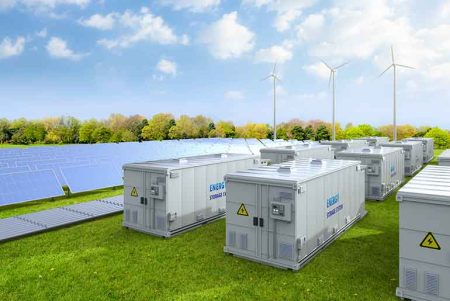
Beyond rooftop solar, the Budget places significant emphasis on creating the enabling infrastructure required for large-scale renewable energy integration. The government announced that it will introduce a Battery Energy Storage Systems (BESS) Promotion Policy to encourage private investment in energy storage, recognising the growing importance of storage technologies in balancing renewable generation and improving grid reliability.
The Budget also proposes the rollout of smart meters for all electricity consumers in Chennai and nearly 50 lakh industrial and commercial consumers across the rest of Tamil Nadu, supporting improved energy management and distribution efficiency.
Transmission infrastructure has also received a major boost. The government will implement Phase II of the Green Energy Corridor Project with an investment of ₹1,187 crore, strengthening renewable energy evacuation from southern Tamil Nadu. In addition, 178 new substations will be constructed at an investment of ₹1,543 crore, while 40,000 ageing transformers will be replaced in phases with an allocation of ₹2,000 crore to modernise the state’s electricity distribution network.
To strengthen transmission capacity, the Budget has allocated ₹4,000 crore for a transmission corridor connecting Coimbatore and Ariyalur, along with another ₹1,640 crore for a transmission line between Virudhunagar and Coimbatore. The government also reaffirmed its commitment to improving generation capacity by expediting the Udangudi Stage-I and Ennore SEZ Thermal Power Projects, which together are expected to add 2,640 MW of electricity generation capacity.
The Budget signals Tamil Nadu’s intention to complement renewable energy expansion with investments in storage, grid infrastructure and digitalisation, creating a more resilient electricity system capable of supporting higher levels of clean energy while improving supply reliability for consumers and industries.
Key Highlights
Rooftop Solar Incentive
- State subsidy of up to ₹1 lakh under PM Surya Ghar: Muft Bijli Yojana
- ₹50 crore allocated for implementation
- State subsidy will be provided in addition to Central Financial Assistance
Battery Storage
- New BESS Promotion Policy to attract private investment
- Focus on supporting renewable energy integration and grid flexibility
Grid Modernisation
- Smart meters for all Chennai consumers
- Around 50 lakh industrial and commercial consumers to receive smart meters
Transmission Infrastructure
- ₹1,187 crore for Green Energy Corridor Phase II
- 178 new substations worth ₹1,543 crore
- Replacement of 40,000 transformers with ₹2,000 crore investment
- ₹4,000 crore Coimbatore–Ariyalur transmission project
- ₹1,640 crore Virudhunagar–Coimbatore transmission project
Generation Capacity
- Fast-tracking Udangudi Stage-I and Ennore SEZ thermal projects
- Combined capacity addition of 2,640 MW
 Electrify your feed! Click here to join our Whatsapp group and to get the latest updates, expert insights, and innovations driving India’s energy storage revolution.