Madhya Pradesh is moving ahead with a large-scale floating solar and battery energy storage project aimed at meeting the consolidated electricity requirements of nearly 200 cities and towns across the state. Estimated at around ₹1,300 crore, the project is planned to supply power for municipal services, including water pumping and sewage treatment, while reducing recurring electricity costs for urban local bodies.
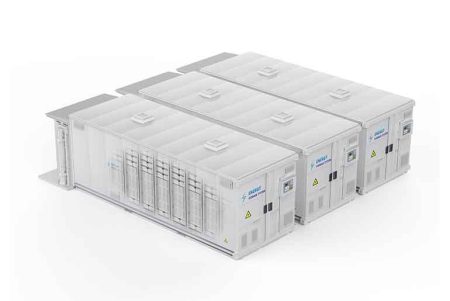
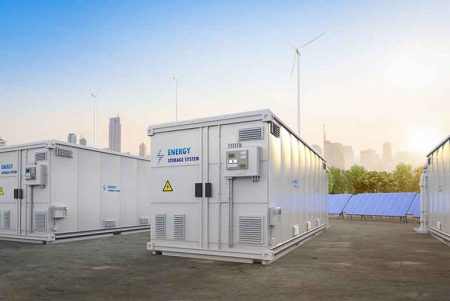
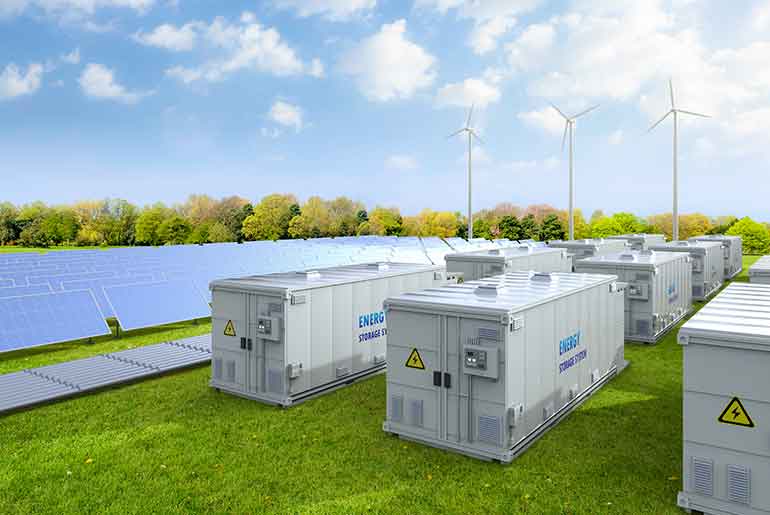
The MP Urban Development Company Ltd (MPUDC) has initiated the bidding process for the project, which will be developed under a public-private partnership (PPP) model. According to the tender, the project will comprise a 200 MW grid-connected floating solar power plant, with a permitted capacity variation of up to 10%, integrated with a 50 MW/100 MWh battery energy storage system (BESS).
The floating solar plant will be developed on the cooling reservoir of the Sanjay Gandhi Thermal Power Station in Birsinghpur, Umaria district. The project will utilise the existing water body for installing the solar panels, avoiding the need for separate land acquisition for the generation facility.
The project will aggregate electricity demand from participating urban local bodies across Madhya Pradesh. Under the proposed structure, these urban local bodies are expected to collectively hold 26% equity in the project. The remaining participation will be structured through the private-sector partnership envisaged under the PPP model.
The integrated solar-plus-storage system is intended to provide electricity to municipal services such as water supply pumping and sewage treatment. By aggregating the requirements of multiple cities and towns, the project will enable smaller urban local bodies to participate in a larger renewable energy project without having to independently acquire land or develop individual solar power plants.
The 50 MW/100 MWh BESS will form the energy storage component of the project, providing two hours of storage capacity based on the specified configuration. The combination of floating solar generation and battery storage is planned to support the electricity requirements of participating municipalities under the project’s power supply arrangement.
The project is expected to supply clean power to participating urban local bodies while helping them manage their electricity expenditure. The demand aggregation model will consolidate the power requirements of multiple municipalities into a single project, creating a common procurement and supply framework.
According to the project timeline, the tender is expected to be awarded by January 2027, while power supply is projected to commence by July 2028. The project will therefore combine floating solar generation with grid-connected battery storage as part of Madhya Pradesh’s planned renewable power supply for municipal services.
| Location | MADHYA PRADESH |
 Electrify your feed! Click here to join our Whatsapp group and to get the latest updates, expert insights, and innovations driving India’s energy storage revolution.