The Karnataka Electricity Regulatory Commission (KERC) has released draft regulations proposing a comprehensive Connectivity and General Network Access (GNA) framework aimed at improving access to the state’s transmission and distribution networks for renewable energy and energy storage projects. The proposed regulations are expected to strengthen renewable energy integration, streamline open access transactions, and support the growing deployment of energy storage systems across Karnataka.
Under the draft Karnataka Electricity Regulatory Commission (Connectivity and General Network Access to the Intra-State Transmission and State Distribution System) Regulations, 2026, renewable energy generating stations, renewable hybrid projects, renewable power parks, and standalone energy storage systems have been formally incorporated into the state’s connectivity framework.
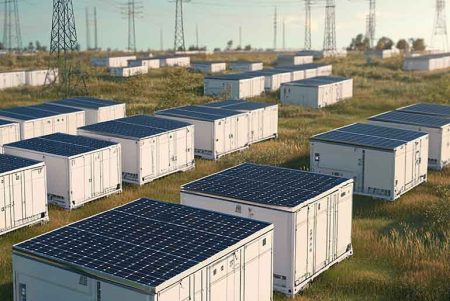
According to the proposal, renewable energy projects, including solar, wind, and hybrid plants, as well as energy storage systems with capacities of 5 MW and above, will be eligible to seek connectivity at the intra-state transmission level. Projects below 5 MW will continue to connect through the distribution network.
A key feature of the draft regulations is the introduction of “solar-hour access” and “non-solar-hour access” to improve the utilization of transmission infrastructure. Solar and hybrid projects may be granted solar-hour access, while wind projects and standalone storage systems can apply for non-solar-hour access. This approach is expected to enable multiple resources to share transmission capacity during different periods of the day, thereby improving grid efficiency and reducing infrastructure costs.
The regulations also provide flexibility for co-located renewable energy and storage projects. Such projects may apply for connectivity based on either their renewable generation capacity or storage capacity, whichever is higher, while operating within approved connectivity limits.
In addition, KERC has proposed provisions allowing multiple renewable generators and energy storage projects to aggregate capacity through a Lead Generator or Lead Energy Storage System model. The move is expected to facilitate shared infrastructure development and lower network expansion costs.
Renewable Power Park Developers authorized by the central or state government will also be permitted to seek connectivity on behalf of solar and wind projects, subject to regulatory requirements.
Stakeholders have been invited to submit comments on the draft regulations within 30 days. The new framework is proposed to come into effect from October 1, 2026, following the completion of the consultation process.
 Electrify your feed! Click here to join our Whatsapp group and to get the latest updates, expert insights, and innovations driving India’s energy storage revolution.