NITI Aayog VK Saraswat has said that nuclear energy will play a pivotal role in India’s energy transition, while emphasising the importance of battery energy storage systems (BESS) to support the country’s growing renewable energy capacity and achieve its Panchamrit targets.
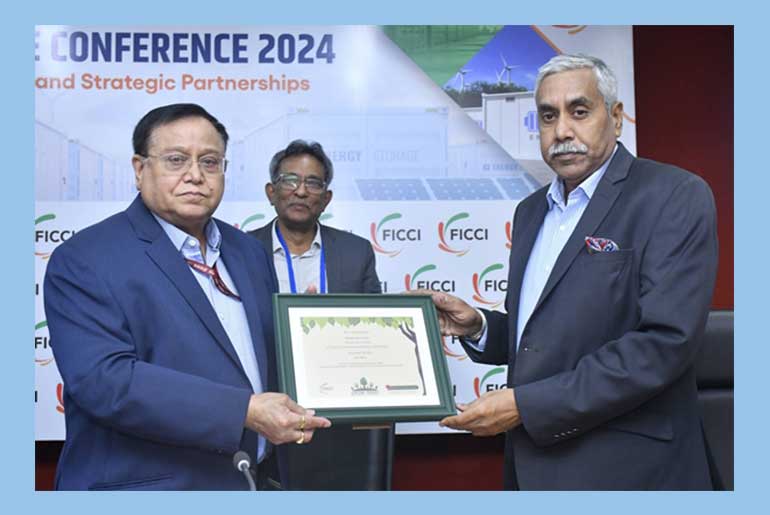
Speaking at the inaugural session of the Energy Storage Conference in New Delhi, held under the theme “Shaping Frameworks, Technology, and Strategic Partnerships,” Dr Saraswat said that while renewable energy capacity is growing rapidly, energy storage and nuclear power will be essential to ensuring a reliable and resilient electricity system.
Highlighting India’s progress in the renewable energy sector, he noted that the country currently ranks fourth globally in installed renewable energy capacity, fourth in wind power capacity, and fifth in solar power capacity, reflecting the country’s accelerating clean energy transition.
Dr Saraswat said nuclear energy will play a pivotal role in the energy transition, providing dependable, low-carbon baseload power that complements intermittent renewable sources such as solar and wind. He stressed that a balanced energy mix integrating renewables, nuclear generation and advanced energy storage technologies will be crucial for meeting India’s future electricity demand while reducing carbon emissions.
A key focus of his address was the importance of developing robust testing and certification infrastructure for energy storage technologies. He called for the establishment of a nationally accredited testing and certification facility for energy storage systems, which would help ensure product quality, safety, performance and standardisation across the rapidly expanding battery storage industry.
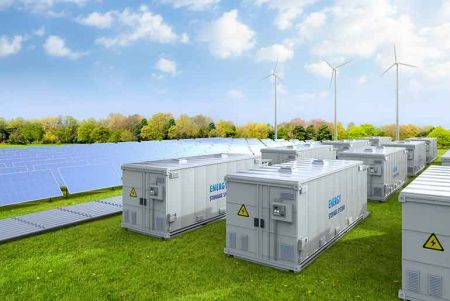
Dr Saraswat also highlighted the government’s ambitious energy storage plans, stating that India aims to deploy more than 238 GWh of battery energy storage capacity by 2030. The large-scale deployment of BESS is expected to play a critical role in balancing the grid, managing renewable energy variability, enhancing grid stability and enabling round-the-clock clean power supply.
As India continues to add renewable energy capacity at a rapid pace, battery storage is becoming an increasingly important component of the country’s power infrastructure. Energy storage systems will help store excess electricity generated during periods of high solar and wind output and discharge it during peak demand, improving overall grid reliability and reducing dependence on fossil fuel-based generation.
Dr Saraswat’s remarks come at a time when India is witnessing significant investments in battery manufacturing, grid-scale storage projects and renewable energy infrastructure. With supportive policies and growing deployment of advanced storage technologies, the country is positioning itself to build a more flexible, secure and sustainable power system.
The address reinforced the government’s long-term vision of combining renewable energy, battery storage and nuclear power to achieve energy security, accelerate decarbonisation and meet India’s clean energy targets. The NITI Aayog VK Saraswat remarks also highlight the growing importance of energy storage infrastructure in supporting the country’s transition to a low-carbon electricity system.
 Electrify your feed! Click here to join our Whatsapp group and to get the latest updates, expert insights, and innovations driving India’s energy storage revolution.