The Central Electricity Regulatory Commission (CERC) has proposed stricter deviation settlement regulations for upcoming renewable energy projects, while also introducing clearer provisions for energy storage systems (ESS) and pumped hydro projects, reflecting the regulator’s focus on strengthening grid discipline amid rising renewable energy integration in India.
In draft amendments issued by the central regulator, proposed the the Deviation Settlement Mechanism (DSM) Regulations, 2024. As per the new provisions CERC said that future wind-solar and renewable energy projects classified as “WS Sellers” would gradually lose the relatively relaxed deviation treatment currently available to them.
Under the proposal, renewable projects bid out on or after January 1, 2027, and projects commissioned on or after January 1, 2029, would be treated at par with conventional generators for deviation charges.
Increased Pressure On RE Developers
The move is expected to increase pressure on renewable developers to improve forecasting accuracy and scheduling discipline, particularly as India scales up intermittent renewable energy capacity.
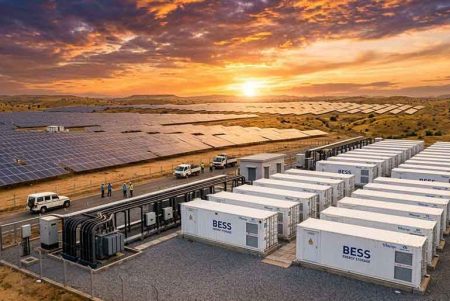
CERC has also proposed specific provisions for standalone ESS projects. According to the draft amendment, infirm power injected into the grid by standalone ESS projects from first synchronisation till successful completion of trial runs would be compensated at the normal rate of deviation charges, subject to a ceiling of Rs 2 per kWh.
Standalone PSP Projects
In another key clarification, the regulator proposed that deviation charges for standalone pumped hydro storage plants regulated under Section 62 of the Electricity Act would be computed based on the energy charge rate specified under the CERC Tariff Regulations.
The draft amendments also seek to modify the methodology for calculation of Area Clearing Price (ACP) references by replacing time-block based weighted average ACP calculations with daily weighted average ACP calculations for Integrated Day Ahead Market segments across power exchanges.
The proposed regulations are slated to take effect from July 1, 2026. Meanwhile, the regulator has invited stakeholders to submit their comments and suggestions on the draft amendments by June 26.
 Electrify your feed! Click here to join our Whatsapp group and to get the latest updates, expert insights, and innovations driving India’s energy storage revolution.