Close Menu
The Battery MagazineThe Battery Magazine
  • Just In
  • Batteries
    • Battery Manufacturing (BESS)
    • Battery Materials & Chemistries
    • Battery Recycling
    • C&I Storage
  • Solar
  • Renewable energy
    • Wind Energy
    • Hydropower
    • Green Hydrogen
    • Bioenergy
  • Tenders
    • Energy Storage
    • Solar Energy
    • Wind Energy
  • Policy
    • Storage
    • Solar
    • Wind
    • EV
    • Transmission
  • EV
    • EV Batteries
    • EV Charging Infrastructure
    • Electric Mobility Trends
  • Grid
    • Transmission & Distribution
    • Grid Infrastructure
    • Power Generation
    • Power Equipments
  • Exclusive
    • Cover Story
    • Watt Matters
    • Perspective
    • Articles
  • More
    • E-Mag
    • Events
    • Contact Us
Facebook LinkedIn WhatsApp
The Battery MagazineThe Battery Magazine
  • Just In
  • Batteries
    • Battery Manufacturing (BESS)
    • Battery Materials & Chemistries
    • Battery Recycling
    • C&I Storage
  • Solar
  • Renewable energy
    • Wind Energy
    • Hydropower
    • Green Hydrogen
    • Bioenergy
  • Tenders
    • Energy Storage
    • Solar Energy
    • Wind Energy
  • Policy
    • Storage
    • Solar
    • Wind
    • EV
    • Transmission
  • EV
    • EV Batteries
    • EV Charging Infrastructure
    • Electric Mobility Trends
  • Grid
    • Transmission & Distribution
    • Grid Infrastructure
    • Power Generation
    • Power Equipments
  • Exclusive
    • Cover Story
    • Watt Matters
    • Perspective
    • Articles
  • More
    • E-Mag
    • Events
    • Contact Us
LinkedIn Facebook WhatsApp YouTube
The Battery MagazineThe Battery Magazine
Home » Renewable energy » Green Hydrogen » PM Modi flags off first hydrogen-powered train on Jind-Sonipat route
Green Hydrogen

PM Modi flags off first hydrogen-powered train on Jind-Sonipat route

Shivangi GuptaBy Shivangi GuptaJuly 17, 20263 Mins Read
Facebook Twitter LinkedIn WhatsApp
PM Modi flags off first hydrogen-powered train on Jind-Sonipat route

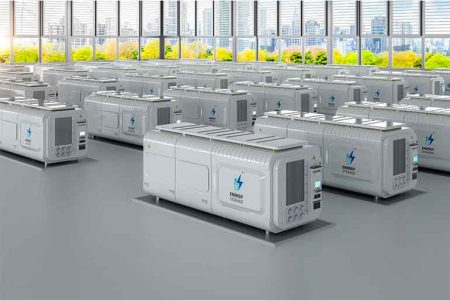
India has taken a major step towards clean transportation with the launch of its first hydrogen-powered train, introducing hydrogen fuel cell technology to the country’s railway network. Prime Minister Narendra Modi flagged off the train on Friday, making India one of the few countries—including Germany, Japan, China and the United States—to deploy hydrogen-powered rail transport.

The pilot project will operate on the 89-km Jind-Sonipat route under Northern Railway in Haryana. The initiative is expected to demonstrate the feasibility of hydrogen fuel cell technology for rail applications while supporting India’s transition towards low-carbon transportation.

The 10-coach train is powered by a 1,200-kW hydrogen fuel cell propulsion system, which generates electricity through an electrochemical reaction between hydrogen and oxygen. Unlike diesel-powered locomotives, the system emits only water vapour and heat, significantly reducing greenhouse gas emissions and air pollution.

The project also includes dedicated hydrogen storage and refuelling infrastructure, enabling safe fuel handling and uninterrupted train operations. The supporting infrastructure is considered a crucial component in developing a broader hydrogen mobility ecosystem in India.

Hydrogen-powered trains are increasingly being viewed as an alternative to diesel locomotives, particularly on non-electrified rail routes where overhead electrification may not be economically viable. Fuel cell technology offers long operating ranges, faster refuelling compared to battery-electric trains, and zero tailpipe emissions, making it suitable for regional rail services.

The launch aligns with India’s broader clean energy strategy and the objectives of the National Green Hydrogen Mission, which aims to establish the country as a global hub for green hydrogen production, utilisation and exports. The government has identified hydrogen as a key technology to decarbonise hard-to-abate sectors, including heavy transportation, steel manufacturing and fertilisers.

For the energy storage industry, the project highlights the growing role of multiple clean energy technologies in the mobility sector. While Battery Energy Storage Systems (BESS) continue to dominate electric passenger vehicles and grid-scale storage applications, hydrogen fuel cells are emerging as a complementary solution for heavy-duty transport, railways, shipping and long-haul logistics, where higher energy density and longer operating ranges are required.

Industry experts believe hydrogen and batteries will coexist rather than compete. Batteries offer higher efficiency for short-distance applications and energy storage, whereas hydrogen provides advantages in applications requiring continuous operation, rapid refuelling and higher payload capacities.

The Jind-Sonipat pilot project is expected to generate valuable operational data on fuel efficiency, maintenance requirements, infrastructure needs and lifecycle costs. The findings could guide future deployment of hydrogen-powered trains across India’s railway network.

As Indian Railways continues its decarbonisation efforts through electrification, renewable energy integration and alternative fuels, hydrogen technology is expected to play an important role in reducing dependence on fossil fuels. The success of the pilot project could encourage further investments in hydrogen production, storage systems, fuel cell manufacturing and related supply chains.

With the commissioning of its first hydrogen-powered train, India has expanded its clean mobility portfolio while strengthening the country’s emerging hydrogen economy. The initiative is expected to accelerate innovation across the hydrogen, battery and energy storage sectors, supporting the development of a more sustainable and diversified transportation ecosystem.

whatsapp icon Electrify your feed! Click here to join our Whatsapp group and to get the latest updates, expert insights, and innovations driving India’s energy storage revolution.
Clean Transportation First Indian Hydrogen Train hydrogen fuel cell technology Hydrogen Train India India News
Shivangi Gupta
  • Website

Shivangi Gupta is a journalist passionate about writing and delivering accurate, clear, and informative news stories across a wide range of topics.

Keep Reading

India Must Reform Green Finance

India Must Reform Green Finance, Build Human Capital to Unlock Nuclear Investment: NITI Aayog’s Abhay Karandikar

SUGS Lloyd Gains After Securing Two LoIs Worth Rs 214.27 Crore

SUGS Lloyd Gains After Securing Two LoIs Worth Rs 214.27 Crore from TPSODL and TPWODL

InSolare Energy Secures 52.5 MWp Solar EPC Project

InSolare Energy Secures 52.5 MWp Solar EPC Project in Punjab

Leave A Reply Cancel Reply

three × 4 =

Renewable energy
India Must Reform Green Finance

India Must Reform Green Finance, Build Human Capital to Unlock Nuclear Investment: NITI Aayog’s Abhay Karandikar

September 2, 2026
SUGS Lloyd Gains After Securing Two LoIs Worth Rs 214.27 Crore

SUGS Lloyd Gains After Securing Two LoIs Worth Rs 214.27 Crore from TPSODL and TPWODL

September 2, 2026
InSolare Energy Secures 52.5 MWp Solar EPC Project

InSolare Energy Secures 52.5 MWp Solar EPC Project in Punjab

September 2, 2026
Bondada Engineering Incorporates Subsidiary

Bondada Engineering Incorporates Subsidiary to Develop 225 MW/450 MWh BESS Project in Andhra Pradesh

September 2, 2026
Batteries
Blueleaf Energy and Universal Peak Secure Financing

Blueleaf Energy and Universal Peak Secure Financing for 100 MW/400 MWh Malaysia BESS Project

September 2, 2026
U.S. Adds 20 GWh of Energy Storage Capacity in Q2

U.S. Adds 20 GWh of Energy Storage Capacity in Q2, Largest Quarter on Record

September 2, 2026
Yuma Energy Raises dollar 35 Million in Series A to Expand Battery Swapping

Yuma Energy Raises $35 Million in Series A to Expand Battery Swapping Network Across India

September 2, 2026
Adani Green Energy Ltd (AGEL) has commissioned a 139 MW solar power project at Khavda in Gujarat, taking its total operational renewable-energy capacity beyond the 20 GW milestone.

Adani Green commissions 139 MW solar project at Khavda; operational capacity crosses 20 GW

September 2, 2026

Subscribe for Updates

Get the latest news about energy storage in your inbox.

    © 2026 Thebatterymagazine.com.
    • Home
    • About Us
    • Contact Us
    • Privacy Policy
    • Terms of Service

    Type above and press Enter to search. Press Esc to cancel.