The Central Electricity Regulatory Commission (CERC) has approved Tata Power’s bid for the Eastern Region Expansion Scheme-XXXIX, a major interstate transmission project focused on Gopalpur in Odisha. The project is expected to support the rapid growth of solar manufacturing, green hydrogen, and renewable energy industries in the region.
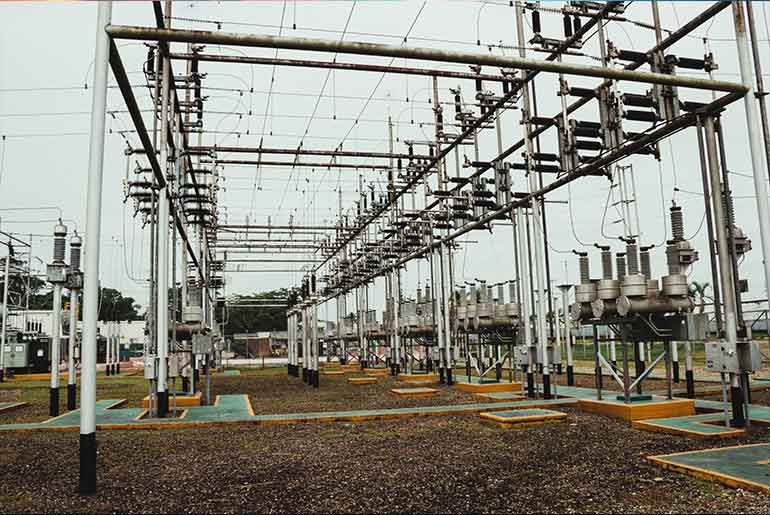
Tata power has created TP Gopalpur Transmission Limited, to develop this transmission project. The project involves constructing the 765/400kV GIS substation at Gopalpur, as well as related high voltage transmission facilities. The planned completion date is December 2027.
CERC approved annual transmission charges of ₹2,897.29 million under tariff-based competitive bidding conducted under Section 63 of the Electricity Act. Reports stated that the approved tariff was around 24.43% lower than the estimated cost based on regulatory norms.
The bidding process saw strong competition among major power companies including Tata Power, Adani Energy Solutions, Power Grid Corporation of India, and Sterlite Grid 32. After multiple rounds of electronic reverse auction bidding, Tata Power secured the project with a final bid slightly lower than Power Grid Corporation.
The project is being viewed as an important development for Odisha’s growing renewable energy manufacturing sector. Gopalpur and nearby industrial areas are attracting investments in solar manufacturing and green hydrogen projects.
Reports indicate that Saatvik Green Energy is developing an integrated solar manufacturing facility at Gopalpur Industrial Park with a planned capacity of 4.8 GW solar cells and 4 GW solar modules. In addition, World Green Energy has announced plans to establish a 2 GW TOPCon solar cell manufacturing facility along with a 1.2 GW module plant in the region.
Green hydrogen companies including Avaada Group and Ocior Energy are also developing large renewable energy projects along Odisha’s coastline.
Industry experts believe the new 765 kV transmission infrastructure will improve grid readiness for power-intensive industries such as solar cell, wafer, and ingot manufacturing. The project has also been designed with additional expansion provisions, including extra line bays and transformer capacity, to support future industrial growth.
Experts further noted that the approval reflects India’s changing approach toward transmission planning, where infrastructure is now being developed ahead of expected industrial demand to support faster growth in clean energy manufacturing.
 Electrify your feed! Click here to join our Whatsapp group and to get the latest updates, expert insights, and innovations driving India’s energy storage revolution.