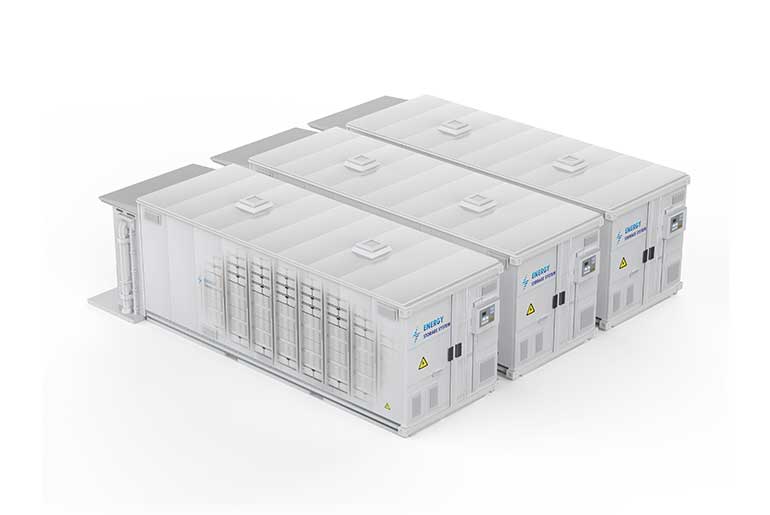
Fluence Energy has started construction of a 100 MW/400 MWh battery energy storage system (BESS) for LEAG Clean Power GmbH in Germany, marking another major step in the development of large-scale energy storage infrastructure in the country.
The Heinersbrück GridBattery project is being developed on recultivated former mining land in the Lusatia region of eastern Germany. The project is part of LEAG’s broader GigawattFactory concept, which aims to combine renewable power generation, battery storage and dispatchable generation capacity as Germany moves forward with its coal phase-out.
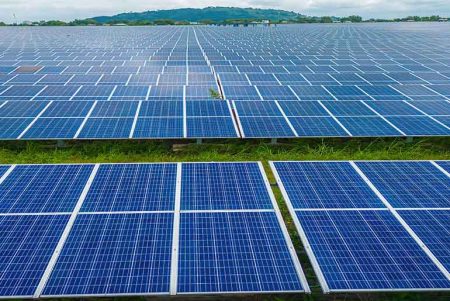
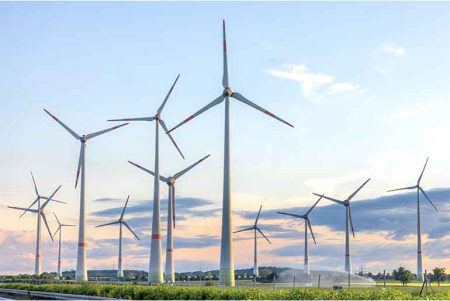
The 400 MWh battery is being developed alongside renewable energy projects in the same energy cluster, including the Forst-Briesnig II wind farm and the Bohrau 1 photovoltaic plant, both of which are currently being completed.
Battery Storage to Support Renewable Integration
The Heinersbrueck GridBattery is expected to be completed in 2027. Once operational, the system will provide a large-scale storage resource capable of absorbing surplus electricity generated by renewable assets and supplying power back to the grid when demand increases or renewable generation falls.
Importantly, the project will be the first LEAG Clean Power battery storage system to share a grid connection point with wind and solar generation assets.
This configuration is designed to improve the utilisation of renewable electricity by allowing excess generation to be stored rather than curtailed. The stored energy can then be dispatched when required, helping to improve the efficiency and flexibility of the local energy system.
Thomas Brandenburg, Managing Director of LEAG Clean Power GmbH, said the shared grid connection will enable surplus renewable electricity to be stored flexibly and made available when needed. According to Brandenburg, the project will also help reduce pressure on the electricity grid and contribute to security of supply.
Second Major Fluence-LEAG Project
The Heinersbrueck project is the second battery storage system Fluence is delivering for LEAG Clean Power.
The companies are also working on the much larger 1 GW/4 GWh GigaBattery Jaenschwalde 1000 project, which is located in the same Lusatia region. Together, the projects represent a significant expansion of large-scale battery storage capacity as LEAG transforms former coal-mining areas into renewable energy and storage hubs.
Fluence is responsible for the design, supply and construction of both battery projects. The systems will use Fluence’s Smartstack modular battery platform, which is designed for large-scale energy storage applications.
Germany’s Growing Battery Storage Market
The project comes as Germany continues to expand its energy storage capacity to support a power system increasingly dominated by variable renewable generation. Large-scale batteries can provide flexibility by shifting electricity from periods of high renewable generation to periods of greater demand.
Julian Jansen, Managing Director, Germany, at Fluence, said the company has contracted or deployed 35 projects in Germany with a cumulative capacity of more than 6 GWh.
The Heinersbrueck GridBattery adds another major project to Fluence’s growing German portfolio and demonstrates the increasing role of batteries in integrating wind and solar power into the electricity system.
For LEAG, the project forms part of a wider transformation of its energy infrastructure as the company develops its GigawattFactory concept. By combining renewable generation with large-scale battery storage and dispatchable power capacity, the company aims to create a more flexible energy system while transitioning away from coal.
With completion targeted for 2027, the Heinersbrueck GridBattery is expected to become an important component of the renewable energy cluster being developed on former mining land in Lusatia.
 Electrify your feed! Click here to join our Whatsapp group and to get the latest updates, expert insights, and innovations driving India’s energy storage revolution.