In the age of decarbonization and distributed generation, the global energy landscape is undergoing a radical shift. At the heart of this transformation is the evolution of energy storage systems—from standalone batteries to fully integrated Battery Energy Storage Systems (BESS). Energy storage technology providers are playing a pivotal role in reshaping how electricity is stored, distributed, and utilized. Their innovations are not only bridging the gap between renewable energy generation and consumption but also ensuring the reliability, flexibility, and sustainability of modern power infrastructure.
Understanding BESS: Beyond Just Batteries
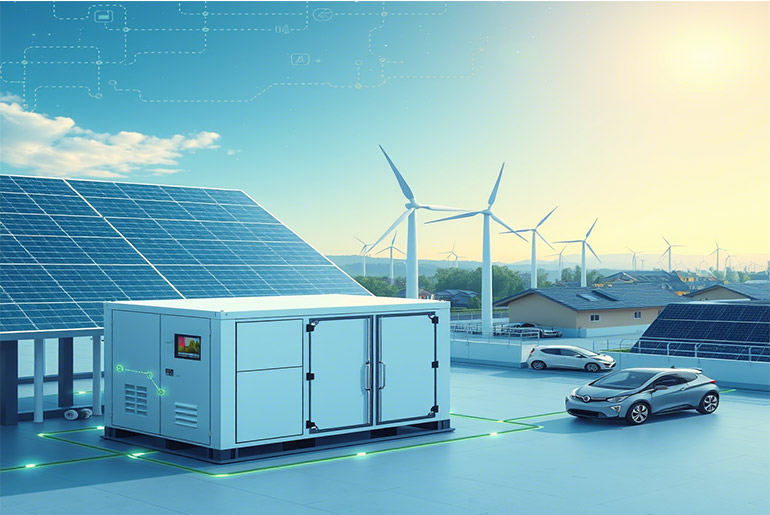
Traditional batteries, while effective for basic backup and portable energy needs, have limitations in scalability and integration into complex energy systems. This is where BESS comes in—a comprehensive solution that includes battery packs, battery management systems (BMS), inverters, thermal management systems, and energy management software. BESS is engineered to provide grid-scale support, peak load shaving, frequency regulation, and seamless renewable integration.
For instance, companies like Fluence and Tesla have developed utility-scale BESS installations capable of storing hundreds of megawatt-hours of energy. These systems are critical in stabilizing grids during demand fluctuations and improving the dispatchability of solar and wind energy.
Key Drivers Behind the Rise of BESS
Renewable Energy Integration
The intermittency of solar and wind energy has long been a challenge. Energy storage provides the buffer required to smooth out the variability of renewables. With the increasing push toward clean energy targets, energy storage becomes indispensable.
Grid Modernization and Decentralization
Traditional centralized power systems are giving way to decentralized models with distributed energy resources (DERs) like rooftop solar and EVs. BESS enables these systems to operate efficiently and independently.
Electrification of Transport and Industry
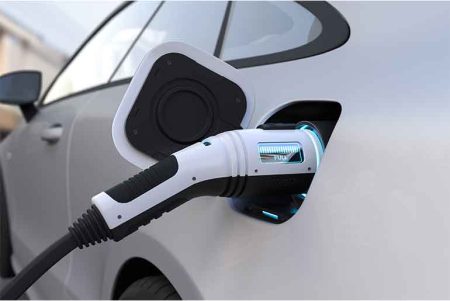
As electric vehicles (EVs) become mainstream and industries electrify their operations, the demand for flexible and scalable energy storage is skyrocketing. Fast-charging infrastructure and fleet electrification rely heavily on robust BESS deployments.
Energy Resilience and Peak Shaving
Utilities and commercial users deploy BESS to avoid peak demand charges, ensure uninterrupted supply during outages, and participate in demand response programs.
The Role of Energy Storage Technology Providers
Energy storage providers do far more than sell batteries. They are at the forefront of:
- Developing Advanced Chemistries: From lithium-ion and LFP to emerging technologies like solid-state batteries and sodium-ion alternatives, companies are pushing boundaries to improve energy density, safety, and cost-effectiveness.
- Integrating Software and AI: Smart energy management platforms optimize battery usage, predict load patterns, and integrate with renewable assets and grid signals. Providers like Stem Inc. and Wärtsilä offer AI-driven platforms that bring intelligence to storage systems.
- Designing Scalable Architecture: Modular designs now allow utilities, industries, and even residential users to scale storage from a few kilowatts to several megawatts with ease.
- Ensuring Circularity and Recycling: As environmental concerns grow, providers are also developing battery reuse and recycling frameworks to minimize lifecycle emissions and support circular economies.
Case Studies of Transformation
India’s Green Energy Corridors
To support its renewable integration goals, India is building large-scale BESS installations in Rajasthan, Gujarat, and Tamil Nadu. Companies like Tata Power, JSW Energy, and AmpereHour Energy are involved in building storage-integrated renewable projects to stabilize power supply and reduce curtailment.
California’s Virtual Power Plants (VPPs)
In California, companies like Sunrun and Tesla have deployed thousands of home batteries aggregated into VPPs. These act like a single power plant, capable of supporting grid stability during peak events or outages.
Remote Microgrids in Africa
In rural Africa, BESS paired with solar PV is delivering reliable and clean power to off-grid communities. Providers like Schneider Electric and Husk Power Systems are leading this transformation, reducing diesel dependency and powering inclusive development.
Emerging Technologies and Trends
Second-Life Batteries
Repurposing EV batteries for stationary storage is gaining traction. Companies like B2U Storage Solutions are commercializing this idea, offering cost-effective BESS with minimal additional carbon footprint.
Hybrid Energy Systems
BESS is increasingly integrated with hybrid systems combining solar, wind, hydrogen, and even thermal sources. This synergy maximizes output and ensures 24/7 clean power.
Vehicle-to-Grid (V2G) Systems
Advanced providers are exploring V2G systems where EVs act as mobile storage units. Nissan and Nuvve are pioneering solutions where parked EVs feed power back into the grid when needed.
Long-Duration Energy Storage (LDES)
Startups are developing innovative solutions beyond lithium, including flow batteries, gravity-based systems, and thermal storage, to effectively meet long-duration energy storage needs that lithium-ion technology cannot address cost-effectively.
Challenges Ahead
Despite the momentum, energy storage providers face hurdles such as:
- Supply Chain Volatility: Lithium and cobalt price fluctuations, along with geopolitical tensions, pose risks to material availability and cost stability.
- Policy and Regulatory Ambiguity: In many countries, BESS lacks a distinct regulatory identity — is it generation, transmission, or load? Clear policies are essential for scaling investments.
- Fire Safety and Standards: With increasing deployment, thermal runaway incidents have raised safety concerns. Standardization and fire mitigation technology need continuous improvement.
India’s Growing BESS Market
India is emerging as a promising BESS market, driven by a push for renewable energy integration, grid balancing, and domestic battery manufacturing under PLI schemes. Players like Amara Raja, Exide Energy, Reliance New Energy, and energy startups like Lohum and Matter Energy are actively building both BESS hardware and digital platforms. MNRE’s push for BESS tenders—especially for round-the-clock (RTC) renewable power—is likely to attract investments upwards of $2.5 billion over the next five years.
From mere power backup units to dynamic, intelligent systems that anchor modern power grids, BESS represents the future of electricity. Energy storage technology providers are not merely supporting the energy transition; they are driving it. Their contribution to developing a cleaner, resilient, and flexible energy infrastructure is indispensable. There will come a time when the world will rely more heavily on renewables and electrification, and BESS will go from a choice to a need, and the providers doing it will become the builders of a truly sustainable energy future.
 Electrify your feed! Click here to join our Whatsapp group and to get the latest updates, expert insights, and innovations driving India’s energy storage revolution.