For more than a century, electricity has travelled along a familiar path—generated at distant power plants, transmitted across vast networks, and finally consumed, often unquestioningly, behind the walls of homes and businesses. Today, however, that linear relationship with energy is being quietly rewritten. Across India, rooftops are turning into power stations, batteries are emerging as silent custodians of resilience, and consumers are evolving into active participants in an increasingly decentralized energy landscape. Yet, the future of energy will not be shaped by solar panels, batteries, or smart meters in isolation. It will be defined by their ability to think, communicate, and function as one intelligent ecosystem. At the forefront of this transformation stands Genus Innovation. With a vision that extends beyond standalone products, the company is building an integrated energy architecture where smart metering, advanced energy storage systems, hybrid inverters, and digital energy management platforms converge seamlessly to create a new paradigm of energy autonomy. In this emerging era, intelligence may well become as critical as generation itself.
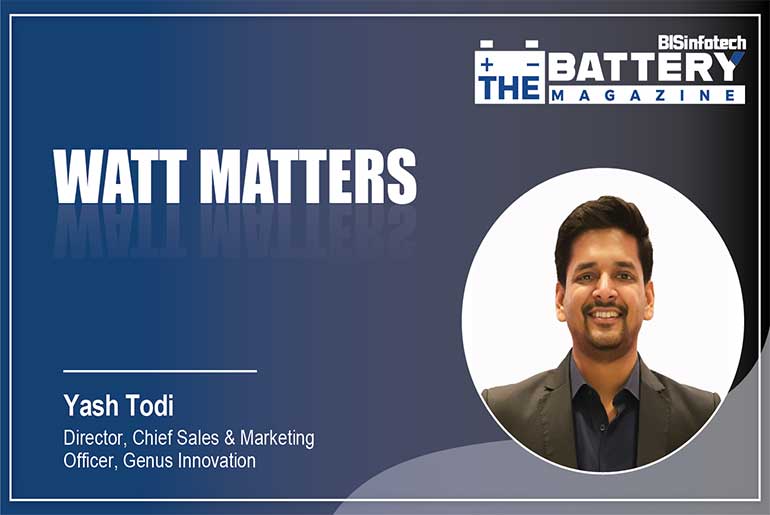
Against this backdrop, Shweta Kumari, Sub-Editor of The Battery Magazine, engaged in a thought-provoking conversation with Yash Todi, Director and Chief Sales & Marketing Officer, Genus Innovation. Through a wide-ranging and insightful exchange, he shared his perspectives on the rise of intelligent energy ecosystems, the growing significance of behind-the-meter storage, software-defined energy management, smart homes, and the collaborative innovation that will shape India’s energy future. Let us delve deeper into the conversation.
Genus operates across multiple layers of the energy ecosystem, from smart metering and power electronics to solar and energy storage solutions. How do you see these technologies converging to shape the next generation of India’s energy infrastructure?
India’s energy infrastructure is entering a new era where intelligence will be as important as generation capacity. As renewable energy penetration accelerates, the real challenge is no longer producing clean energy; it is storing, managing and optimizing it efficiently to benefit the users.
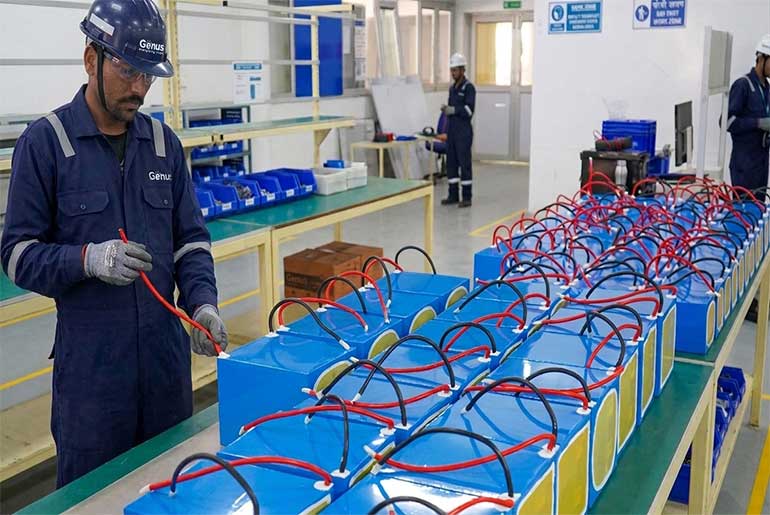
At Genus Innovation, we see energy storage system and Renewable Energy Management System (REMS) converging into one connected energy ecosystem. Our advanced hybrid inverters, lithium battery platforms and new Battery Management Systems work together to ensure that every unit of energy generated is intelligently stored, monitored and consumed.
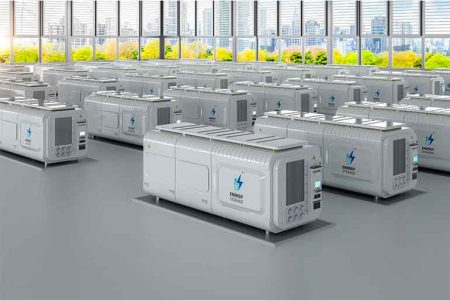
Our core focus is on delivering integrated Energy Storage Systems (ESS) that combines intelligent hybrid inverters; advanced lithium-ion battery solutions, and REMS-enabled digital energy management.
We believe the future home and commercial facility will function as an intelligent energy node, capable of generating electricity through rooftop solar, storing it in lithium-based ESS, optimizing consumption through intelligent energy management and interacting seamlessly with the grid. As regulatory frameworks evolve, these connected systems will also enable participation in peer-to-peer energy trading, demand response programs and other grid services, allowing consumers to become active participants in the energy ecosystem rather than passive users.
This convergence is fundamentally changing India’s energy architecture. Leadership will belong to organisations that can integrate hardware with software and create intelligent energy ecosystems rather than standalone products. That is the direction in which Genus Innovation is investing.
India’s smart metering rollout is often discussed as a utility modernization initiative. Beyond billing efficiency, how do you see smart meters contributing to future applications such as demand response, distributed energy resources, and Battery Energy Storage Systems (BESS)?
Smart meters become exponentially more valuable when integrated with intelligent Energy Storage Systems. Their true value lies in generating the real-time intelligence required to optimize how energy is generated, stored, consumed and exchanged with the grid. This data enables advanced Energy Management Systems to make dynamic decisions; whether to store surplus solar generation, discharge batteries during peak tariff periods, prioritize self-consumption, or draw power from the grid based on cost and demand. The result is a more resilient, efficient and responsive energy ecosystem.
Smart meters are a gateway to intelligent energy management rather than standalone metering devices. By integrating real-time energy data with Energy Storage Systems, hybrid inverters, and Renewable Energy Management Systems (REMS), we are enabling homes and businesses to maximize self-consumption, enhance energy resilience and actively participate in a smarter, more decentralized energy ecosystem. As the energy landscape evolves, seamless interoperability between smart meters, hybrid solar inverters and battery storage will be critical to unlocking demand response, distributed energy resources (DER), peer-to-peer energy trading and grid-interactive consumers.
The PM Surya Ghar Yojana is expected to create millions of new rooftop solar prosumers across the country. Do you believe the next phase of this transition will be widespread adoption of behind-the-meter battery storage, and what factors will determine its success?
PM Surya Ghar has been a genuine policy breakthrough. It is quietly building the largest base of residential energy prosumers this country has ever seen. The scheme has already solarised 40 lakh households across India. Each one of those households is generating power, feeding it back, and in many cases, still depending on the grid post sunset. That gap is precisely where behind-the-meter battery storage becomes the next logical step.
The scheme is fundamentally transforming citizens from electricity consumers into electricity producers. Once that shift happens at scale, the demand for energy independence naturally flows. I firmly believe the next phase of India’s rooftop solar journey will be driven by integrated energy storage solutions.
At Genus, we have recently introduced our Hi-FLO Hybrid Solar Solution to address this emerging need. Our hybrid solar inverter has been engineered to deliver uninterrupted power through intelligent energy management, enabling users to maximize solar consumption while reducing dependence on the grid.
However, widespread adoption of behind-the-meter battery storage will depend on three critical factors: bringing down battery costs to a point where payback is intuitive for a middle-income household; extending policy support to cover storage alongside generation and building the installer and service network to match the pace of rooftop solar deployment. And finally, intelligent energy management platforms that seamlessly integrate solar, batteries and the grid, enabling consumers to maximize savings while improving energy resilience.
I believe that the next phase will not simply be battery adoption; it will be intelligent energy management. Storage delivers its greatest value when integrated with software that understands household consumption patterns, solar generation and grid availability. This is where Renewable Energy Management Systems will become indispensable.
Genus Innovation recently introduced advanced Battery Management System (BMS) capabilities. As battery deployments scale across residential and commercial applications, what role will software intelligence play in enhancing safety, performance, and lifecycle management?
At Genus Innovation, we view the Battery Management System as one layer of a broader intelligent energy architecture. While the BMS safeguards battery health at the cell level, the Energy Management System orchestrates how stored energy is generated, consumed, stored and exported based on user behaviour, electricity tariffs and solar availability. Together, they transform a battery into an intelligent Energy Storage System.
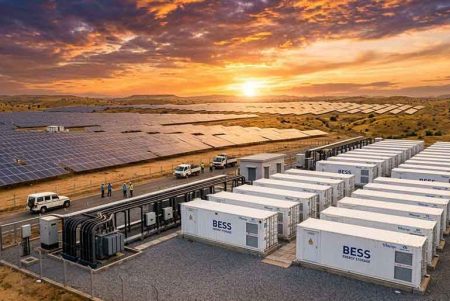
A modern BESS is an intelligent energy platform powered by software, data analytics, IoT connectivity, AI-enabled forecasting, and advanced battery management tools that can predict demand patterns, optimise charging cycles, reduce inefficiencies, and support grid stability during peak loads.
In practical terms, this means our BMS continuously monitors cell-level health, prevents thermal runaway before it starts, balances charge across the pack, and extends useful life well beyond what unmanaged systems achieve. As deployments scale from individual homes to commercial installations to grid-connected fleets, the software layer becomes the engine of trust. Customers do not buy batteries; they buy reliability over ten to fifteen years. That promise is only deliverable through intelligent software and building that capability is the central priority for us at Genus Innovation.
Traditionally, consumers purchased inverters and batteries primarily for backup power. Today, conversations are shifting toward energy optimization, self-consumption, and energy independence. How do you see consumer expectations evolving over the next decade?
Rising electricity tariffs, greater solar adoption, and the proliferation of smart home devices have collectively transformed the way consumers think about energy. The growing middle class, with higher disposable incomes and appetite for technology-forward solutions, is no longer passive about energy choices.
Over the next decade, we expect four defining expectations to emerge: seamless renewable energy integration; intelligent energy management through app-based monitoring; greater energy independence and the ability to derive economic value from surplus energy generation. Consumers will increasingly invest in rooftop solar and battery storage not only to reduce electricity bills and ensure uninterrupted power, but also to maximize self-consumption and, as regulatory frameworks evolve, potentially earn additional income by exporting excess electricity to the grid or participating in peer-to-peer energy trading and other distributed energy markets.
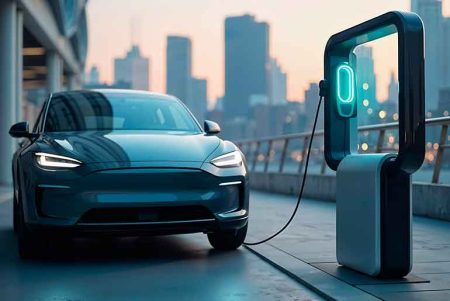
This represents a fundamental shift from energy consumption to energy ownership. We believe consumers will increasingly purchase integrated energy ecosystems rather than standalone products. Their expectations will evolve from backup power to intelligent energy autonomy, where solar generation, battery storage, EV charging and home energy management function seamlessly as one connected system, enabling every unit of energy to be generated, stored, consumed or traded intelligently.
With increasing adoption of solar, batteries, EVs, smart appliances, and connected devices, homes are gradually becoming miniature energy ecosystems. How close are we to creating truly intelligent energy homes in India, and what technological barriers remain?
The missing piece today is not technology; it is orchestration. The intelligent energy home is no longer a distant concept; Solar rooftops, lithium battery storage, EV charging, and smart appliances are gaining rapid adoption in Indian homes. However, true intelligence requires these components to not just coexist but communicate and optimise in real time. That integration layer is still nascent.
At Genus Innovation, we believe REMS will become the operating system of the intelligent home. It will continuously optimize energy flows, prioritize self-consumption of solar energy, intelligently charge batteries, manage EV charging schedules and reduce dependence on the grid—all through a unified digital platform.
On the technological barrier, the lack of interoperability standards between devices from different manufacturers remains a significant hurdle. Also, affordability of integrated solutions and limited consumer awareness especially in Tier 2 and Tier 3 markets remain critical challenges.
That said, the trajectory is unmistakably positive. Maturing IoT ecosystems, and supportive government policy are converging to accelerate this transition. Within this decade, the intelligent energy home will move from aspiration to accessible reality for a meaningful segment of Indian consumers.
As India strengthens its domestic battery manufacturing ecosystem, what opportunities do you see for deeper collaboration between battery manufacturers, inverter companies, software developers, smart meter providers, and energy storage innovators?
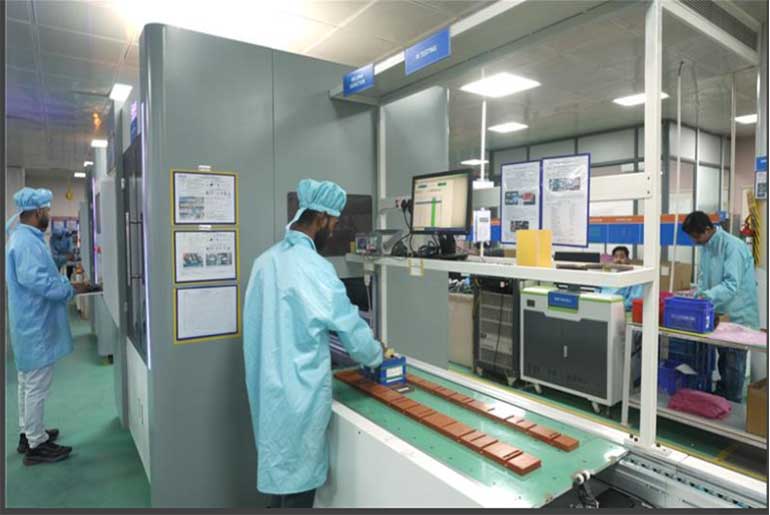
As for the opportunities, they are significant: co-developing integrated and indigenous hardware-software platforms, building interoperable standards that allow seamless device communication, and jointly addressing last-mile challenges in Tier 2 and Tier 3 markets will be critical. Such collaboration will also accelerate innovation, reduce costs, strengthen supply chain resilience and improve customer experience.
For an ESS and REMS player like us, strategic partnerships with domestic manufacturers will be critical to designing solutions optimised for Indian grid conditions and usage patterns and future applications such as distributed energy resources and demand response.
Looking ahead to 2035, what will define leadership in the energy sector: manufacturing scale, battery technology, digital intelligence, smart grid infrastructure, or the ability to integrate all these capabilities into a unified energy ecosystem?
The honest answer would be all the above, but only if all elements can be woven into one unified system. As we race toward 750 -1,000 GW of renewable capacity, manufacturing scale is no longer the differentiator, it is table stakes. By 2035, siloed capabilities won’t win; leadership will be defined by companies capable of integrating generation, storage and consumption into one intelligent energy platform.
We believe the next decade will belong to battery storage technology breakthrough and software-defined energy, where intelligence along with hardware will create value. The companies that can combine storage, digital platforms and AI-driven energy management into one seamless ecosystem will define the future of India’s energy transition. We are building an ecosystem where energy storage solutions, and smart metering operate as a single, synchronized brain. By making these technologies ‘think together,’ we are defining the next era of energy which is intelligent energy experience.
 Electrify your feed! Click here to join our Whatsapp group and to get the latest updates, expert insights, and innovations driving India’s energy storage revolution.