
According to the latest study by Persistence Market Research, the global Intelligent Energy Storage System (IESS) market was valued at US$ 15.8 billion in 2026 and is projected to reach US$ 30.6 billion by 2033, expanding at a CAGR of 9.9% during the forecast period. This growth is primarily driven by accelerating adoption of renewable energy, the need for grid stability, and advancements in battery chemistries and intelligent management systems. As energy systems worldwide transition toward decentralization and decarbonization, intelligent storage technologies are becoming a cornerstone of resilient power infrastructure.
Overview of Intelligent Energy Storage Systems
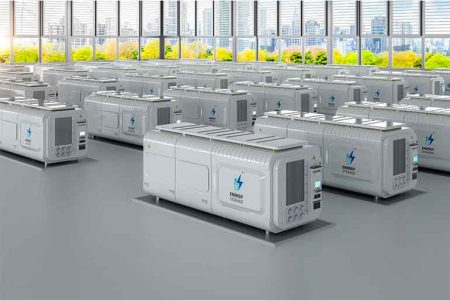
Intelligent energy storage systems integrate advanced battery technologies with digital monitoring, automation, and predictive analytics to optimize energy storage and distribution. These solutions enhance operational efficiency, reliability, and enable seamless integration of renewable energy sources such as solar and wind. Growing electricity demand, smart grid expansion, and increased focus on clean energy are driving global market growth.
Accelerating Renewable Energy Integration
The rapid expansion of renewable energy installations is one of the primary drivers of the IESS market. Solar and wind generation are inherently intermittent, causing fluctuations in energy supply. Intelligent storage systems balance generation and demand by storing excess power during peak production and releasing it when generation is low.
“Intelligent storage systems play a crucial role in ensuring reliable energy availability and maximizing renewable energy utilization,” the report notes.
Government initiatives with ambitious renewable targets are prompting utilities and private enterprises to invest in advanced storage infrastructure. AI-enabled energy management software further optimizes charging cycles, improves load forecasting, and reduces curtailment losses. This synergy is expected to sustain the market’s 9.9% CAGR through 2033.
Enhancing Grid Stability and Resilience
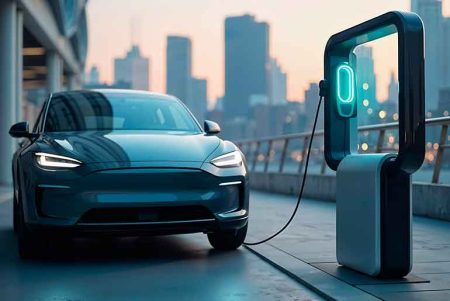
With the increasing complexity of modern power grids driven by distributed energy resources, electric vehicles, and digitalization intelligent energy storage systems are vital for grid reliability. They provide frequency regulation, voltage control, and peak shaving capabilities and can respond instantly to disturbances, reducing the risk of outages.
“With rising climate-related disruptions and extreme weather events, grid resilience has become a top priority for policymakers and utilities,” the study emphasizes. Investments in grid modernization programs across North America, Europe, and Asia are fueling demand for intelligent storage infrastructure.
Technological Advancements in Battery Chemistry and Management
Technological innovation is a core driver of the IESS market. Lithium-ion batteries dominate due to high energy density and decreasing costs, but advancements in flow batteries and next-generation chemistries are improving long-duration storage capabilities.
Intelligent Battery Management Systems (BMS) monitor temperature, voltage, and state-of-charge in real-time, enhancing safety and battery life. “AI-powered analytics optimize operational efficiency by predicting maintenance needs and improving energy dispatch strategies,” the report highlights. Continuous R&D investments are enhancing performance, scalability, and cost-effectiveness across applications.
Adoption in Residential and Commercial Sectors
Residential and commercial sectors are increasingly adopting intelligent storage to reduce energy costs and improve energy independence. Homeowners are pairing rooftop solar installations with smart battery systems to maximize self-consumption, while commercial enterprises use intelligent storage for peak demand management and sustainability goals.
“Businesses are leveraging storage solutions to stabilize energy expenses and meet carbon reduction commitments,” the study notes. Integration with IoT-enabled energy management software is creating smarter, more responsive energy ecosystems.
Expansion of Grid-Scale Energy Storage Projects
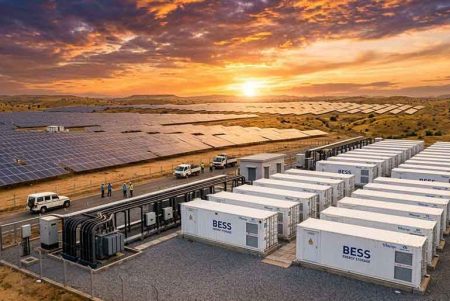
Grid-scale intelligent storage projects are rapidly expanding due to utility investments and public-private partnerships. Large-scale battery installations support renewable integration, provide ancillary services, and defer expensive grid upgrades. Emerging economies are also investing in grid-scale projects to improve rural electrification and energy access. Centralized monitoring and efficient energy dispatch across networks are contributing significantly to market growth.
Intelligent Hybrid Energy Systems
Hybrid systems combining multiple energy sources with intelligent storage are gaining traction. These integrate solar, wind, diesel generators, and battery storage into a unified platform managed by advanced software. “Hybrid configurations are particularly valuable in remote and off-grid locations, ensuring reliable electricity supply for industrial and community operations,” the report states. By reducing fuel consumption and enhancing reliability, hybrid systems offer economic and environmental benefits, expanding market opportunities globally.
Policy Support and Financial Incentives
Government policies and financial incentives are accelerating adoption of intelligent storage solutions. Tax credits, subsidies, renewable portfolio standards, and regulatory frameworks promoting grid modernization and decarbonization are encouraging investments. International climate commitments and carbon neutrality targets further boost market growth.
“Financial institutions and venture capital firms are increasingly funding innovative storage startups, fostering technological breakthroughs,” the study highlights. This supportive environment is expected to drive market expansion across both developed and developing regions.
 Electrify your feed! Click here to join our Whatsapp group and to get the latest updates, expert insights, and innovations driving India’s energy storage revolution.