
In a major boost to the renewable energy sector, the 56th GST Council, chaired by Finance Minister Nirmala Sitharaman, has approved a significant tax rebate on equipment used in the industry. As part of a broader rationalization of the Goods and Services Tax (GST) structure, the tax rate on renewable energy equipment has been reduced from 12% to 5%.
This move is expected to lower costs, encourage investment, and accelerate the adoption of clean energy across India.
As stated in the news release by the Ministry of Finance, the step will cut down the cost of projects immensely and will propel the Indian clean energy objective by involving solar panels, wind turbines, biogas plants, waste-to-energy, and other elements.
According to Finance Minister Sitharaman
The new tax rates have been in effect since September 22 this year. She also added that the reform will help India to move towards sustainable energy and to invest in green technologies. Prime minister Narendra Modi welcomed the rate reductions as comprehensive reforms that will support households, business and the economy at large.
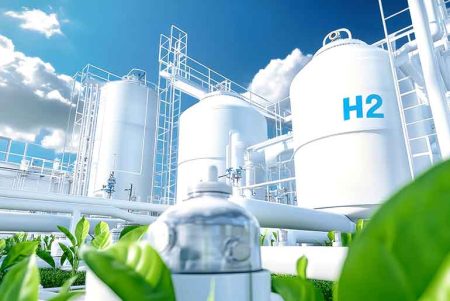
The Council also expanded the 5% slab to hydrogen fuel cell vehicles (such as buses and trucks), offering a significant boost to the National Green Hydrogen Mission of the government. Green hydrogen is believed to be the fuel of the future in long-distance transportation, and the lowered tax is expected to make such technologies more competitive, reported Moneycontrol.
The relocation also conforms to the intentions of India to realize self-sufficiency in its local production of these parts. It is currently manufacturing 100 GW of solar modules in the country, but some important components, such as wafers and ingots, are highly imported from China. The government will be cutting GST on renewable equipment to increase local supply chains and decrease reliance on imports, as per Mint.
Broader GST Overhaul
The Council also declared a structural reform of GST itself. The previous 12 and 28 percent slabs are gone, and most items are simplified into 5 percent and 18 percent categories. There is left a 40% slab of luxury and sin goods.
GST on coal was raised to 18 percent, and the ₹400/tonne compensation was eliminated. This transition will not make life more expensive for buyers, the Finance Ministry claimed, which means that there will not be a significant effect on electricity prices, reported Mint. Coal remains the main source of power in India, with plans to add 80 GW of capacity based on coal by 2032.
The reforms were also embraced by industry experts who realized how they would influence the energy transition in India.
 Electrify your feed! Click here to join our Whatsapp group and to get the latest updates, expert insights, and innovations driving India’s energy storage revolution.