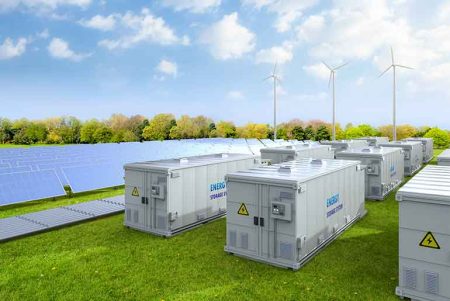

Over the past decade, thousands of Indian businesses have invested in rooftop solar systems to reduce electricity costs and improve sustainability performance. These investments have generated substantial savings while helping organizations lower their carbon footprint. However, many solar installations today are operating below their full economic potential. The next phase of value creation lies in integrating Battery Energy Storage Systems (BESS) with existing solar assets.
When many of these systems were originally installed, battery technology was either too expensive or lacked the maturity needed for widespread commercial deployment. Today, that situation has changed dramatically. Falling battery prices, improved system efficiency, and advances in energy management technologies have created a compelling case for retrofitting existing solar installations with storage.
The challenge faced by many solar users is straightforward. Solar generation peaks during the middle of the day when electricity demand may not necessarily be at its highest. As a result, excess energy is often exported to the grid at relatively low compensation rates. Later, during evening hours or peak demand periods, businesses purchase electricity back from the grid at significantly higher tariffs.
Battery storage helps bridge this gap.
Instead of exporting surplus energy, organizations can store it for later use. This increases self-consumption rates and maximizes the economic value of every unit of solar energy generated. Industry studies indicate that self-consumption levels can increase from approximately 40–60% to more than 80% when battery storage is integrated effectively.
The financial benefits extend beyond energy arbitrage. Many commercial and industrial consumers pay substantial demand charges based on their peak electricity usage. Even brief demand spikes can significantly increase monthly electricity bills. Battery systems can discharge during these periods, reducing peak demand and lowering costs.
Storage also strengthens energy resilience. Power interruptions can disrupt production schedules, impact equipment performance, and lead to revenue losses. Traditionally, businesses relied on diesel generators as backup power sources. However, rising fuel costs and sustainability concerns are making battery storage a cleaner and increasingly economical alternative.
Advances in intelligent energy management platforms further enhance these benefits. Modern systems use data analytics and automated controls to optimize battery charging and discharging based on consumption patterns, electricity tariffs, and weather forecasts. This ensures that businesses extract maximum value from both their solar and storage assets.
India’s rooftop solar market presents a particularly significant opportunity for retrofitting. With more than 17 GW of rooftop solar capacity installed nationwide, a vast installed base already exists. Rather than viewing solar projects as completed investments, organizations should see them as evolving energy platforms capable of delivering greater value over time.
As electricity markets continue to evolve, businesses that combine solar generation with storage and intelligent controls will gain a competitive advantage. They will benefit from lower operating costs, improved reliability, and greater energy independence.
The future of distributed energy is not simply about generating renewable power. It is about storing, managing, and utilizing that power more intelligently. For organizations that have already embraced solar, battery storage represents the next logical step in maximizing returns and future-proofing energy infrastructure.
The opportunity is no longer theoretical. It is available today, and early adopters are already realizing its benefits.
 Electrify your feed! Click here to join our Whatsapp group and to get the latest updates, expert insights, and innovations driving India’s energy storage revolution.