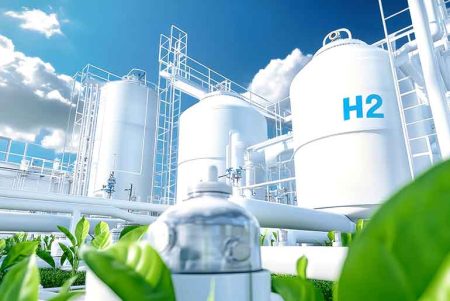
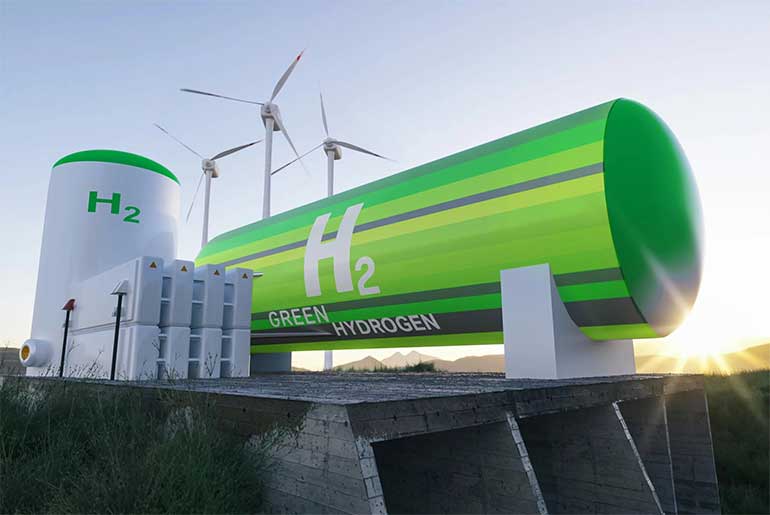
Union Minister of State for New and Renewable Energy Shri Shripad Yesso Naik has submitted a report in Rajya Sabha stating that the Government of India is implementing the National Green Hydrogen Mission (NGHM) with an outlay of ₹19,744 crore, aimed at making India a global hub for the production, use, and export of green hydrogen.
The progress achieved till November 2025 is given below:
- Under the incentive scheme for green hydrogen production, 18 companies have been awarded a cumulative production capacity of 862,000 tonnes per annum.
- Under the incentive scheme for electrolyzer manufacturing, 15 companies have been awarded a total manufacturing capacity of 3,000 MW per annum.
- Under the incentive scheme for procurement of green hydrogen for refineries, 2 companies have been awarded a total capacity of 20,000 tonnes per annum.
- Pilot projects for the use of green hydrogen in the steel, shipping, and transport sectors have been sanctioned.
The Government of India is already implementing various schemes such as the Pradhan Mantri Surya Ghar: Muft Bijli Yojana (PMSG: MBY), Pradhan Mantri Kisan Urja Suraksha evam Utthaan Mahabhiyan (PM KUSUM), and the New Solar Power Scheme for Tribal and Particularly Vulnerable Tribal Groups (PVTG) Habitations/Villages under Pradhan Mantri Janjati Adivasi Nyaya Maha Abhiyan (PM JANMAN) & Dharti Aaba Janjatiya Gram Utkarsh Abhiyan (DAJGUA), along with other programs. These schemes collectively support the rapid deployment of solar energy-based mini grids and rooftop solar projects across the country, including in rural areas, by providing financial assistance.
To ensure timely execution of wind, solar and bioenergy projects and achievement of the 2030 renewable energy targets, the Government has strengthened interministerial coordination through regular review meetings with Central and State agencies; Developed the National Renewable Energy Portal (NREP) to monitor progress of solar, wind, and Green Energy Corridor projects. Instituted real-time monitoring through data capture from REIAs, State Nodal Agencies and developers; Prescribed timelines under competitive bidding guidelines and convened monthly stakeholder meetings with developers to review progress and resolve bottlenecks.
 Electrify your feed! Click here to join our Whatsapp group and to get the latest updates, expert insights, and innovations driving India’s energy storage revolution.