Close Menu
The Battery MagazineThe Battery Magazine
  • Just In
  • Batteries
    • Battery Manufacturing (BESS)
    • Battery Materials & Chemistries
    • Battery Recycling
    • C&I Storage
  • Solar
  • Renewable energy
    • Wind Energy
    • Hydropower
    • Green Hydrogen
    • Bioenergy
  • Tenders
    • Energy Storage
    • Solar Energy
    • Wind Energy
  • Policy
    • Storage
    • Solar
    • Wind
    • EV
    • Transmission
  • EV
    • EV Batteries
    • EV Charging Infrastructure
    • Electric Mobility Trends
  • Grid
    • Transmission & Distribution
    • Grid Infrastructure
    • Power Generation
    • Power Equipments
  • Exclusive
    • Cover Story
    • Watt Matters
    • Perspective
    • Articles
  • More
    • E-Mag
    • Events
    • Contact Us
Facebook LinkedIn WhatsApp
The Battery MagazineThe Battery Magazine
  • Just In
  • Batteries
    • Battery Manufacturing (BESS)
    • Battery Materials & Chemistries
    • Battery Recycling
    • C&I Storage
  • Solar
  • Renewable energy
    • Wind Energy
    • Hydropower
    • Green Hydrogen
    • Bioenergy
  • Tenders
    • Energy Storage
    • Solar Energy
    • Wind Energy
  • Policy
    • Storage
    • Solar
    • Wind
    • EV
    • Transmission
  • EV
    • EV Batteries
    • EV Charging Infrastructure
    • Electric Mobility Trends
  • Grid
    • Transmission & Distribution
    • Grid Infrastructure
    • Power Generation
    • Power Equipments
  • Exclusive
    • Cover Story
    • Watt Matters
    • Perspective
    • Articles
  • More
    • E-Mag
    • Events
    • Contact Us
LinkedIn Facebook WhatsApp YouTube
The Battery MagazineThe Battery Magazine
Home » Renewable energy » India intends to Mandatory 2-hour battery storage for new wind and solar installations
Renewable energy

India intends to Mandatory 2-hour battery storage for new wind and solar installations

Shivangi GuptaBy Shivangi GuptaSeptember 4, 20263 Mins Read
Facebook Twitter LinkedIn WhatsApp
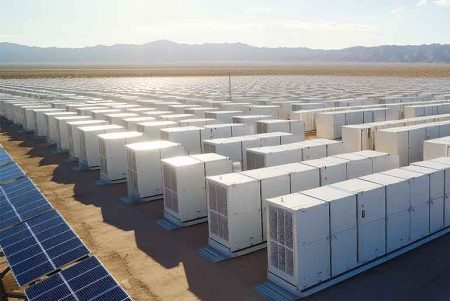
India intends to Mandatory 2-hour battery storage

India is getting ready to mandate battery storage for new solar and onshore wind projects, which is a big change in the way the nation intends to handle its quickly growing renewable energy potential.
New solar and onshore wind projects that are put into service starting on July 1, 2027, must have battery storage equal to at least 10% of their installed capacity, according to draft regulations created by the Central Electricity Authority (CEA). The storage system must be able to provide power for at least two hours, according to Reuters.
The proposal comes at a time when India is adding renewable capacity at a rapid pace but is also confronting a new problem: having more clean electricity available at certain times than the grid can absorb or transport.
The storage requirement is designed to address that mismatch. Instead of allowing surplus solar or wind power to go unused, batteries can store electricity when generation is high and release it when demand rises or renewable generation falls. Storage mandate to double duration from 2029, The proposed rules would become more stringent from July 2029.
The minimum storage duration would then increase from two hours to four hours, while the requirement for storage capacity equivalent to at least 10 per cent of the project’s installed capacity would remain. The move would make energy storage an integral part of new renewable projects rather than relying entirely on the transmission network or other power sources to balance fluctuations in generation.
For solar power, the need is particularly evident. Generation typically peaks during the middle of the day, while electricity demand can remain high or rise later in the evening when solar output starts falling. Battery storage can bridge that gap by shifting a portion of daytime renewable generation to periods of higher demand. The urgency of the issue is underscored by the amount of renewable electricity already being curtailed.
India curtailed nearly 14 per cent of its solar power generation between April and June, according to the Reuters report. Surplus electricity during daylight hours, combined with constraints in the transmission network, meant that some available solar power could not be absorbed by the grid.
Curtailment effectively means reducing renewable generation even though a solar or wind plant is capable of producing electricity. Clean-energy projects commissioned after July 2027 would also be required to have grid-forming inverter capabilities, according to the draft.
By assisting in the maintenance of voltage and frequency, grid-forming technology can improve grid stability for battery-based and renewable power systems. As the percentage of electricity generated from renewable sources rises, this skill becomes more crucial.
The physical features of conventional power plants—especially those that use synchronous generators—help stabilize the electrical grid. Power-electronic inverters are typically used to connect solar and wind projects to the grid, and they do not offer those features in the same manner.
whatsapp icon Electrify your feed! Click here to join our Whatsapp group and to get the latest updates, expert insights, and innovations driving India’s energy storage revolution.
electric mobility Grid Stability India News Solar solar energy Wind Energy
Shivangi Gupta
  • Website

Shivangi Gupta is a journalist passionate about writing and delivering accurate, clear, and informative news stories across a wide range of topics.

Keep Reading

JA Expands Solar-Plus-Storage Solutions Across Europe

JA Expands Solar-Plus-Storage Solutions Across Europe

JSW Energy Crosses 15 GW Capacity Milestone

JSW Energy Crosses 15 GW Capacity Milestone, Adds 1,572 MW in FY27

SPML Infra Marks BESS Milestone as Indigenous 104.4 kWh Battery Pack

SPML Infra Marks BESS Milestone as Indigenous 104.4 kWh Battery Pack Clears Global Tests

Leave A Reply Cancel Reply

twenty + 15 =

Renewable energy
India intends to Mandatory 2-hour battery storage

India intends to Mandatory 2-hour battery storage for new wind and solar installations

September 4, 2026
JA Expands Solar-Plus-Storage Solutions Across Europe

JA Expands Solar-Plus-Storage Solutions Across Europe

September 4, 2026
JSW Energy Crosses 15 GW Capacity Milestone

JSW Energy Crosses 15 GW Capacity Milestone, Adds 1,572 MW in FY27

September 4, 2026
SPML Infra Marks BESS Milestone as Indigenous 104.4 kWh Battery Pack

SPML Infra Marks BESS Milestone as Indigenous 104.4 kWh Battery Pack Clears Global Tests

September 4, 2026
Batteries
TCL Takes Its Energy Vision from Industry to Home

TCL Takes Its Energy Vision from Industry to Home at IFA 2026

September 4, 2026
Chery Set to Begin Solid-State Battery

Chery Set to Begin Solid-State Battery Road Tests in 2027

September 3, 2026
Hoymiles is Ready to Power the UK's New Plug-in Solar Era

Hoymiles Supports UK’s New Plug-in Solar Era with DIY Solar Solutions

September 3, 2026
Cosmic PV Power Clears SEBI Hurdle for Rs 640 Crore IPO

Cosmic PV Power Clears SEBI Hurdle for Rs 640 Crore IPO, Plans 1.1 GW TOPCon Cell Plant

September 3, 2026

Subscribe for Updates

Get the latest news about energy storage in your inbox.

    © 2026 Thebatterymagazine.com.
    • Home
    • About Us
    • Contact Us
    • Privacy Policy
    • Terms of Service

    Type above and press Enter to search. Press Esc to cancel.