Close Menu
The Battery MagazineThe Battery Magazine
  • Just In
  • Batteries
    • Battery Manufacturing (BESS)
    • Battery Materials & Chemistries
    • Battery Recycling
    • C&I Storage
  • Solar
  • Renewable energy
    • Wind Energy
    • Hydropower
    • Green Hydrogen
    • Bioenergy
  • Tenders
    • Energy Storage
    • Solar Energy
    • Wind Energy
  • Policy
    • Storage
    • Solar
    • Wind
    • EV
    • Transmission
  • EV
    • EV Batteries
    • EV Charging Infrastructure
    • Electric Mobility Trends
  • Grid
    • Transmission & Distribution
    • Grid Infrastructure
    • Power Generation
    • Power Equipments
  • Exclusive
    • Cover Story
    • Watt Matters
    • Perspective
    • Articles
  • More
    • E-Mag
    • Events
    • Contact Us
Facebook LinkedIn WhatsApp
The Battery MagazineThe Battery Magazine
  • Just In
  • Batteries
    • Battery Manufacturing (BESS)
    • Battery Materials & Chemistries
    • Battery Recycling
    • C&I Storage
  • Solar
  • Renewable energy
    • Wind Energy
    • Hydropower
    • Green Hydrogen
    • Bioenergy
  • Tenders
    • Energy Storage
    • Solar Energy
    • Wind Energy
  • Policy
    • Storage
    • Solar
    • Wind
    • EV
    • Transmission
  • EV
    • EV Batteries
    • EV Charging Infrastructure
    • Electric Mobility Trends
  • Grid
    • Transmission & Distribution
    • Grid Infrastructure
    • Power Generation
    • Power Equipments
  • Exclusive
    • Cover Story
    • Watt Matters
    • Perspective
    • Articles
  • More
    • E-Mag
    • Events
    • Contact Us
LinkedIn Facebook WhatsApp YouTube
The Battery MagazineThe Battery Magazine
Home » Renewable energy » India to Pilot Battery Storage at Coal Plants to Balance Solar Surge and Evening Demand
Renewable energy

India to Pilot Battery Storage at Coal Plants to Balance Solar Surge and Evening Demand

PrakashBy PrakashSeptember 4, 20253 Mins Read
Facebook Twitter LinkedIn WhatsApp
India to Pilot Battery Storage at Coal Plants to Balance Solar Surge and Evening Demand

India will test battery storage in coal-fired power plants to absorb surging midday solar and hold some thermal energy in reserve during the evening peak—without disrupting the grid.

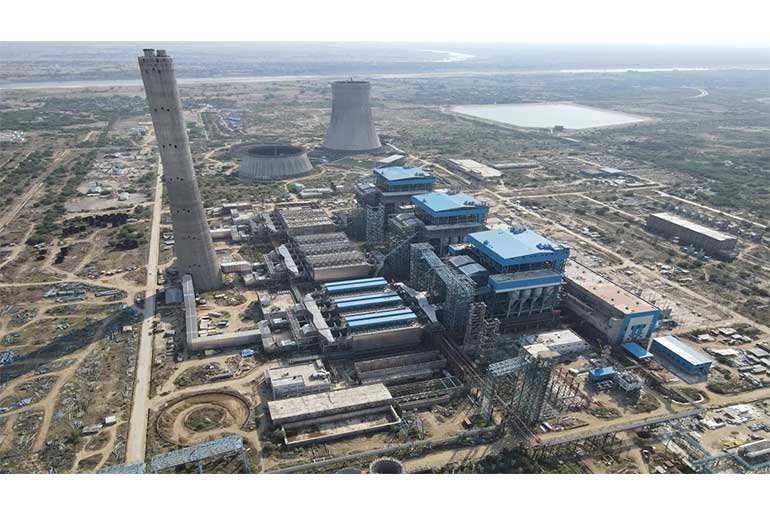
The relocation aims at an increasing cycle: coal units are now forced by the sun to retreat in the daytime, but the demand still points to them in the evening. That tension is only increasing with a non-fossil capacity target of 500 GW by 2030.

“At times there are only two choices. Either you shut down the coal plant (during excess solar generation) or lose the thermal capacity in the evening, which we don’t want,” said Ghanshyam Prasad, chairman of the Central Electricity Authority (CEA), at PowerGen India 2025 in New Delhi. “We are just trying this as an experiment.”

As a test of whether a way out exists, the CEA has requested NTPC, the largest coal generator in India, to put in place batteries in a few of its plants with financial assistance. The concept is not very complex: pay now when renewable production is high and pay later when the coal units can operate more continuously, reduce cycling costs, and, perhaps, increase the lifespan of the assets.

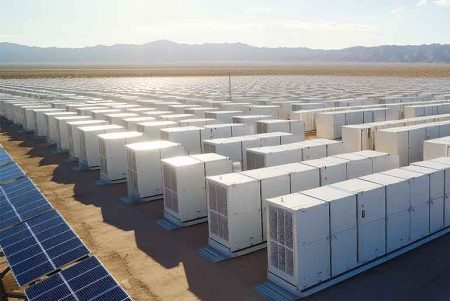
NTPC has already given a tender of 1.7 GW of battery across 11 coal plants—one of the largest in the world. It has 300 MW of four-hour systems (1,200 MWh) and 1,400 MW of two-hour systems (2,800 MWh), which are to be cycled twice a day over a period of 12 years.

The balance is relevant since the process of transition in India is a balancing act. The pace of renewables is increasing, but coal is still at the heart of 24-hour supply. The government is considering adding 97 GW of coal generation by 2035, which will take the fleet to about 307 GW, though flexibility and storage will continue to increase.

“If we maintain operations at that level for extended durations, the anticipated lifespan of a plant—usually around 25 years—could be reduced by a third or more,” said NTPC director of operations Ravinder Kumar.

This is the direction in which regulation is driving. Coal plants now have to work at a minimum load of 55 percent and have to comply with certain ramp rates. A 40 percent target is being considered, but NTPC has reported durability concerns and is maintaining its technical minimum at 55 percent in the meantime.

All this is going on against a stark shortage of storage. Even the current number of 500 MWh of operating batteries in India is only a fraction of the multi-gigawatt need by the early 2030s. Despite the fact that approximately 12.5 GW of projects are currently under tender with an additional 3.3 GW under review, supported by the Viability Gap Funding scheme of the Union government, which pays about 30 percent of the capital costs.

When the pilot is working

Coal-plus-batteries might be a viable solution—stretching the thermal resources already available and supporting the very quick uptake of renewable resources. It would also provide a model to other economies that rely on coal to absorb variable renewables without impacting reliability.

whatsapp icon Electrify your feed! Click here to join our Whatsapp group and to get the latest updates, expert insights, and innovations driving India’s energy storage revolution.

BESS NTPC renewable resources solar energy Thermal Power Stations
Prakash
  • Website
  • LinkedIn

I am a Junior Journalist with experience in researching, reporting, and creating engaging content across diverse topics and platforms. My work has strengthened my skills in communication, relationship building, and understanding people, while also honing my organisational and problem-solving abilities.

Keep Reading

PIP Partners with Fourier to Deploy Hydrogen-Powered Energy Storage System in Gujarat

PIP Partners with Fourier to Deploy Hydrogen-Powered Energy Storage System in Gujarat

NavPrakriti and IIT Kharagpur

NavPrakriti and IIT Kharagpur Partner to Advance Battery Recycling and Critical Mineral Recovery

IIT Guwahati

IIT Guwahati Develops Perovskite Technology Achieving 25.73% Solar Cell Efficiency

Comments are closed.

Renewable energy
PIP Partners with Fourier to Deploy Hydrogen-Powered Energy Storage System in Gujarat

PIP Partners with Fourier to Deploy Hydrogen-Powered Energy Storage System in Gujarat

June 4, 2026
IIT Guwahati

IIT Guwahati Develops Perovskite Technology Achieving 25.73% Solar Cell Efficiency

June 4, 2026
India’s Clean Energy Sector

India’s Clean Energy Workforce Grows by 6.6 Lakh, Rooftop Solar Leads Job Creation

June 4, 2026
SJVN Flags

SJVN Flags Renewable Power Demand Gap Amid Rising Capacity Additions

June 4, 2026
Batteries
NavPrakriti and IIT Kharagpur

NavPrakriti and IIT Kharagpur Partner to Advance Battery Recycling and Critical Mineral Recovery

June 4, 2026
Advait Energy Secures 150 MW/300 MWh BESS Project from GUVNL

Advait Energy Secures 150 MW/300 MWh BESS Project from GUVNL

June 4, 2026
cylib and Vianode

cylib and Vianode Partner to Advance Recycled Graphite for EV Batteries

June 4, 2026
Trina Storage

Trina Storage Wins 160 MWh Ultra-High Voltage Battery Project in Japan’s Kyushu Region

June 3, 2026

Subscribe for Updates

Get the latest news about energy storage in your inbox.

    © 2026 Thebatterymagazine.com.
    • Home
    • About Us
    • Contact Us
    • Privacy Policy
    • Terms of Service

    Type above and press Enter to search. Press Esc to cancel.