

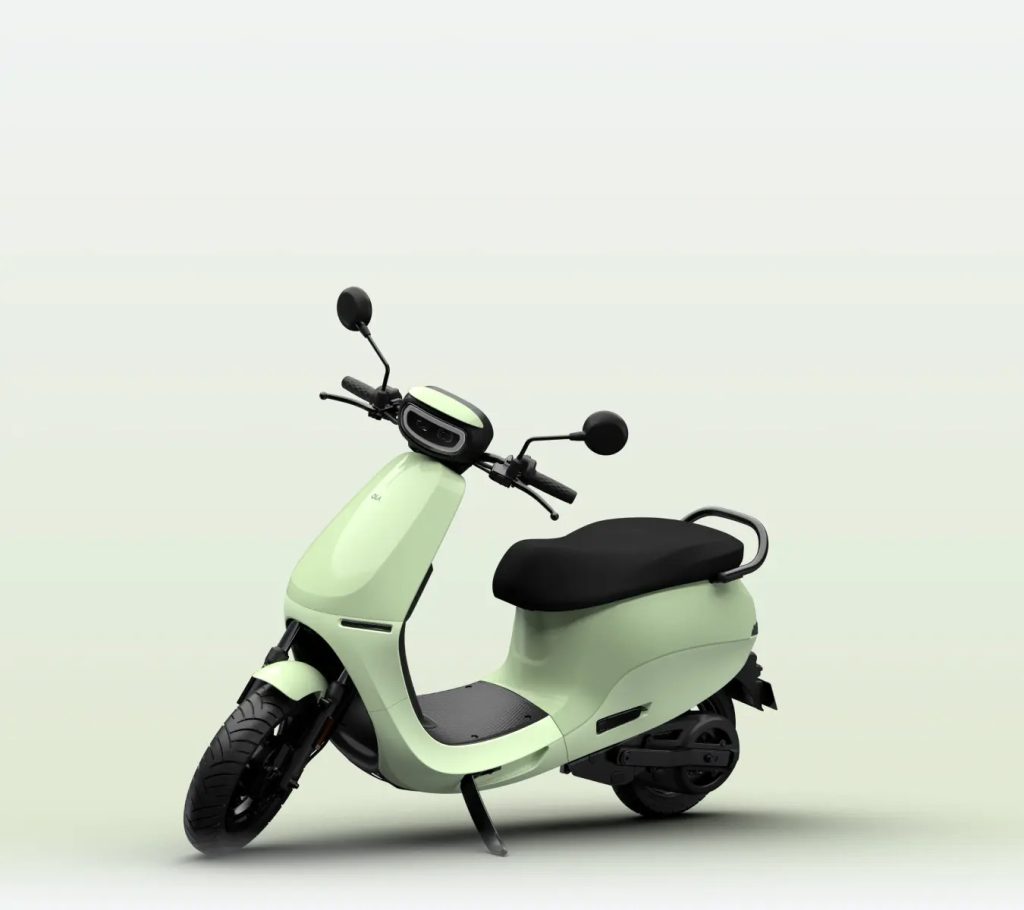
Ola Electric plans to achieve a 20% cost advantage through in-house battery cell manufacturing as it expands production capacity and integrates internally manufactured lithium-ion cells into its electric vehicles. The company’s strategy combines battery manufacturing, vehicle platform development and retail expansion to improve cost efficiency and strengthen its competitive position.
During its Q2 FY27 earnings call, Ola Electric CEO Bhavish Aggarwal said the company expects in-house cell manufacturing to deliver significant cost savings once production reaches the required scale. The move is aimed at reducing dependence on external suppliers, lowering the bill of materials (BOM) and supporting competitive vehicle pricing.
Ola Electric Expands Gigafactory Capacity to 6 GWh
Ola Electric has commissioned 3.5 GWh of cell manufacturing capacity at its gigafactory, taking its total installed cell manufacturing capacity to 6 GWh. The company plans to progressively increase production and integrate internally manufactured cells into its electric vehicles.
Aggarwal said Ola Electric’s existing BOM was already approximately 15–20% lower than that of competitors, with further reductions expected through in-house lithium iron phosphate (LFP) cells and its Gen 4 vehicle platform. The company expects the benefits of these cost improvements to begin reflecting gradually from Q4 FY27.
NMC and LFP Cells to Support Battery Integration
Ola Electric plans to introduce internally manufactured nickel manganese cobalt (NMC) cells into its automotive business first, followed by an increase in LFP cell integration in the subsequent quarter or early FY28.
The company expects approximately 30% of its automotive business to use in-house NMC cells and 70% to use LFP cells. Cell consumption is projected to reach 2–3 GWh in FY28, while average battery capacity per vehicle is expected to increase to approximately 5 kWh from the current 3.8 kWh.
The integration of NMC and LFP technologies is expected to strengthen Ola Electric’s battery manufacturing capabilities and support its long-term cost-reduction strategy.
Ola Electric Targets 700 Stores by March 2027
Alongside battery manufacturing expansion, Ola Electric is working to increase vehicle production and strengthen its retail network.
The company plans to manufacture approximately 25,000 vehicles in the coming month to clear its paid-order backlog. Aggarwal said supply-chain ramp-up, rather than demand, remained the primary constraint on production.
As of November 8, 2026, Ola Electric had 255 dealer partners and 319 stores. The company aims to expand its network to 450 stores by December 2026 and more than 700 stores by March 2027.
The expansion forms part of Ola Electric’s broader turnaround strategy, which focuses on manufacturing integration, lower battery costs, improved vehicle production and a wider retail presence.
 Electrify your feed! Click here to join our Whatsapp group and to get the latest updates, expert insights, and innovations driving India’s energy storage revolution.