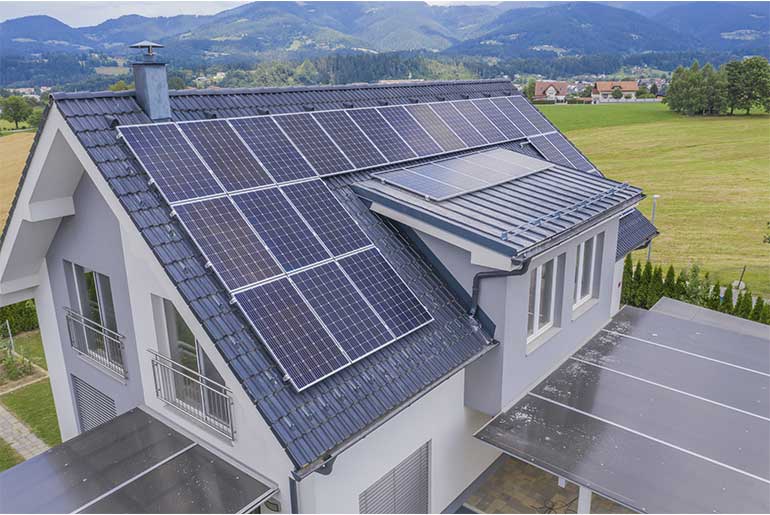
The PM Surya Ghar: Muft Bijli Yojana (PMSG: MBY) has benefited more than 48 lakh households across India since its launch in February 2024, driving the adoption of rooftop solar (RTS) systems in both urban and rural areas.
According to the latest data shared by the Ministry of New and Renewable Energy (MNRE), a total of 39,72,447 rooftop solar systems have been installed under the scheme as of July 22, 2026, benefiting 48,02,717 households across the country, including rural households.
The scheme, which is demand-driven, is open to all residential electricity consumers in the country, including those in rural areas, provided they have a grid-connected electricity connection with their local electricity distribution company (DISCOM).
Eligible consumers can apply for the scheme through the National Portal at www.pmsuryaghar.gov.in to install rooftop solar systems at their homes and access the benefits available under the programme.
The pace of rooftop solar deployment has also increased significantly in recent years. During 2025-26, a total of 18.71 lakh rooftop solar systems were installed, representing a cumulative installed solar capacity of 6.7 GW. These installations benefited 22.71 lakh households across the country, including households in rural areas.
The scheme is also helping households reduce their electricity expenses. According to data reported by DISCOMs across the country, more than 18.93 lakh beneficiaries have received zero electricity bills during at least one month or billing period after installing rooftop solar systems under the scheme.
However, the extent of savings and the possibility of achieving a zero electricity bill depend on factors such as the household’s electricity consumption, rooftop solar generation and the amount of electricity that is consumed directly by the household.
The PM Surya Ghar scheme is primarily focused on supporting rooftop solar installations in the residential sector. However, the programme also envisages the installation of rooftop solar systems on government and commercial buildings, including educational and health institutions.
These categories of consumers, however, are not eligible for Central Financial Assistance (CFA) under the scheme. According to the government, rooftop solar installations in these segments are financially viable even without central financial support.
The expansion of residential rooftop solar under the scheme is expected to contribute to India’s broader renewable energy goals while enabling households to generate clean electricity closer to the point of consumption. The growing adoption of distributed solar systems could also help reduce dependence on conventional grid electricity and lower electricity costs for participating consumers.
With nearly 40 lakh rooftop solar systems installed since its launch, the PM Surya Ghar scheme has emerged as a key government initiative to accelerate residential solar adoption and expand access to decentralised clean energy across India.
 Electrify your feed! Click here to join our Whatsapp group and to get the latest updates, expert insights, and innovations driving India’s energy storage revolution.