Power Grid Corporation of India Limited (POWERGRID), a Central Public Sector Enterprise under the Ministry of Power, has emerged as the winning bidder for a 3 GW renewable energy transmission project in Karnataka. The announcement was made through formal disclosures to the National Stock Exchange (NSE) and BSE Limited on January 8, 2026.
The project will strengthen grid infrastructure for integrating renewable energy generation at Davanagere and Bellary, facilitating evacuation of 0.25 GW at Davanagere and 2.75 GW at Bellary. This initiative is expected to boost the region’s green power transmission capabilities while ensuring grid reliability and stability.
Execution on BOOT Basis
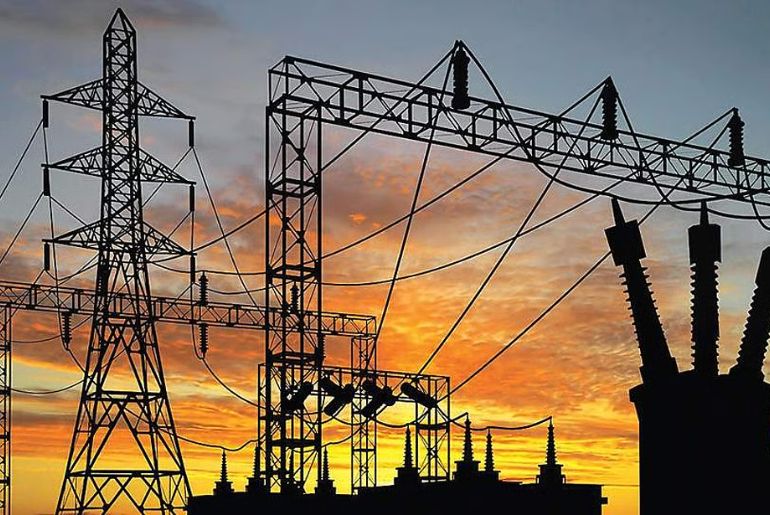
The Letter of Intent (LoI) for the project was issued on January 7, 2026, and accepted the following day. The project will be implemented on a Build, Own, Operate, and Transfer (BOOT) basis. POWERGRID will construct a 400 kV double-circuit transmission line, linking key renewable hubs to the national grid.
The scope also includes construction of associated line bays at both ends and significant augmentation at existing pooling stations. This involves installing interconnecting transformers and additional line bays at Davanagere and Bellary, enabling the system to manage higher renewable inflows efficiently.
Regulatory Compliance and Disclosure
The disclosure was made in line with Regulation 30 of SEBI (Listing Obligations and Disclosure Requirements) Regulations, 2015. It was signed by Satyaprakash Dash, Company Secretary and Compliance Officer of POWERGRID, highlighting the company’s commitment to regulatory compliance and transparency.
Supporting India’s Renewable Integration
This project complements POWERGRID’s broader efforts in renewable integration, including its recent 150 MW Battery Energy Storage System (BESS) project at the Kalikiri substation, which enhances grid flexibility and storage capabilities.
With renewable energy capacity rapidly increasing across India, such transmission projects are critical to enabling higher renewable penetration, minimizing curtailment, and supporting the nation’s goal of a reliable, sustainable, and low-carbon power sector. The Karnataka project marks a significant step in strengthening inter-state renewable energy transmission infrastructure.
 Electrify your feed! Click here to join our Whatsapp group and to get the latest updates, expert insights, and innovations driving India’s energy storage revolution.