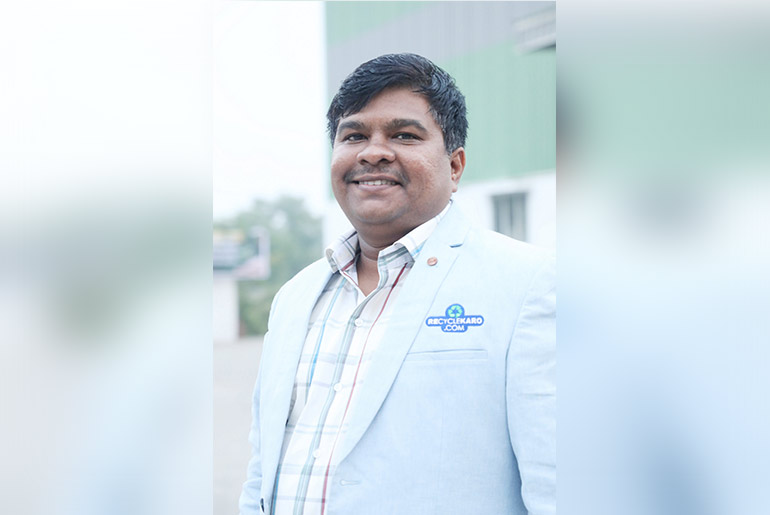
What if battery waste wasn’t a burden—but a goldmine for the future? In a world obsessed with building the next powerful battery, Rajesh Gupta, Founder & Director of RecycleKaro, is focused on a different kind of power: closing the loop before we run out of time.
In an era where sustainability is often just a slide in a pitch deck, Gupta brings gritty realism and sharp foresight to the battery industry’s blind spots—highlighting the urgent need for smarter design, ethical sourcing, and truly circular thinking. His approach isn’t just technical—it’s transformative. With India’s EV push gaining serious traction, RecycleKaro is placing itself at the heart of a revolution that blends chemistry, compliance, and climate responsibility.
In a candid and deeply insightful conversation with Shweta, Sub-Editor at The Battery Magazine, Gupta doesn’t just talk about what’s next in solid-state, silicon, or black mass. He lays out a roadmap for a battery ecosystem that’s cleaner, leaner, and ready for scale. This isn’t about chasing the future—it’s about engineering it from the inside out.
Let’s dive into the full conversation—and discover how RecycleKaro is rewriting the story of energy, one recycled cell at a time.
1. What are the key limitations of current lithium-ion battery technologies when it comes to energy density, and how are researchers trying to overcome them?
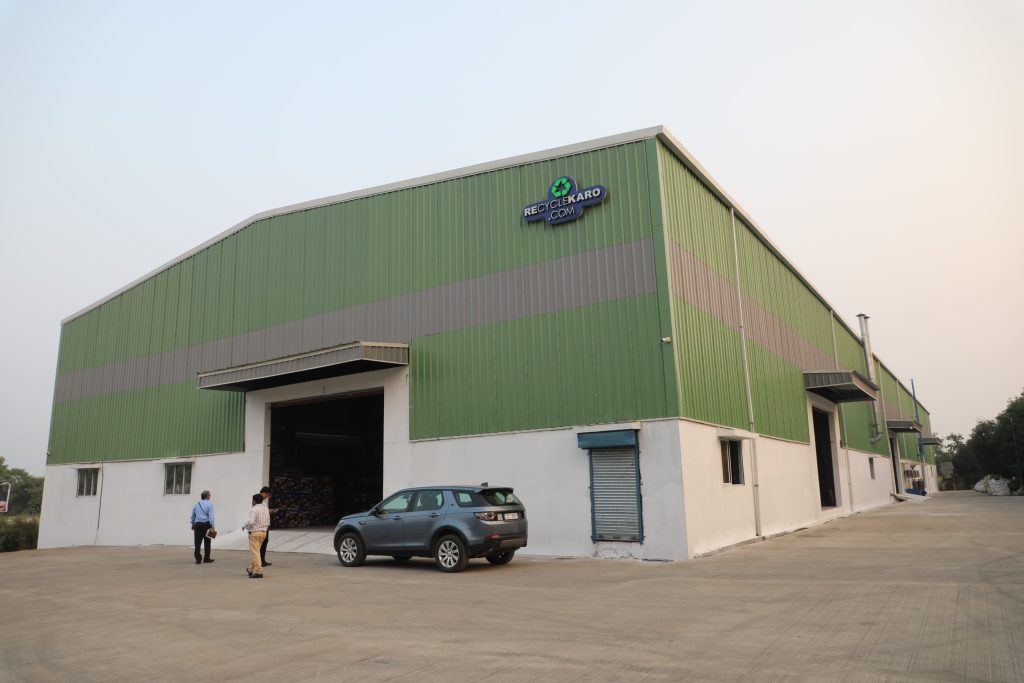
Lithium-ion batteries are limited by the theoretical energy capacity of their electrode materials, especially graphite anodes and liquid electrolytes. To overcome this, researchers are developing alternatives like silicon anodes, which offer 10x higher capacity, and exploring lithium-metal and solid-state configurations. These promise higher energy density, but face challenges in stability, cost, and scalability. Innovations in electrolyte formulations and nano-structured electrodes are also underway to improve performance without compromising safety. At RecycleKaro, we track these advances closely because higher density means fewer materials per unit of energy—and that reshapes everything from supply chains to recycling economics.
2. How do you assess the commercial viability of next-gen battery technologies like solid-state, lithium-sulfur, or silicon-anode batteries?
These technologies are highly promising, but commercial viability depends on achieving scale, safety, and cost parity with lithium-ion. Solid-state batteries solve flammability issues but struggle with dendrite growth and temperature sensitivity. Lithium-sulfur offers a lighter, higher-capacity alternative but faces rapid degradation. Silicon anodes improve energy density but cause swelling. While prototypes show strong potential, mass-market integration will likely take 3–5 years. Our recycling R&D anticipates these chemistries, ensuring our systems evolve alongside battery innovation, helping us recover value efficiently from tomorrow’s batteries.
3. How important is balancing energy density with battery safety, and what design trade-offs are commonly made in this space?
Balancing energy density and safety is crucial. High energy density can lead to thermal instability, which increases the risk of fires or explosions. Manufacturers often trade off by reducing charge rates or operating voltages, adding cooling systems, or integrating safer but heavier chemistries. For instance, lithium iron phosphate (LFP) sacrifices some energy density for greater thermal stability. At scale, safety is not optional—it’s integral. Recycling systems must also adapt to handle unstable batteries safely. That’s why at RecycleKaro, we invest in fireproof storage, safe dismantling processes, and automation to handle diverse battery designs.
4. Can you walk us through a breakthrough in energy storage innovation that you believe could disrupt the battery industry in the next five years?
Solid-state battery technology holds the most disruptive potential. It replaces flammable liquid electrolytes with solid materials, enabling higher energy densities, faster charging, and longer life cycles with reduced fire risk. Major players are targeting commercial launches by 2027. If scaled successfully, solid-state batteries could transform EV design, reduce dependency on cobalt, and lower long-term costs. Another game-changer is the integration of AI for battery health prediction and lifecycle extension, which will significantly impact second-life usage and recycling efficiency—two pillars of the circular battery economy we’re building at RecycleKaro.
5. Given the geopolitical and environmental challenges of lithium and cobalt mining, how are companies working to secure a more stable and ethical supply chain?
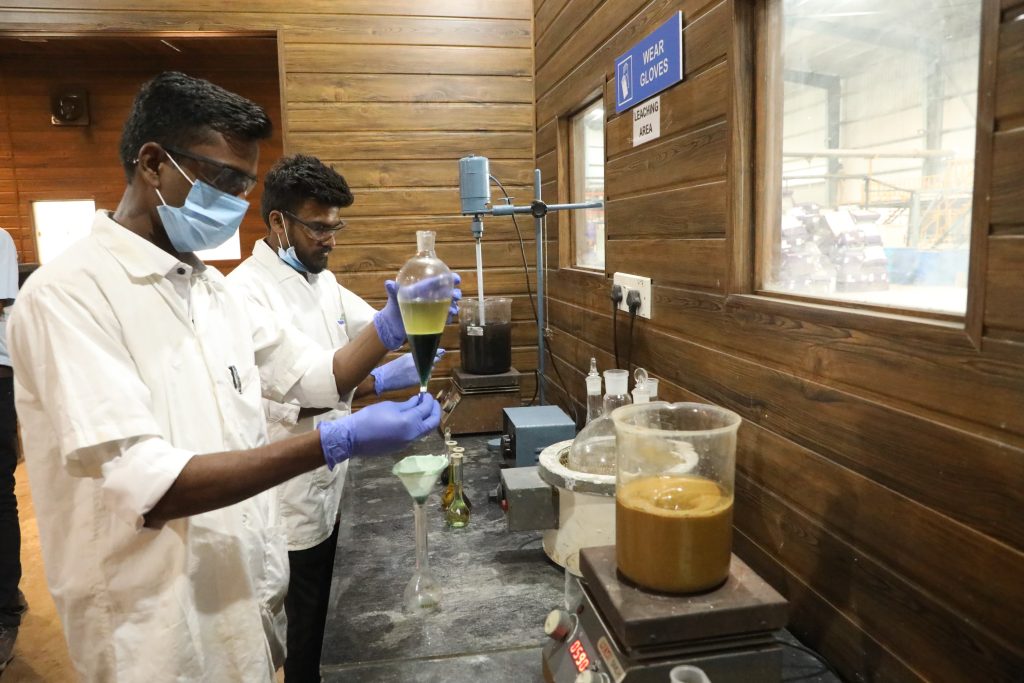
Companies are diversifying sourcing by exploring newer reserves in Africa, Australia, and South America, while also investing in ethical mining audits and supply chain transparency tools like blockchain. However, this isn’t enough. The future lies in circular strategies—recycling critical minerals from end-of-life batteries and reducing fresh extraction. At RecycleKaro, we’ve developed a low-emission hydrometallurgical process to extract lithium, cobalt, and nickel locally, helping reduce import dependency and environmental impact. India’s National Critical Mineral Mission is a step in the right direction to align sustainability with mineral security.
6. What role does battery recycling and second-life battery use play in reducing pressure on raw material supply chains?
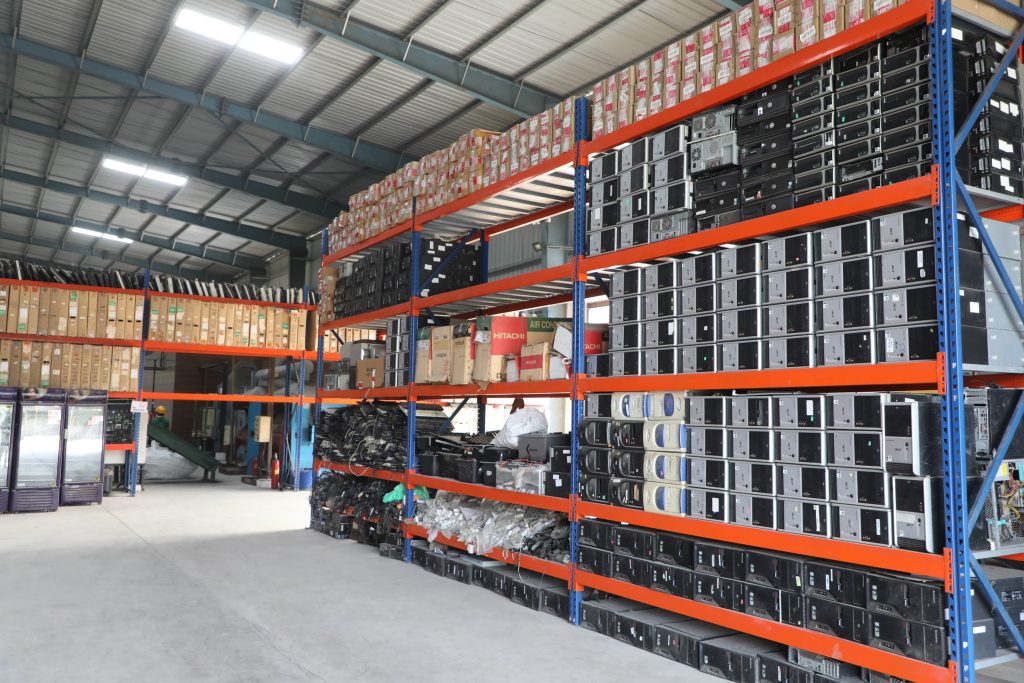
Recycling and second-life use are crucial to building a resilient battery ecosystem. Every ton of lithium-ion batteries recycled can recover up to 95% of valuable metals, easing the need for new mining. Second-life applications—like stationary energy storage—extend battery utility by 5–10 years before final recycling. At RecycleKaro, we aim to close the loop through advanced material recovery and reusability frameworks, targeting 50% circularity in battery materials by 2030. This not only ensures material security but also aligns with global decarbonization goals.
7. How are battery manufacturers adapting to regulatory pressures around sustainability, traceability, and carbon footprint reduction?
Manufacturers are now embedding sustainability into design and supply chains. Battery passports—digital IDs tracking origin, composition, and lifecycle—are gaining traction globally. Europe’s Battery Regulation and India’s Battery Waste Management Rules mandate traceability and Extended Producer Responsibility (EPR). Manufacturers are also adopting cleaner chemistries, investing in green logistics, and collaborating with recyclers to reduce lifecycle emissions. RecycleKaro partners with OEMs to help them comply with EPR, optimize takeback systems, and integrate circular solutions that meet regulatory and ESG benchmarks.
8. How do localized battery manufacturing hubs help de-risk the global battery supply chain, especially for growing EV and energy storage markets?
Localized hubs reduce logistical risks, geopolitical dependency, and carbon footprints while boosting job creation. India’s PLI (Production Linked Incentive) schemes and push for giga-factories aim to make the country self-reliant in cell manufacturing. However, localization must include end-of-life management. At RecycleKaro, we’re setting up regional recycling and repurposing centers to complement battery manufacturing clusters. This ensures a full-circle ecosystem—from production to disposal—right within domestic borders, making the supply chain more resilient, sustainable, and future-ready.
 Electrify your feed! Click here to join our Whatsapp group and to get the latest updates, expert insights, and innovations driving India’s energy storage revolution.