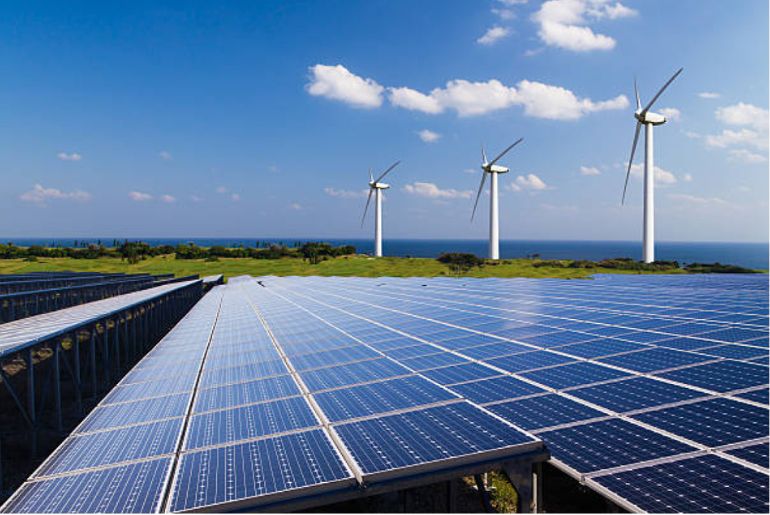
The Solar Energy Corporation of India (SECI) has issued a tender for a 700 MW (AC) ground-mounted solar project at Radha Nesda, Banaskantha district, Gujarat. The tender specifically covers the balance-of-system (BOS) scope, requiring qualified contractors to undertake comprehensive engineering, procurement, and construction work, excluding the solar modules and transformers, which will be supplied by SECI.
The project is structured on a turnkey basis, with a strict completion schedule of 19 months from award. Contractors are responsible for receiving, handling, and securely storing SECI-supplied modules and transformers at the project site. The scope further includes civil works, installation, obtaining necessary permits and licenses, and conducting performance demonstration tests to ensure the plant meets all functional guarantees before formal handover and commissioning.
Five-Year Operations and Maintenance
SECI has mandated a five-year operations and maintenance (O&M) period, encompassing preventive maintenance such as module cleaning and electrical health checks, as well as corrective maintenance to ensure maximum plant uptime and efficiency. This approach ensures the long-term reliability and performance of the solar project.
Compliance and Safety Standards
The tender requires contractors to adhere to strict safety protocols and site regulations, including the provision of personal protective equipment (PPE). Additionally, contractors must maintain a vegetarian-only site until the O&M phase begins, and all major equipment must possess valid test certificates from NABL-accredited or government-approved testing centers. This ensures quality, regulatory compliance, and safe execution of the project.
Supporting India’s Renewable Energy Goals
This tender reflects SECI’s continued commitment to expanding utility-scale solar capacity in Gujarat and strengthening the country’s renewable infrastructure. By separating module supply from BOS execution, SECI encourages competitive bidding, maintains high-quality standards, and ensures efficient deployment of solar power projects. The initiative supports India’s goal of a low-carbon, sustainable electricity grid, contributing to the nation’s broader renewable energy and climate objectives.
 Electrify your feed! Click here to join our Whatsapp group and to get the latest updates, expert insights, and innovations driving India’s energy storage revolution.