India’s energy landscape is undergoing a rapid transformation driven not only by policy support but also by changing consumer behaviour. With rising fuel costs and growing environmental awareness, electric mobility is steadily moving from niche adoption to mainstream acceptance across the country. Recent industry data highlights this shift clearly, showing strong momentum in electric vehicle (EV) sales and supporting infrastructure.
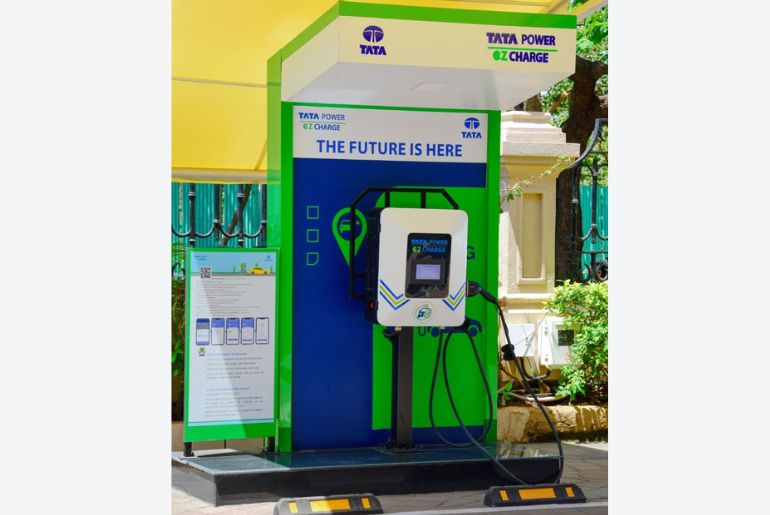
Tata Power is playing a key role in enabling this transition through its expanding EV charging ecosystem. As one of India’s largest integrated power companies and operators of a widespread charging network, Tata Power has significantly strengthened the country’s EV infrastructure. The company has facilitated over 7.5 lakh charging sessions, supported approximately 414 million green miles, and helped avoid nearly 50,000 tonnes of CO₂ emissions from tailpipe pollution, underscoring its impact on sustainable mobility.
To further expand accessibility, Tata Power EZ Charge is adding new charging stations across strategic locations. These include Kopa Mall in Pune, Indian Oil Corporation (IOCL) outlets along both sides of the Ahmedabad–Vadodara Expressway, and a Shapoorji Pallonji Mini Hub in Kolkata equipped with six charging guns. These installations are designed to improve convenience for EV users in both urban centres and high-traffic highway corridors, making charging more reliable and widely available.
India’s EV market has witnessed significant growth, with total sales crossing 2.55 million units in FY2026. All major vehicle segments, including two-wheelers, three-wheelers, passenger vehicles, and commercial fleets, have recorded double-digit growth rates, reflecting broad-based adoption.
As more consumers shift toward electric vehicles for both economic and environmental reasons, the need for robust charging infrastructure continues to grow. Tata Power’s expanding network is helping bridge this gap by ensuring that infrastructure development keeps pace with EV adoption. From residential complexes and corporate campuses to highways and urban hubs, the company’s initiatives are supporting a cleaner, smarter, and more sustainable mobility ecosystem in India.
 Electrify your feed! Click here to join our Whatsapp group and to get the latest updates, expert insights, and innovations driving India’s energy storage revolution.