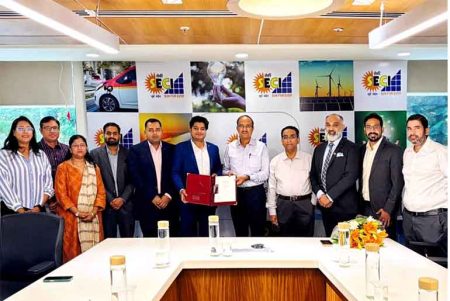

Tamil Nadu Green Energy Corporation Limited (TNGECL) is planning to launch an online portal on October 1 to streamline applications for new renewable energy projects in the state. The proposed platform will allow renewable energy developers and investors to submit project proposals and complete the application process digitally.
The application procedure is expected to comprise 10 stages, beginning with the submission of basic project details, payment of the application fee and furnishing of a security deposit. The proposed project will then undergo validation by the Superintending Engineer (Solar), with the validation process expected to be completed within 10 days.
Developers will be required to respond to any clarifications raised during the application process within 30 days. Following acceptance of a proposal, TNGECL will prepare a feasibility report. Developers will subsequently have up to six months to submit the required land-related documents.
The later stages of the process will cover statutory clearances and connectivity requirements. Once the necessary approvals and connectivity arrangements are completed, developers will be able to proceed with construction of their renewable energy projects.
The proposed portal is expected to cover connectivity applications for wind, solar and hybrid renewable energy projects, including projects integrated with battery energy storage systems (BESS).
TNGECL is also targeting the addition of at least 1,500 MW of solar power capacity along with BESS by the end of the current financial year. The planned capacity expansion forms part of the state’s broader efforts to increase renewable power availability and strengthen its electricity infrastructure.
The proposed online application system comes alongside existing connectivity procedures prescribed by the Tamil Nadu Electricity Regulatory Commission (TNERC) for connecting renewable energy projects to the intra-state transmission system. The implementation of the portal will determine how the new application formats align with the procedures and formats already specified under TNERC regulations.
The proposed process also includes requirements related to environmental and pollution-control clearances, as well as a Unique ID issued by the Central Electricity Authority (CEA), with the applicability and timing of these requirements forming part of the project approval process.
 Electrify your feed! Click here to join our Whatsapp group and to get the latest updates, expert insights, and innovations driving India’s energy storage revolution.