Togo is preparing to launch a pilot program for green energy storage following an agreement signed by the French Development Agency and the Global Energy Alliance for People and Planet (GEAPP) to provide 112 million CFA francs ($200,000) to fund feasibility studies. This announcement was made during the annual IMF and World Bank meetings in Washington.
The project is under the Mission 300 National Energy Pact of the country that has an initial capacity of 55 megawatts (MW). The agreement will achieve universal access to electricity by 2030 because today Togo has difficulties with supplying power to approximately 40 percent of the population. The target of the country is to increase the proportion of renewable energy to 63 percent of the installed capacity by 2030 as compared with about 26 percent of the installed capacity today.
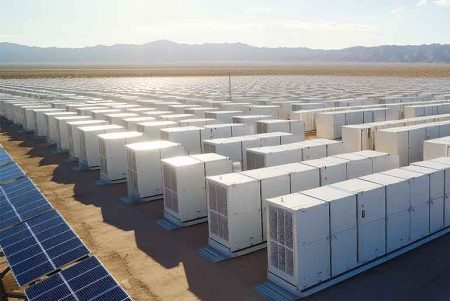
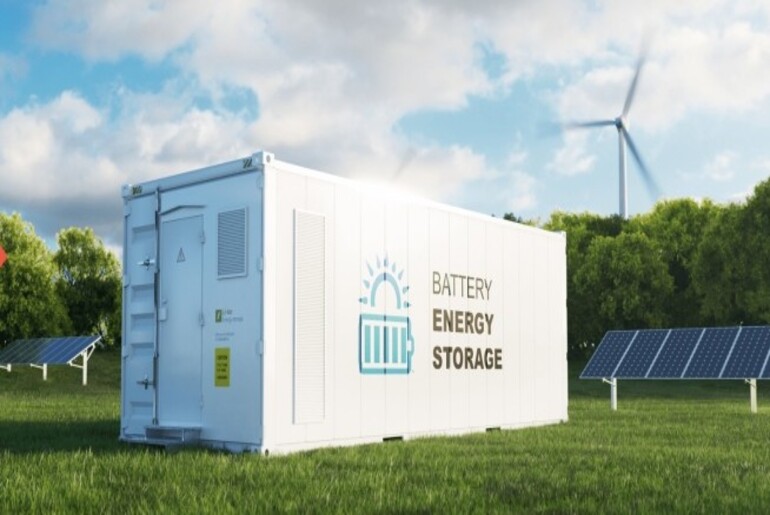
Battery energy storage (BESS) will be used to stabilize the national grid and provide a renewable power source to offset the intermittency of solar energy, which is usually supplemented by thermal power or importation of power in the evenings. The project will also involve the creation of a national roadmap towards the gradual implementation of the technology with a projected capacity target of 156 megawatt-hours (MWh) by 2030.
Rémy Rioux, CEO of the AFD Group, said the project “brings tangible benefits to the people: reliable electricity, energy security, and new economic opportunities.”
GEAPP CEO Woochong Um hailed the initiative as an example of Togo’s leadership in Africa’s energy transition, combining innovation with sustainable social impact.
“Togo’s ambitious energy commitments will deliver clean power, clean air, jobs, and opportunities for millions,” Um said. “This is what true leadership looks like: setting bold national goals and practical pathways to reach them.”
On the 24th of September, 2025, Togo was one of 17 African countries to sign a “National Energy Pact” in New York as part of the World Bank and African Development Bank-led Mission 300. The broad target is to bring 300 million Africans into the world of electricity by 2030.
 Electrify your feed! Click here to join our Whatsapp group and to get the latest updates, expert insights, and innovations driving India’s energy storage revolution.