
The Assam government has announced an ambitious plan to transform the state’s power sector through investments worth ₹77,353 crore. The initiative aims to develop electricity generation projects with a combined capacity of 8,457 MW, positioning Assam to become an energy-surplus state in the years ahead. The roadmap reflects the government’s long-term vision of strengthening power infrastructure while supporting sustained industrial and economic growth.
The proposed investment aims to substantially increase electricity generation in Assam from a variety of energy sources. The state is aiming to reduce dependence on electricity imports from other regions by increasing domestic power generation and ensuring a stable and reliable power supply for households, businesses, industries and essential public infrastructure. The additional capacity will also go towards helping to meet the increasing demand for electricity in the face of urbanisation, industrial expansion and overall economic development.
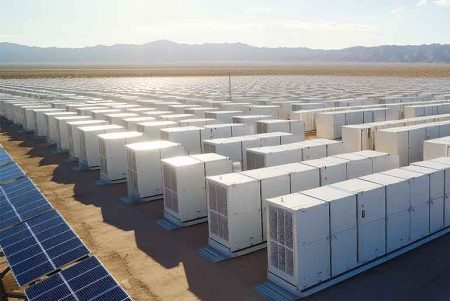
The large-scale programme is expected to improve Assam’s energy security by developing a diversified power generation portfolio that meets future demand. The adoption of hybrid energy initiatives is expected to improve grid resilience and operational agility while reducing the risks associated with fuel scarcity or supply interruptions. This diversified approach will contribute to a more resilient and sustainable power sector.
The state also expects to see major economic opportunities from becoming energy-surplus. A reliable and adequate power supply remains a major consideration for industrial investment, and better power availability is likely to attract manufacturing units, technology parks, commercial establishments, and energy-intensive industries. This would, in turn, lead to employment creation and improve the overall economic competitiveness of Assam. Surplus generation of electricity can also enable the state to sell power to neighbouring states, thus creating an additional stream of revenue.
The investment programme is also expected to trigger significant infrastructure development in the power sector. New generation facilities will also be key, but investments in transmission networks, substations, grid modernisation and distribution systems will be critical to enable the efficient transmission and distribution of the additional electricity. The overall power infrastructure is expected to be improved to enhance service reliability, reduce transmission losses and improve access to electricity in both urban and rural areas.
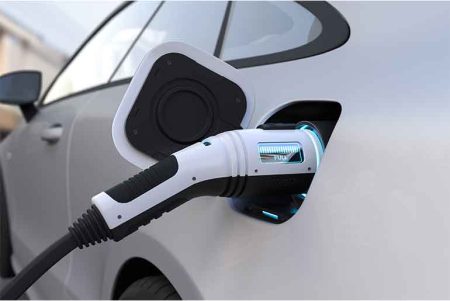
The move also fits with India’s wider aim of expanding its electricity infrastructure and promoting cleaner and more sustainable energy development. Depending on the final project mix, the programme may include both renewable energy technologies and traditional power generation. This will allow Assam to play its part in the country’s clean energy transition while ensuring reliable baseload power. Modern power infrastructure will also enable the growth of emerging sectors such as electric mobility, digital services and advanced manufacturing, all of which rely on the power supply.
Assam is poised for a major transformation of its energy landscape with an investment of ₹77,353 crore and a planned generation capacity of 8,457 MW. If successfully implemented, the programme has the potential to boost energy security, accelerate industrial growth, generate employment, improve infrastructure and position the state as a key power hub in northeastern India. This ambitious expansion reflects Assam’s commitment to building a modern, resilient and future-ready power sector that can sustain long-term economic progress and sustainable development.
 Electrify your feed! Click here to join our Whatsapp group and to get the latest updates, expert insights, and innovations driving India’s energy storage revolution.