Close Menu
The Battery MagazineThe Battery Magazine
  • Just In
  • Batteries
    • Battery Manufacturing (BESS)
    • Battery Materials & Chemistries
    • Battery Recycling
    • C&I Storage
  • Solar
  • Renewable energy
    • Wind Energy
    • Hydropower
    • Green Hydrogen
    • Bioenergy
  • Tenders
    • Energy Storage
    • Solar Energy
    • Wind Energy
  • Policy
    • Storage
    • Solar
    • Wind
    • EV
    • Transmission
  • EV
    • EV Batteries
    • EV Charging Infrastructure
    • Electric Mobility Trends
  • Grid
    • Transmission & Distribution
    • Grid Infrastructure
    • Power Generation
    • Power Equipments
  • Exclusive
    • Cover Story
    • Watt Matters
    • Perspective
    • Articles
  • More
    • E-Mag
    • Events
    • Contact Us
Facebook LinkedIn WhatsApp
The Battery MagazineThe Battery Magazine
  • Just In
  • Batteries
    • Battery Manufacturing (BESS)
    • Battery Materials & Chemistries
    • Battery Recycling
    • C&I Storage
  • Solar
  • Renewable energy
    • Wind Energy
    • Hydropower
    • Green Hydrogen
    • Bioenergy
  • Tenders
    • Energy Storage
    • Solar Energy
    • Wind Energy
  • Policy
    • Storage
    • Solar
    • Wind
    • EV
    • Transmission
  • EV
    • EV Batteries
    • EV Charging Infrastructure
    • Electric Mobility Trends
  • Grid
    • Transmission & Distribution
    • Grid Infrastructure
    • Power Generation
    • Power Equipments
  • Exclusive
    • Cover Story
    • Watt Matters
    • Perspective
    • Articles
  • More
    • E-Mag
    • Events
    • Contact Us
LinkedIn Facebook WhatsApp YouTube
The Battery MagazineThe Battery Magazine
Home » EV & Automotive » BMW Targets Zero-Defect EV Batteries with AI-Driven Production for Neue Klasse Models
EV & Automotive

BMW Targets Zero-Defect EV Batteries with AI-Driven Production for Neue Klasse Models

Shweta KumariBy Shweta KumariJuly 16, 20253 Mins Read
Facebook Twitter LinkedIn WhatsApp
BMW adopts AI-driven production to deliver zero-defect EV batteries for its Neue Klasse lineup launching this year.

As the global electric vehicle (EV) market rapidly expands, German automaker BMW is doubling down on reliability with a bold goal: zero-defect, worry-free EV batteries. With the launch of its highly anticipated Neue Klasse EV lineup later this year, the company is deploying AI-supported quality control systems and next-generation manufacturing processes to ensure its high-voltage batteries are flawless.

Speaking about the strategy, Markus Fallböhmer, Director of Battery Production at BMW AG, stated, “We are pursuing a consistent zero-defect approach for the production of our high-voltage batteries. We accomplish this by integrating highly intelligent, AI-supported quality checks into the production process.”

AI-Powered Assurance from Cell to Pack

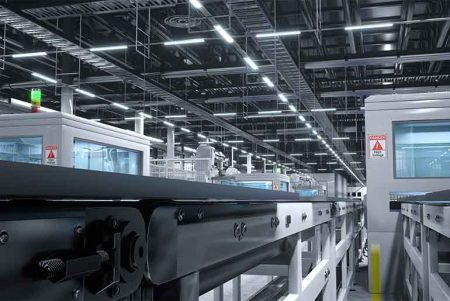
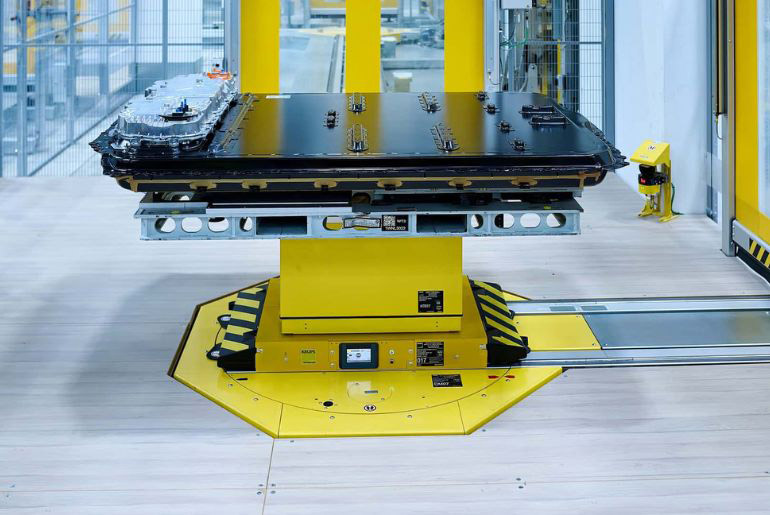
BMW is using advanced artificial intelligence and automation throughout the battery production line—from sourcing to final inspection. Each cylindrical cell sourced from partner suppliers undergoes individual inspection before being integrated into what BMW calls a cell cluster. These cells are connected to cooling elements, laser-cleaned, and precision-welded in a tightly monitored and automated process.

A critical part of this assembly includes foaming, which adds structural integrity and protection to the battery. In the Neue Klasse architecture, the battery is no longer a separate module—it becomes an integrated part of the vehicle’s structure, improving safety and space efficiency.

At the end of the production line, each battery pack—including the central control unit—is subjected to a comprehensive end-of-line inspection to ensure full compliance with quality and performance standards.

Global Battery Network Taking Shape

BMW’s approach isn’t just technical—it’s also strategic. The company is working with multiple global battery suppliers to deliver cylindrical cells to its own battery assembly plants, which are being built near vehicle production facilities for operational efficiency and logistical resilience.

BMW will soon operate at least five battery manufacturing facilities across three continents, including sites in the United States and Mexico. To refine the processes used at these large-scale plants, pilot facilities have been operational since 2023, allowing BMW to perfect the technology and quality systems before full-scale rollout.

This localized production strategy aims to reduce transportation costs, improve supply chain reliability, and buffer against political or trade-related disruptions.

Neue Klasse: The Next Generation of BMW EVs

The Neue Klasse platform represents a significant leap for BMW in terms of EV design, performance, and manufacturing. The first vehicles in the lineup include the iX3 crossover, larger iX5 and iX7 SUVs, and a fully electric version of the 3 Series sedan. These vehicles will benefit from a cutting-edge 800-volt electrical architecture, promising faster charging times, higher energy efficiency, and more powerful performance.

BMW’s zero-defect battery initiative is positioned not only as a quality assurance measure but also as a consumer confidence strategy. With high-voltage batteries among the most expensive components in an EV, reducing the risk of failure is crucial to broadening mainstream adoption.

As battery costs remain high and replacement remains a concern for buyers, BMW’s move toward AI-driven perfection may help alleviate consumer hesitation, reinforcing the brand’s promise of performance, reliability, and peace of mind in the electric era.

whatsapp icon Electrify your feed! Click here to join our Whatsapp group and to get the latest updates, expert insights, and innovations driving India’s energy storage revolution.

Battery Innovation electric vehicles
Shweta Kumari
  • Website
  • LinkedIn

Sub-editor by profession. Love for words and storytelling, where every word narrates a story. Shaping stories in a world powered by electrons—where lithium meets logic, and every spark tells a tale of innovation, sustainability, and our electrified future.

Keep Reading

NavPrakriti and IIT Kharagpur

NavPrakriti and IIT Kharagpur Partner to Advance Battery Recycling and Critical Mineral Recovery

Advait Energy Secures 150 MW/300 MWh BESS Project from GUVNL

Advait Energy Secures 150 MW/300 MWh BESS Project from GUVNL

SJVN Flags

SJVN Flags Renewable Power Demand Gap Amid Rising Capacity Additions

Comments are closed.

Renewable energy
PIP Partners with Fourier to Deploy Hydrogen-Powered Energy Storage System in Gujarat

PIP Partners with Fourier to Deploy Hydrogen-Powered Energy Storage System in Gujarat

June 4, 2026
IIT Guwahati

IIT Guwahati Develops Perovskite Technology Achieving 25.73% Solar Cell Efficiency

June 4, 2026
India’s Clean Energy Sector

India’s Clean Energy Workforce Grows by 6.6 Lakh, Rooftop Solar Leads Job Creation

June 4, 2026
SJVN Flags

SJVN Flags Renewable Power Demand Gap Amid Rising Capacity Additions

June 4, 2026
Batteries
NavPrakriti and IIT Kharagpur

NavPrakriti and IIT Kharagpur Partner to Advance Battery Recycling and Critical Mineral Recovery

June 4, 2026
Advait Energy Secures 150 MW/300 MWh BESS Project from GUVNL

Advait Energy Secures 150 MW/300 MWh BESS Project from GUVNL

June 4, 2026
cylib and Vianode

cylib and Vianode Partner to Advance Recycled Graphite for EV Batteries

June 4, 2026
Trina Storage

Trina Storage Wins 160 MWh Ultra-High Voltage Battery Project in Japan’s Kyushu Region

June 3, 2026

Subscribe for Updates

Get the latest news about energy storage in your inbox.

    © 2026 Thebatterymagazine.com.
    • Home
    • About Us
    • Contact Us
    • Privacy Policy
    • Terms of Service

    Type above and press Enter to search. Press Esc to cancel.