Brazil could increase its oil production to 4.9 million barrels per day by 2036, while investments in expanding and modernising its energy infrastructure are projected to reach approximately R$ 3.3 trillion between 2027 and 2036. The projections are outlined in the Summary Report for the Ten-Year Energy Expansion Plan 2036 (PDE 2036), released by Brazil’s Ministry of Mines and Energy (MME) and the Energy Research Office (EPE).
The report presents Brazil’s energy supply and demand outlook for the next decade and is open to public feedback through a consultation process. It considers developments in the country’s energy mix, the pace of electrification, and the infrastructure expansion required to strengthen energy security and ensure a reliable supply.
In the natural gas sector, projected net production reaches 135 million cubic meters per day by 2036—an 85% increase compared to 2026. Natural gas is expected to increase its share of the energy matrix, contributing to flexibility in power generation and serving sectors where electrification presents greater challenges.
Despite the projected growth in oil production and refining capacity, Brazil will remain a net importer of petroleum products in 2036. Diesel fuel will continue to be a key focus regarding supply security, with external dependency estimated at around 25% by the end of the projected period.
The plan also forecasts an increase in biofuel production. Ethanol volume is expected to rise from 41.3 billion liters in 2026 to 52.7 billion liters in 2036. Over the same period, biodiesel production will grow from 10.6 billion to 14.8 billion liters.
Other alternatives, such as sustainable aviation fuels (SAF), green diesel, and biomethane, are also expected to gain ground. According to the plan’s outlook, these fuels expand the possibilities for reducing emissions in sectors such as aviation and heavy transport.
The expansion of economic activity and the adoption of new technologies are expected to drive up energy demand in the country. In the PDE 2036 reference scenario, the Domestic Energy Supply is projected to reach 416.6 million tonnes of oil equivalent (toe) by 2036, a 24% increase compared to 2026.
The projected growth in electricity is even more significant. Consumption is expected to rise by an average of 3.4% per year, reaching 979 terawatt-hours (TWh) in 2036. To meet demand and ensure the system’s operational stability, electricity generation is projected to reach 1,133 TWh, up from 829 TWh in 2026.
This increase is linked to the electrification of economic activities and the emergence of new demand drivers, such as electric mobility and data centers. Distributed generation is also expected to increase its share, altering the relationship between electricity production and consumption.
Energy efficiency will help curb demand growth. The gains projected in the plan amount to 53 TWh of avoided electricity consumption over the planning horizon. The share of renewable sources in Brazil’s energy matrix is projected to rise from 50.2% in 2026 to 51.2% in 2036. Within the electricity matrix, the renewable share will remain close to 90%, driven by the expansion of
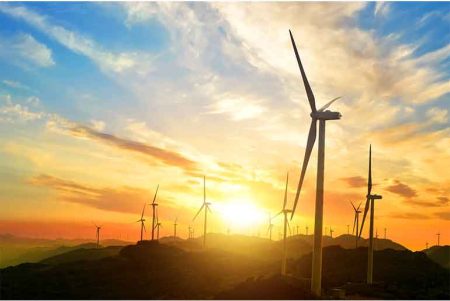
solar and wind generation.Together, these two sources are expected to account for approximately one-third of electricity generation in 2036, up from 28.1% in 2026. However, this growth increases the need for resources capable of balancing supply and demand in the face of fluctuations in solar and wind availability.
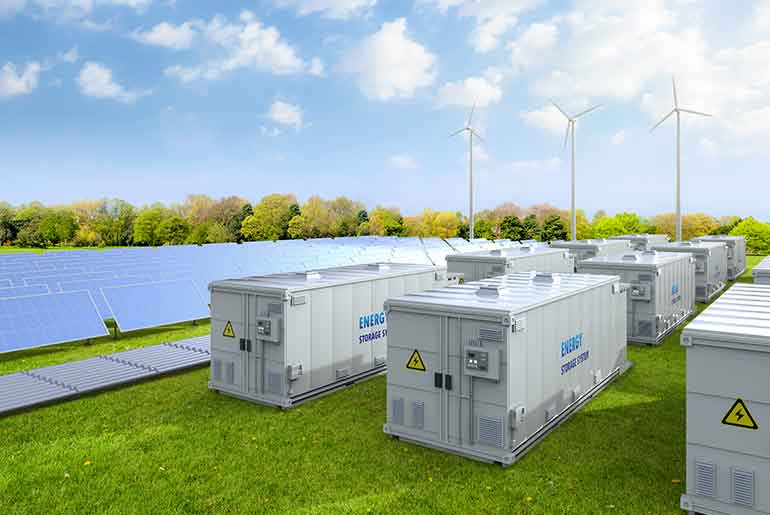
To strengthen grid flexibility, Brazil’s PDE 2036 plan envisages the deployment of 7.2 GW of
battery energy storage systems (BESS) and 4 GW of demand-response resources. The plan also includes pumped-storage hydropower for the first time in its indicative capacity expansion outlook, with a projected 2 GW of installed capacity.
These technologies are expected to enhance the power system’s operational flexibility by storing electricity for use during periods of higher demand, shifting energy availability across different time periods, and adjusting consumption in response to supply conditions and market signals.
 Electrify your feed! Click here to join our Whatsapp group and to get the latest updates, expert insights, and innovations driving India’s energy storage revolution.