The Central Electricity Authority (CEA) has released a draft framework of electrical safety and operational standards covering conventional power infrastructure as well as renewable energy and emerging technologies such as solar, Battery Energy Storage Systems (BESS) and electric vehicle charging.
The draft has been issued by the Chief Electrical Inspectorate (CEI) Division under Regulation 137 of the Central Electricity Authority (Measures relating to Safety and Electric Supply) Amendment Regulations, 2026. The provision requires the CEA to publish relevant safety and operational standards within three months of the regulations taking effect.
The proposed framework brings together applicable Indian Standards (IS) and international standards developed by bodies including the International Electrotechnical Commission (IEC), National Fire Protection Association (NFPA), Institute of Electrical and Electronics Engineers (IEEE) and Underwriters Laboratories (UL).
The standards cover workplace electrical safety, equipment protection and measures intended to reduce risks to workers and the public. Provisions include requirements for electrical tools, insulation, earthing, safety belts, non-conductive ladders, insulating gloves and mats.
The draft also outlines safety requirements for buildings and electrical installations, covering areas such as wiring, earthing, fire protection, danger notices and residual current devices. For buildings exceeding 15 metres in height, the proposed standards include the use of Fire Retardant Low Smoke (FRLS) power cables, while Halogen Free Flame Retardant (HFFR) cables are specified for facilities such as hospitals, airports and hotels.
For high-voltage installations and substations above 650 V, the proposed requirements address safety clearances, transformer fire barriers and automatic fire protection systems. Standards for transmission and distribution infrastructure also cover tower structures, line joints, anti-climbing arrangements and lightning protection, while underground cable provisions include minimum burial depths for cables up to 33 kV.
The draft extends to mining and hazardous areas, with provisions for heavy-duty cables, flame-proof electrical equipment, shot-firing cables, illumination and emergency fire-fighting systems.
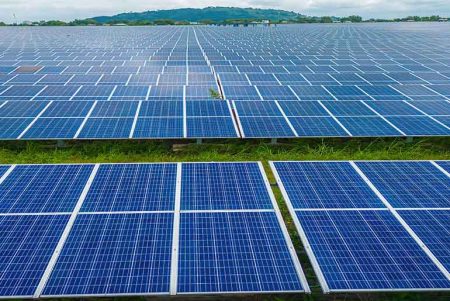
Renewable energy installations are also covered. Solar projects would be required to incorporate measures such as lightning protection, surge protective devices and fire detection systems. For floating solar installations, the draft identifies testing requirements for factors including salt mist, ammonia corrosion and tensile stress associated with HDPE structures.
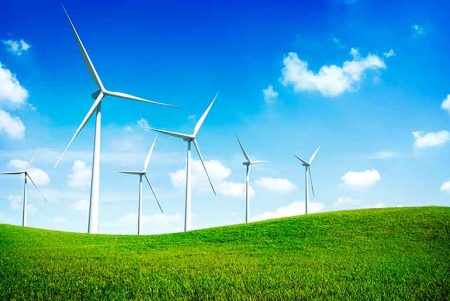
Additional standards have been identified for wind energy systems, EV charging infrastructure, HVDC systems and Gas Insulated Switchgear (GIS).
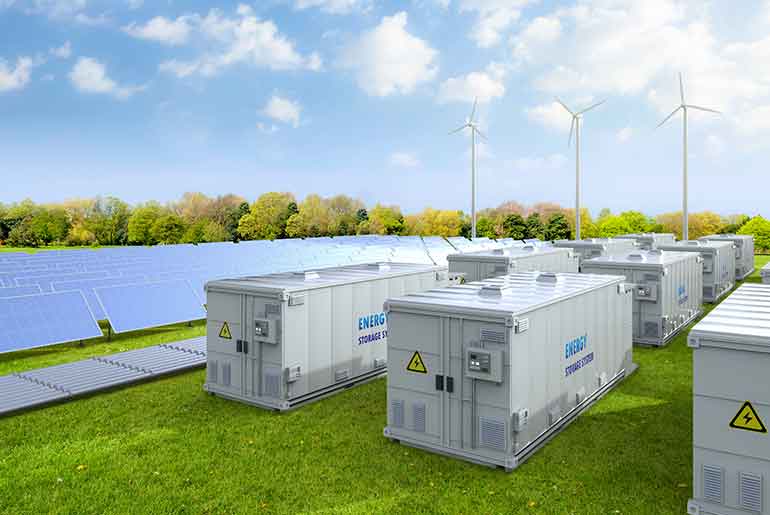
For Battery Energy Storage Systems, the proposed safety framework addresses risks associated with thermal runaway and fire, along with requirements related to fire suppression, HVAC ventilation and electrolyte spill containment.
The CEA has invited comments, suggestions and feedback from stakeholders and members of the public on the proposed standards as part of the consultation process.
 Electrify your feed! Click here to join our Whatsapp group and to get the latest updates, expert insights, and innovations driving India’s energy storage revolution.