The Central Electricity Authority is actively planning and strengthening India’s transmission infrastructure to support the evacuation of 60–70 GW of power annually, aligning with the country’s rapidly expanding renewable energy capacity and growing electricity demand.
Speaking on India’s evolving power sector landscape, CEA Chairperson Ghanshyam Prasad highlighted that the country is witnessing unprecedented growth in renewable energy installations and will require robust transmission networks to ensure seamless integration of new capacity into the grid.
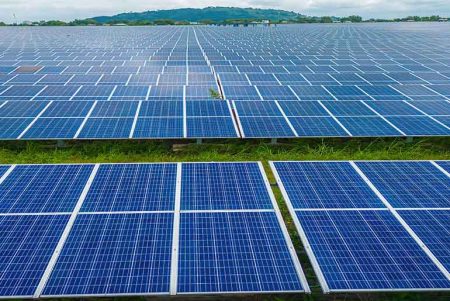
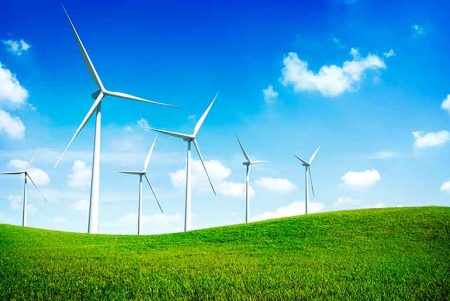
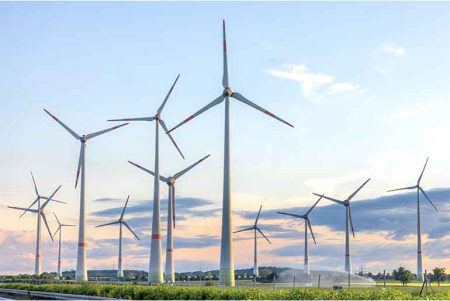
India has been adding renewable energy at a record pace and is targeting significant annual capacity additions over the coming years. To accommodate this growth, the CEA is working closely with transmission utilities and stakeholders to develop a future-ready grid capable of transporting power from renewable energy-rich regions to demand centers across the country.
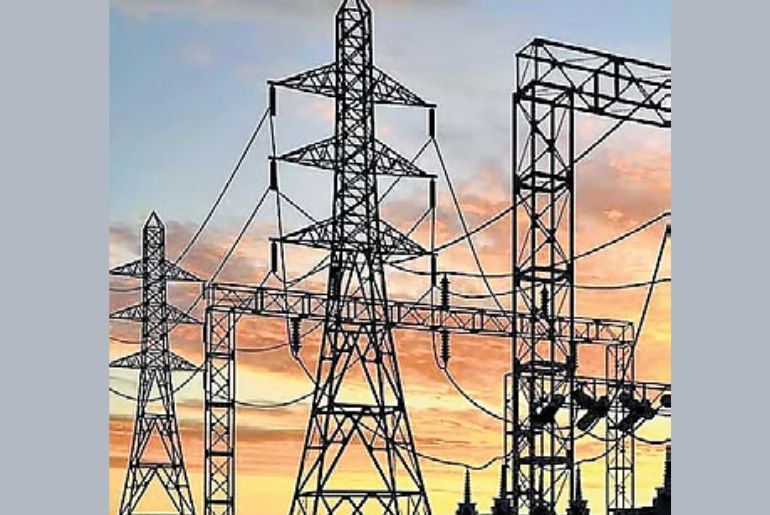
The transmission expansion strategy includes the development of new interstate transmission corridors, high-capacity substations, and advanced grid management systems. These investments are expected to enhance grid reliability, improve power flow management, and facilitate the integration of large-scale solar, wind, and hybrid energy projects.
According to industry experts, transmission infrastructure remains one of the most critical enablers of India’s energy transition. Timely development of evacuation facilities will be essential to avoid bottlenecks and ensure that renewable energy projects can deliver electricity efficiently to consumers.
The government has been prioritizing transmission planning through initiatives such as the Green Energy Corridor program and other grid modernization efforts. These projects aim to strengthen the national grid and support the country’s target of achieving substantial non-fossil fuel power capacity by 2030.
As renewable energy deployment accelerates, the CEA’s focus on transmission readiness is expected to play a key role in maintaining grid stability, ensuring reliable power supply, and enabling India’s transition toward a cleaner and more sustainable energy future.
 Electrify your feed! Click here to join our Whatsapp group and to get the latest updates, expert insights, and innovations driving India’s energy storage revolution.