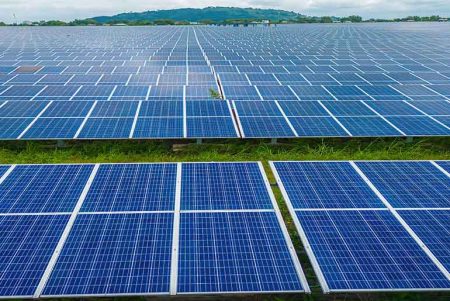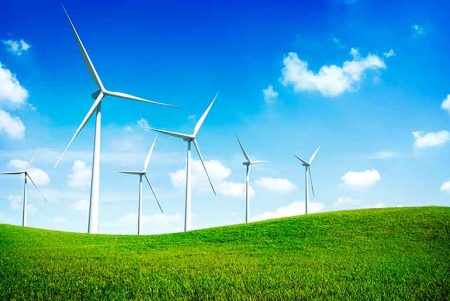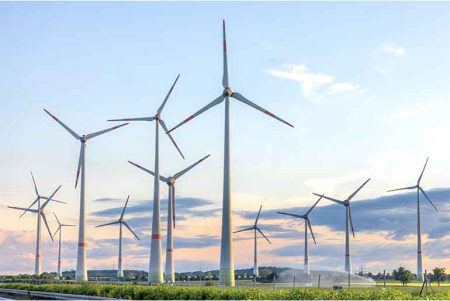
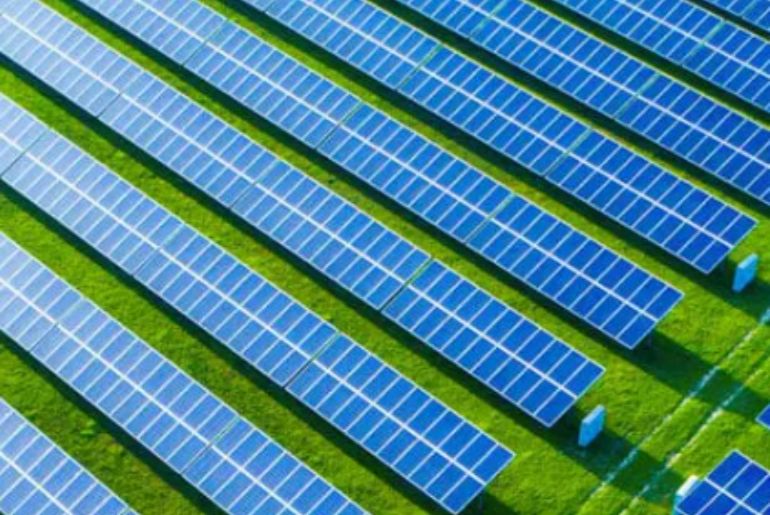
Juniper Green Energy has successfully commissioned 305 MW of renewable energy capacity in Gujarat, marking a significant milestone in the company’s growth and reinforcing the state’s leadership in India’s clean energy transition. The capacity has been developed under power purchase agreements (PPAs) signed with Gujarat Urja Vikas Nigam Limited, the state-owned power procurement company.
The newly commissioned projects are expected to contribute substantially to Gujarat’s renewable energy generation portfolio while supporting India’s ambitious target of expanding non-fossil fuel-based power capacity. The development underscores the growing momentum of utility-scale renewable energy deployment across the country.
With the addition of 305 MW, Juniper Green Energy continues to strengthen its position as one of India’s emerging renewable energy developers. The company has been actively expanding its portfolio across solar, wind, and hybrid energy projects to meet the rising demand for clean and reliable power from utilities and commercial consumers.
The projects commissioned under the GUVNL agreements will supply renewable electricity to the state grid, helping reduce dependence on conventional fossil fuel-based generation while supporting Gujarat’s energy security objectives. The capacity addition is also expected to contribute to lower carbon emissions and advance the state’s sustainability goals.
Gujarat remains one of India’s leading renewable energy destinations due to its favorable policy environment, strong transmission infrastructure, and abundant solar and wind resources. The state has attracted significant investments from both domestic and international developers and continues to play a crucial role in achieving India’s clean energy targets.
The commissioning of the 305 MW capacity highlights the increasing pace of renewable energy deployment in the country and reflects growing collaboration between developers and state utilities. As India accelerates its energy transition, large-scale projects such as these will be essential for meeting future electricity demand while ensuring sustainable economic growth.
 Electrify your feed! Click here to join our Whatsapp group and to get the latest updates, expert insights, and innovations driving India’s energy storage revolution.