The Chhattisgarh State Electricity Regulatory Commission (CSERC) has released the Resource Adequacy Regulations, 2026. These rules set up a structured long-term planning framework to make the power sector more reliable and help the state use more renewable energy.
The rules say that distribution companies (DISCOMs) must do multi-horizon planning, which includes long-term (10-year), medium-term (5-year), and short-term (1-year) resource planning to make sure there is enough power available and that future demand is met in the most efficient way possible.
Focus on demand forecasting and supply planning
Under the new framework, DISCOMs are required to carry out detailed demand forecasting and resource assessment, taking into account load growth, consumption trends, and system constraints. The regulations aim to ensure that utilities maintain an optimal balance between supply and demand, reducing the risk of power shortages.
The guidelines also emphasise the role of the State Load Despatch Centre (SLDC) in coordinating system operations and ensuring grid stability.
Renewable integration and storage take centre stage
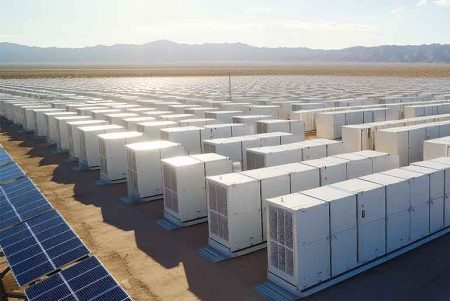
A big part of the rules is the strong focus on adding renewable energy sources to the grid. DISCOMs are encouraged to use energy storage systems like battery energy storage systems (BESS) and pumped storage to deal with intermittency and make the grid more flexible.
The framework also introduces the concept of capacity credit for renewable energy, enabling better planning and utilisation of clean energy resources.
Procurement mix and compliance requirements
The rules spell out a structured way for DISCOMs to buy power, requiring them to get a large part of their demand through long-term contracts while also balancing short- and medium-term purchases. The goal of this approach is to make sure that costs are kept low and supplies are always available.
Utilities must also submit periodic compliance reports and planning documents to the regulator, ensuring transparency and accountability in the planning process.
Strengthening power sector resilience
The notification reflects a broader push toward modernising India’s power sector by adopting integrated resource planning practices. The rules are meant to make the system more resilient and help the switch to a cleaner energy mix by making long-term planning work with renewable energy goals.
Chhattisgarh is one of a growing number of states that are using forward-looking frameworks to make sure that the power supply is reliable, sustainable, and efficient in the years to come.
 Electrify your feed! Click here to join our Whatsapp group and to get the latest updates, expert insights, and innovations driving India’s energy storage revolution.