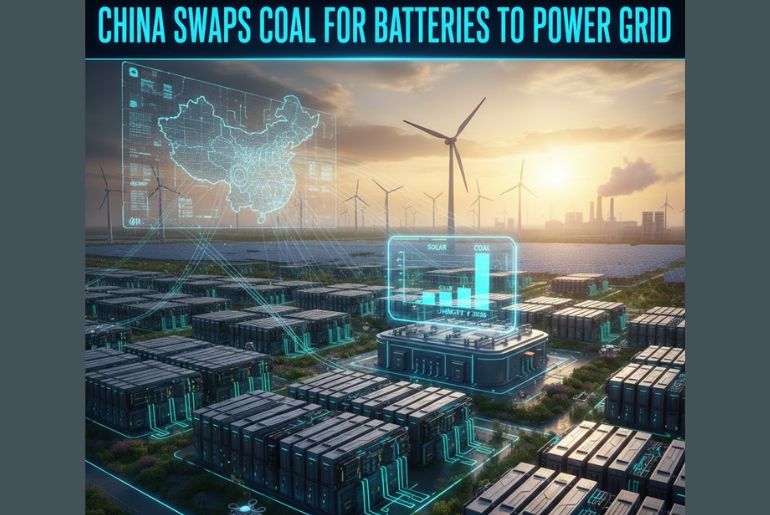
In a major shift for the world’s largest energy market, the Chinese government is rolling out a new “grid backup” policy that officially puts big batteries on the same playing field as coal.
For the first time, Beijing has ordered provinces to include large-scale battery storage in a national payment program. This program is designed to ensure the lights stay on during peak demand and to help the country move toward a greener future.
Why the Change?
China is currently building wind and solar farms faster than anywhere else on earth. However, the wind doesn’t always blow, and the sun doesn’t always shine. To prevent blackouts, the grid needs a way to “smooth out” these fluctuations.
The Old Way: Since 2023, China mostly paid its massive fleet of coal plants to sit ready as a backup.
The New Way: Under the new rules, batteries and other storage options, like pumped hydro, will now receive those same readiness payments.
A “Historic” Shift from Coal to Solar
This policy comes at a turning point. For the first time ever, China’s solar power capacity is expected to overtake coal capacity this year.
While coal still generates a huge portion of China’s actual electricity, its role is changing. Instead of being the main source of power, it is being moved to a “supporting role” acting as a backup for when renewables aren’t enough.
What Experts Are Saying
By creating a clear system to pay battery owners, the industry is entering a “new phase,” says Chen Haisheng of the China Energy Storage Alliance.
The policy will roll out in two steps:
Phase 1: Batteries and hydro start receiving subsidies alongside coal.
Phase 2: The market will open to full competition. Payments will be based on how reliable a source is, rather than just how big it is.
A Growing Giant
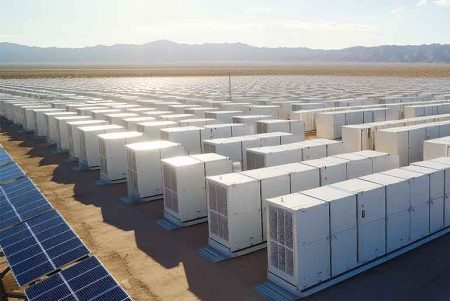
The battery sector in China is already exploding. In 2025 alone, the country installed 183 gigawatt-hours of energy storage – about 30% more than experts had predicted. With these new subsidies, that growth is expected to climb even higher, making batteries a central pillar of the Chinese economy.
 Electrify your feed! Click here to join our Whatsapp group and to get the latest updates, expert insights, and innovations driving India’s energy storage revolution.