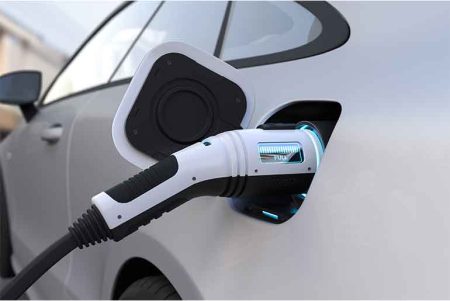
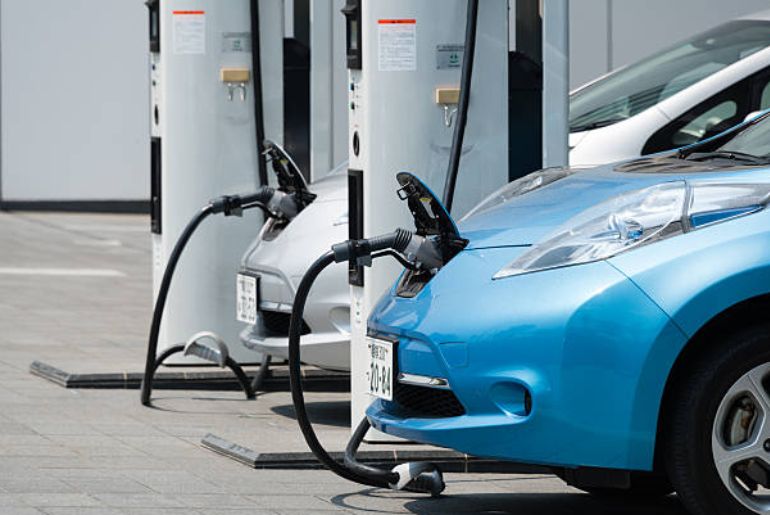
The Delhi government is getting ready to roll out Electric Vehicle (EV) Policy 2.0, which will include a plan for recycling electric vehicle batteries. The goal of this move is to keep track of the growing number of EV batteries in the city and make sure they are disposed of safely and reused as electric mobility grows.
The upcoming policy reflects Delhi’s effort to strengthen sustainable mobility while addressing environmental concerns linked to lithium-ion battery waste. With EV adoption rising rapidly, authorities believe it is important to establish a structured system that can safely collect, process, and recycle used batteries.
Dedicated System for Battery Recycling
The Delhi government plans to set up a formaal system just for recycling EV batteries under the new policy. The Delhi Pollution Control Committee (DPCC) is likely to be in charge of watching over and running this process. The agency will work with all the people involved to make sure that batteries are handled and recycled in a way that is safe for people and the environment.
More lithium-ion batteries are becoming useless because there are more electric cars in the capital. This is why this project is happening. If these batteries aren’t recycled correctly, they could harm the environment by polluting water and soil. Because of this, officials want to make sure that there are clear rules for how to collect, keep track of, and recycle batteries at places that are certified.
Policy Expected Soon
Delhi’s existing EV policy was originally launched in 2020 and has been extended multiple times while the government worked on a revised version. The new EV Policy 2.0 is expected to be unveiled during the upcoming budget session of the Delhi Assembly, which is scheduled to begin in the fourth week of March.
The updated policy is also expected to include measures to boost electric vehicle adoption, improve charging infrastructure, and create a more organised ecosystem for electric mobility in the city. By focusing on battery recycling, the government aims to ensure that the transition to EVs remains environmentally sustainable in the long term.
Supporting Sustainable Mobility
Officials think that setting up a separate battery recycling system will be very important for making Delhi’s electric vehicle (EV) ecosystem more responsible and circular. Recycling batteries the right way can help get valuable materials back and lessen the damage that throwing them away does to the environment.
Overall, the upcoming EV Policy 2.0 is expected to make Delhi more committed to clean transportation by dealing with both the rise of electric vehicles and the environmental problems that come with it. The government wants to make sure that the growth of electric mobility is safe, efficient, and long-lasting for the city’s future by setting up structured battery recycling systems and policies that help.
 Electrify your feed! Click here to join our Whatsapp group and to get the latest updates, expert insights, and innovations driving India’s energy storage revolution.