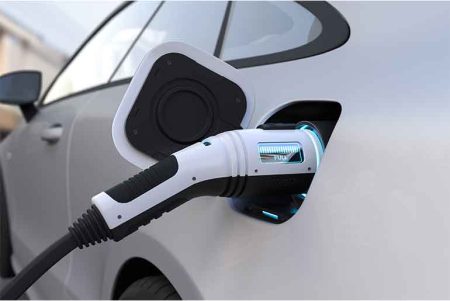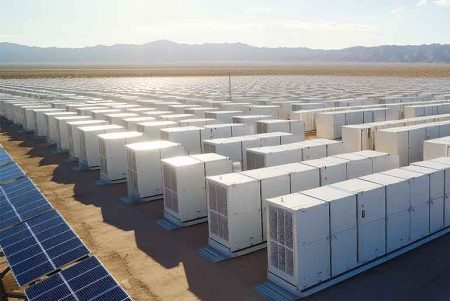
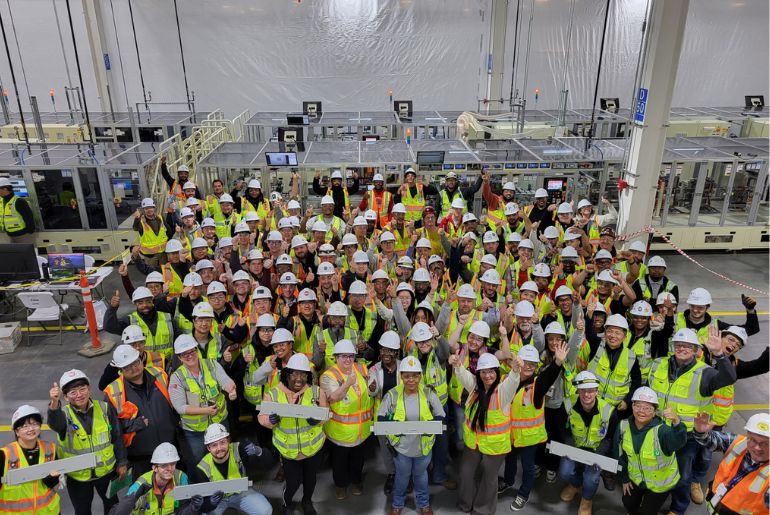
General Motors and its battery partner LG Energy Solution have decided to repurpose an electric vehicle (EV) battery plant in Tennessee. Instead of producing batteries only for EVs, the facility will now be used to manufacture batteries for energy storage systems, which are increasingly needed to store electricity from renewable sources and support power demand.
Through their joint venture, Ultium Cells, the companies are shifting focus due to slower growth in EV demand and rising opportunities in energy storage, making better use of existing manufacturing capacity.
GM and LG, through their joint venture Ultium Cells, will recall 700 laid-off workers to start production of lithium-iron phosphate batteries at the plant in the second quarter. Ultium in January laid off workers at the Tennessee plant and at another facility in Ohio through mid-2026 due to slower EV sales.
Battery producers are seeking solutions to address excess EV battery capacity, and energy storage is seen as a key option given the growing need for energy to support upcoming AI data centers.
LG has been transitioning some of its EV battery capacity to energy storage batteries, and some competitors, including SK On, are doing the same after policy shifts under U.S. President Donald Trump hurt EV demand.
GM has pulled back on some of its EV production, lowering its need for battery cells. As a result, GM sold its stake in a Michigan battery plant to LG, and construction on another plant with Samsung in Indiana has slowed.
“We don’t have enough demand to fill three factories,” in Industry updtate Kurt Kelty, GM’s vice president of battery, propulsion and sustainability, said.
Kelty added that, in the energy storage market, “right now, the demand exceeds supply tremendously, and it’s going to continue to exceed it for the next several years.”
 Electrify your feed! Click here to join our Whatsapp group and to get the latest updates, expert insights, and innovations driving India’s energy storage revolution.