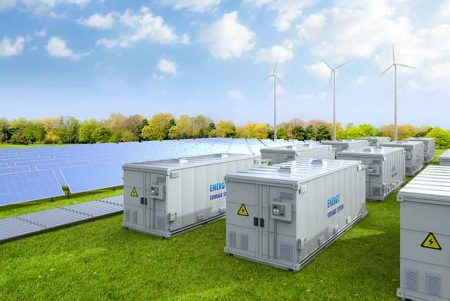
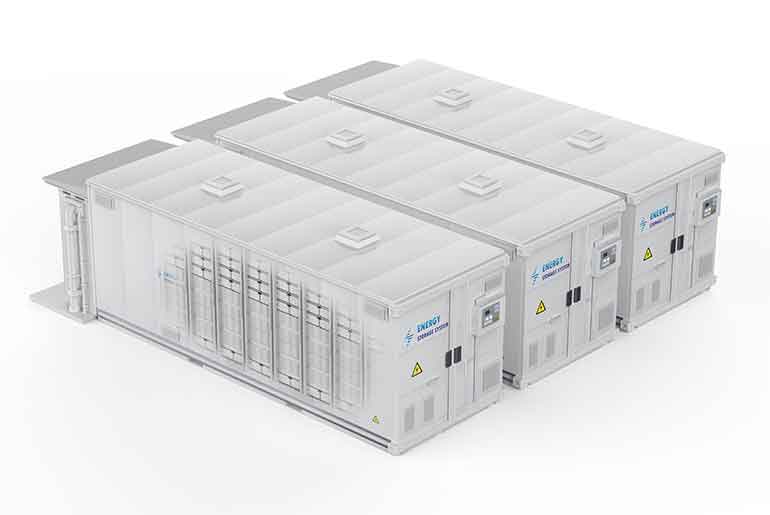
GK Energy Limited has secured a Letter of Award (LoA) from Maharashtra State Electricity Distribution Company Limited (MSEDCL) to establish a 150 MW/300 MWh Battery Energy Storage System (BESS) in Maharashtra. The project will be supported through the Viability Gap Funding (VGF) mechanism.
The company disclosed the award in a regulatory filing dated September 21, 2026, made under Regulation 30 of the SEBI (Listing Obligations and Disclosure Requirements) Regulations, 2015.
Under the contract, GK Energy will establish the 150 MW/300 MWh BESS project for MSEDCL. The project is structured as a one-time contract with recurring monthly revenues for 15 years from the commencement of commercial operations.
The disclosed tariff is ₹2,38,000 per MW per month, which is expected to generate annual revenue of ₹42.84 crore, excluding GST, over the 15-year revenue period.
The BESS project is required to be commissioned within 18 months from the date of signing the Battery Energy Storage Purchase Agreement (BESPA).
MSEDCL is a domestic entity, and the company stated that neither its promoters nor promoter group or group companies have any interest in the awarding entity. The company also confirmed that the contract does not constitute a related-party transaction.
The award further strengthens GK Energy’s presence in the growing battery energy storage sector and expands its portfolio of utility-scale energy storage projects. The 150 MW/300 MWh BESS project in Maharashtra is also expected to provide the company with a long-term revenue opportunity, while supporting the state’s increasing requirements for grid-scale energy storage and power system flexibility.
GK Energy Limited (formerly GK Energy Private Limited) is a Pune-based renewable energy company founded in 2008 that specializes as a pure-play engineering, procurement, and commissioning (EPC) provider for decentralized solar systems. It is notably India’s largest pure-play EPC provider under Component B of the PM-KUSUM (Pradhan Mantri Kisan Urja Suraksha Evam Utthaan Mahabhiyan) scheme, holding roughly 15% of total solar-powered agricultural pump installations under the initiative.
 Electrify your feed! Click here to join our Whatsapp group and to get the latest updates, expert insights, and innovations driving India’s energy storage revolution.