General Motors and LG Energy Solution are set to restart battery cell production at their Ultium Cells plant in northeast Ohio after a seven-month shutdown, with operations expected to resume next week.
The restart comes as GM prepares to adjust its battery manufacturing operations amid changing demand for electric vehicles. According to Tom Gallagher, vice president of operations at Ultium Cells, most of the workers who were laid off during the shutdown will return to the facility.
Around 1,400 employees are expected to be working at the plant once production resumes.
The facility halted battery cell manufacturing in January 2026, following weaker-than-expected consumer demand for electric vehicles. The restart represents a significant step in GM and LG Energy Solution’s efforts to realign their battery production capacity with EV market conditions.
Ultium Network Shifts Production
The Ohio facility is part of the broader Ultium Cells joint-venture network established by GM and LG Energy Solution to manufacture battery cells for GM’s electric vehicles.
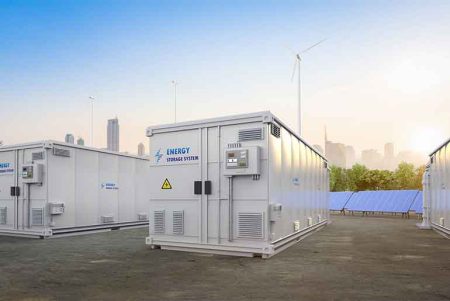
Meanwhile, the companies’ other joint-venture battery plant in Tennessee has shifted its focus from EV battery production to energy storage system (ESS) batteries.
The move reflects a broader trend among battery manufacturers to diversify production as demand across the EV and stationary energy storage markets evolves.
GM Reshapes Battery Partnerships
GM has also been restructuring its battery manufacturing partnerships.
Earlier this week, Samsung SDI acquired GM’s stake in a joint venture established to manufacture EV battery cells at a planned facility in Indiana. The transaction marks another change in GM’s battery manufacturing strategy as the automaker reassesses its EV investments and production requirements.
The restart of the Ohio plant, alongside the shift toward energy storage in Tennessee and the restructuring of its Indiana battery partnership, highlights the changing landscape of North American battery manufacturing.
For GM, maintaining flexible battery production capacity could help the company respond more effectively to changing EV demand while allowing its manufacturing network to serve emerging opportunities in the stationary energy storage market.
 Electrify your feed! Click here to join our Whatsapp group and to get the latest updates, expert insights, and innovations driving India’s energy storage revolution.