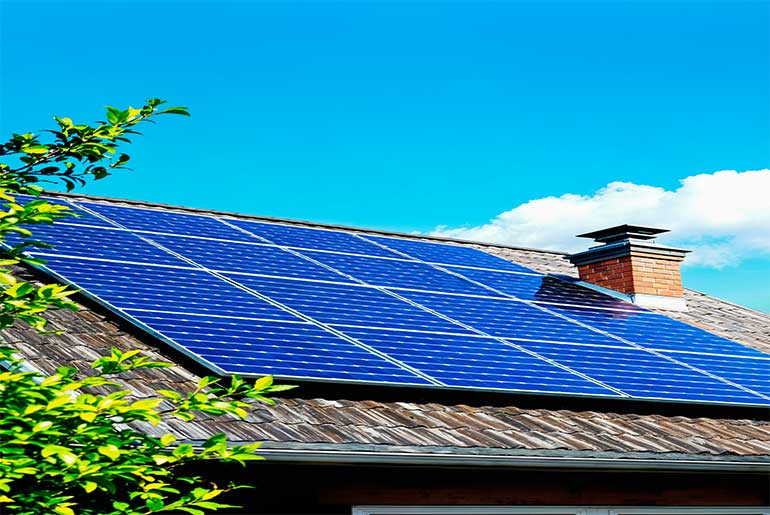
The Government of Goa has introduced a state-level subsidy scheme to encourage rooftop solar installations and accelerate the adoption of renewable energy across the state.
The scheme, implemented through the Goa Energy Development Agency (GEDA), came into effect on April 1, 2026, and will remain valid until March 31, 2028, subject to the scheme’s provisions.
The initiative is designed to reduce dependence on conventional electricity sources while encouraging consumers to generate clean power through rooftop solar installations. The additional state support could also help improve the economics of distributed solar projects for eligible consumers.
The scheme is available to consumers with a Permanent Consumer Account (CA) Number issued by Goa’s Department of Electricity. Eligible categories include residential consumers, Group Housing Societies (GHS), Resident Welfare Associations (RWAs), educational institutions, commercial and industrial establishments, non-governmental organisations (NGOs) and other qualifying entities.
Under the programme, the Goa government will provide financial assistance based on the benchmark costs prescribed by the Ministry of New and Renewable Energy (MNRE), as applicable under the PM Surya Ghar: Muft Bijli Yojana and subsequent amendments.
Importantly, the state subsidy will be provided in addition to the Central Financial Assistance (CFA) available under the PM Surya Ghar scheme. This creates an additional financial incentive for eligible consumers considering rooftop solar installations.
The state government expects the combined support to encourage wider deployment of rooftop solar systems across residential, institutional, commercial and industrial properties.
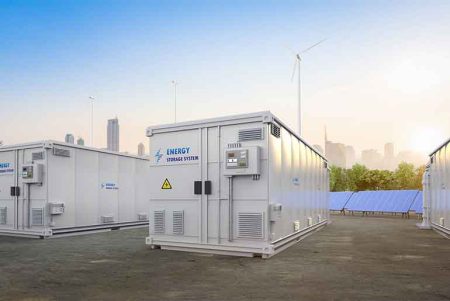
For the battery energy storage sector, the expansion of distributed solar could also create opportunities for behind-the-meter battery storage. Rooftop solar paired with battery energy storage systems (BESS) can allow consumers to store surplus generation and use it when solar output is unavailable, while potentially improving energy resilience and reducing dependence on grid electricity.
As rooftop solar adoption increases, the integration of storage could become increasingly relevant for managing solar intermittency and improving the utilization of locally generated renewable electricity.
The Goa government has encouraged eligible consumers to take advantage of the subsidy programme during its validity period and install rooftop solar systems to support the state’s clean energy transition.
 Electrify your feed! Click here to join our Whatsapp group and to get the latest updates, expert insights, and innovations driving India’s energy storage revolution.