Rajasthan has introduced a new digital platform to strengthen the monitoring of renewable energy projects across the state, with a focus on real-time generation data, subsidy tracking, and distributed energy resources.
The Rajasthan Renewable Energy Corporation Limited (RRECL) launched the Distributed Renewable Energy Project Monitoring Tool (DRE-PMT) on August 13, 2026. Energy Minister Heeralal Nagar officially launched the platform, which is designed to improve technology-driven oversight of Rajasthan’s expanding renewable energy ecosystem.
The DRE-PMT brings multiple monitoring functions together on a single platform. These include renewable energy project tracking, real-time generation monitoring and monitoring of subsidy and Direct Benefit Transfer (DBT) workflows.
The platform also supports monitoring of projects under the PM-KUSUM and PM Surya Ghar schemes, including rooftop solar installations. It provides DISCOM-level tracking of renewable energy projects and electricity generation, while also offering tools for vendor management and empanelment.
Centralised dashboards and data analytics are another key component of the platform. According to RRECL, these features are intended to improve transparency and operational efficiency while enabling authorities to make decisions based on real-time project and generation data.
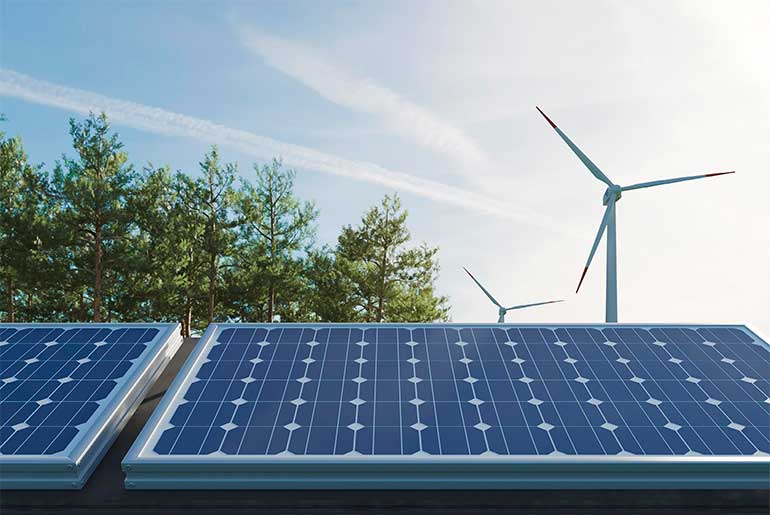
The digital system comes as Rajasthan continues to expand its renewable energy capacity and distributed generation infrastructure. Better monitoring of renewable assets is becoming increasingly important as the state integrates larger volumes of solar power and other variable renewable energy resources into its electricity network.
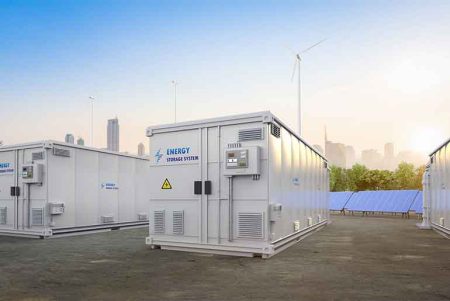
The state has also taken steps to support the integration of battery energy storage systems (BESS). Jaipur Vidyut Vitran Nigam Limited (JVVNL) has previously introduced provisions allowing hybrid inverters for rooftop solar systems, reflecting the growing role of energy storage in distributed power networks.
Battery storage is expected to become increasingly important for managing renewable energy intermittency, peak electricity demand and grid stability. Storage systems can also help improve power quality and enable greater utilization of electricity generated by rooftop solar installations.
By combining project monitoring, generation tracking and scheme-level data within a centralized digital platform, the DRE-PMT could provide Rajasthan with greater visibility into its distributed renewable energy assets and support more efficient integration of solar and battery storage technologies.
 Electrify your feed! Click here to join our Whatsapp group and to get the latest updates, expert insights, and innovations driving India’s energy storage revolution.