The Haryana Electricity Regulatory Commission (HERC) has told state power distribution companies to speed up the building of electric vehicle (EV) charging stations in major cities. They have also offered a 5% rebate to people who pay for their smart meters in advance.
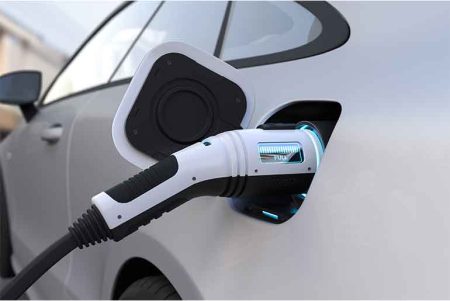
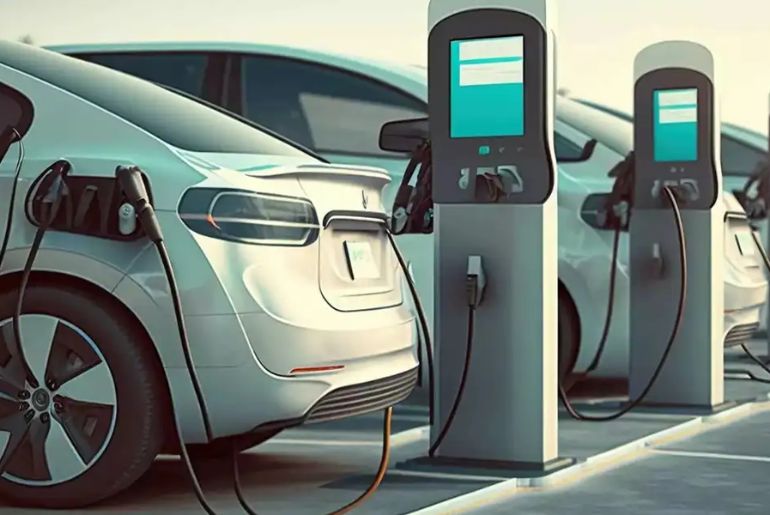
The move is part of a broader strategy to promote electric mobility and improve efficiency in the power distribution sector. Under the directive, discoms will set up EV charging stations in major urban centres including Panchkula, Faridabad, Panipat, Karnal, and Gurugram.
Expansion of EV Charging Infrastructure
The goal of the initiative is to improve Haryana’s EV ecosystem by making public charging stations more widely available. Discoms have been told to make it easier for charging stations to be set up more quickly by increasing network capacity and making connections faster.
To further accelerate rollout, utilities have been directed to provide electricity connections to public EV charging stations within a short timeframe, helping reduce delays in infrastructure development.
This step is expected to support the growing adoption of electric vehicles and contribute to cleaner transportation across the state.
5% Rebate for Prepaid Smart Meter Users
HERC has also approved a 5% rebate on both energy and fixed charges for consumers who use prepaid smart meters. This is similar to a measure that focuses on consumers.
The rebate is aimed at encouraging the adoption of smart metering systems, which improve billing efficiency, enhance transparency, and help consumers better manage their electricity consumption.
Policy Context and Sector Impact
The instructions come with the commission’s choice to keep electricity prices stable and instead focus on improving infrastructure and making operations more efficient. The goal of the combined measures is to find a balance between benefits for consumers and long-term growth in the sector.
By promoting EV charging infrastructure and incentivising smart meter adoption, the state aims to create a more sustainable and technology-driven power ecosystem.
The initiative reflects Haryana’s commitment to advancing electric mobility while enhancing consumer benefits and grid efficiency through targeted regulatory measures.
 Electrify your feed! Click here to join our Whatsapp group and to get the latest updates, expert insights, and innovations driving India’s energy storage revolution.